Batallas y acontecimientos que marcaron la historia mundial. Echa un vistazo a nuestra guía de sitios clave y eventos importantes que acontecieron en Noruega durante la Segunda Guerra Mundial, incluídas la batalla de Narvik, el hundimiento del Blücher en Oscarsborg y la misión de sabotaje del agua pesada de Rjukan.
Una guía de
escenarios de la Segunda Guerra Mundial
“Visitar escenarios de guerra cada vez es algo más popular. Recibimos muchas preguntas de gente que de pronto descubre que uno de sus antepasados participó o se vio afectado por la Segunda Guerra Mundial. Si bien se trata de un tema del que quizás no siempre ha sido fácil hablar, las nuevas generaciones sienten curiosidad; hacen preguntas y quieren respuestas”, comenta Ann Kristin Kristensen, que trabaja en el Centro de Guerra y Paz de Narvik.
El Centro de Guerra y Paz de Narvik es el centro ubicado más al norte de los siete que hay en Noruega dedicados a la paz y los derechos humanos. El centro gestiona el Museo de Guerra de Narvik, donde podrás descubrir qué ocurrió en la batalla de Narvik durante la Segunda Guerra Mundial.
“Hay muchos tipos de escenarios de la guerra. Algunos son puntos donde se dieron enfrentamientos, y otros son lugares donde podrás encontrar monumentos conmemorativos. En Narvik tenemos muchos monumentos que marcan diversos aspectos de la guerra, y estos parecen despertar el interés de muchas personas. El cementerio local y el campo de aprisionamiento de Beisfjord son dos lugares importantes para muchas personas”, explica Ann Kristin.
La batalla de Narvik
En la primavera de 1940, tanto Alemania como las fuerzas aliadas enviaron barcos, aviones y soldados a Narvik. Esta pequeña localidad, ubicada en el tramo más profundo del fiordo de Ofotfjord, se convirtió, junto a sus alrededores, en la zona en la que tuvieron lugar las mayores batallas de la guerra en territorio noruego, de las que participaron también soldados noruegos.
Tomar el control del puerto de Narvik era fundamental tanto para los alemanes como para los aliados, pues aseguraba el acceso al hierro proveniente de Suecia, necesario para la producción de armamento y materiales.
Durante 62 días, los soldados de Noruega, Gran Bretaña, Francia y Polonia lucharon contra los alemanes, tanto en batallas navales como en las montañas de los alrededores de Narvik. Los noruegos y las fuerzas aliadas finalmente consiguieron retomar el control de la ciudad y hacer retroceder a los alemanes, lo cual supuso la primera derrota estratégica de Hitler.
Tras esto, los nazis, en un acto de venganza y con el objetivo de impedir que los aliados se beneficiaran de las infrastructuras que permitían el tránsito de cargamentos, regresaron a Narvik en bombarderos y redujeron la ciudad a los cimientos. Una vez los aliados se retiraron, los alemanes volvieron a Narvik. El pueblo noruego acabó rindiéndose y Narvik quedó bajo el control de los alemanes hasta la liberación de 1945.
Narvik supuso un importante capítulo en la historia de la Segunda Guerra Mundial para todos los países implicados. En consecuencia, el nombre de la ciudad ha quedado plasmado en calles y colegios de Polonia, Reino Unido y Francia.
La nueva película sobre la batalla de Narvik
Se han hecho muchas películas sobre la Segunda Guerra Mundial. Sin embargo, recientemente también han sacado una película sobre la batalla de Narvik.
Kampen om Narvik – Hitlers første nederlag ("La batalla de Narvik: La primera derrota de Hitler") se estrenó en cines el 25 de diciembre de 2022 y, desde su llegada a Netflix, se ha convertido en una de las películas más vistas de la plataforma.
La trama se centra en torno a la historia del joven cabo Gunnar Tofte, interpretado por Carl Martin Eggesbø, y su mujer, la doncella Ingrid Tofte, interpretada por Kristine Hartgen.
La película se grabó en Narvik, Rjukan y Oslo, e incluye además una escena en Norddalsbrua, a las afueras de Narvik:
Escenarios de la Segunda Guerra Mundial cerca de Narvik
Hay muchos escenarios y remanentes de batallas de la Segunda Guerra Mundial en Narvik y sus alrededores.
En el Museo de Guerra de Narvik, podrás descubrir qué ocurrió exactamente durante aquel oscuro capítulo de 1940. El museo también ofrece experiencias adaptadas para los más pequeños.
El paisaje histórico de la Segunda Guerra Mundial comprende una serie de monumentos erigidos entre Narvik y Bardufoss en conmemoración de aquellos trágicos acontecimientos.
En Bjørnfjell, podrás explorar varios de los escenarios más importantes en una visita guiada para conocer la historia de la Segunda Guerra Mundial. Descubre como la línea ferroviaria de Ofotbanen tuvo un papel fundamental en el transporte de hierro, camina por la histórica carretera de Rallarveien y visita el increíble puente de Norddalsbrua, donde se rodaron algunas de las escenas más importantes de Kampen om Narvik.
A continuación te mostramos varias rutas interesantes, escenarios de la Segunda Guerra Mundial y museos que puedes visitar por la zona.


¡Descubre más lugares históricos!
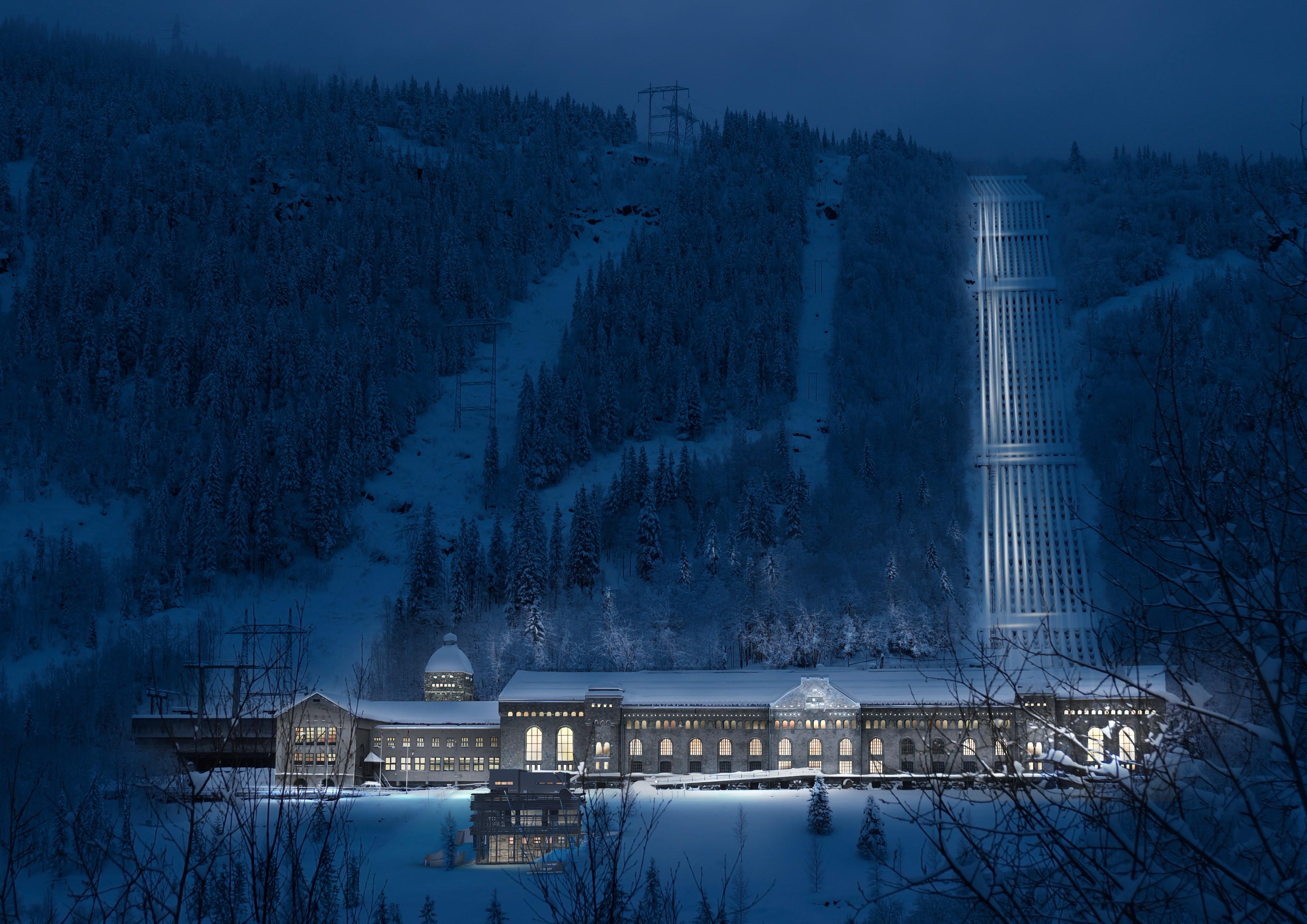
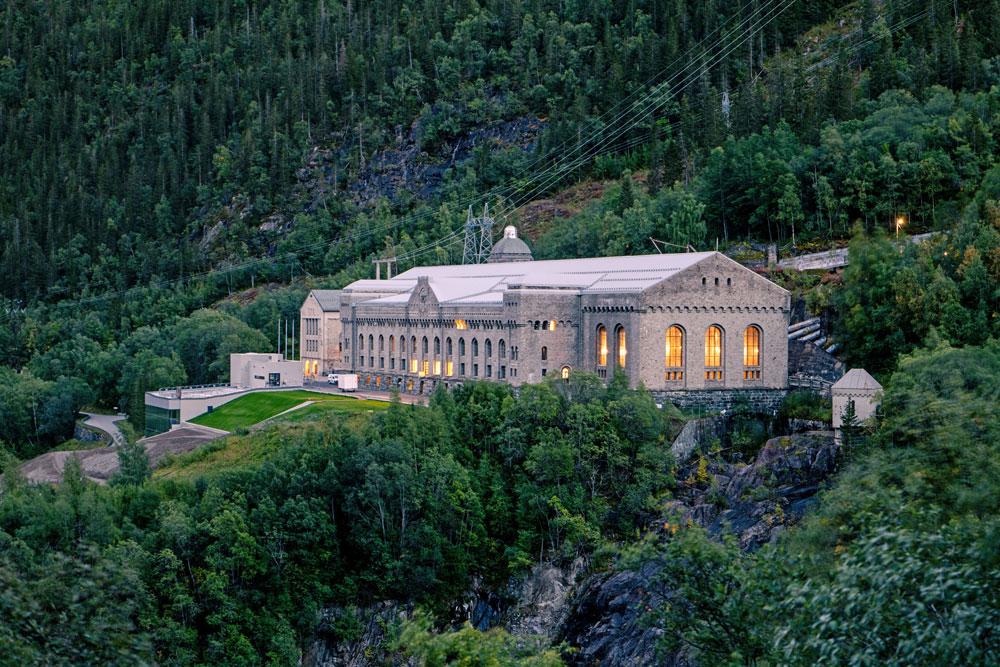
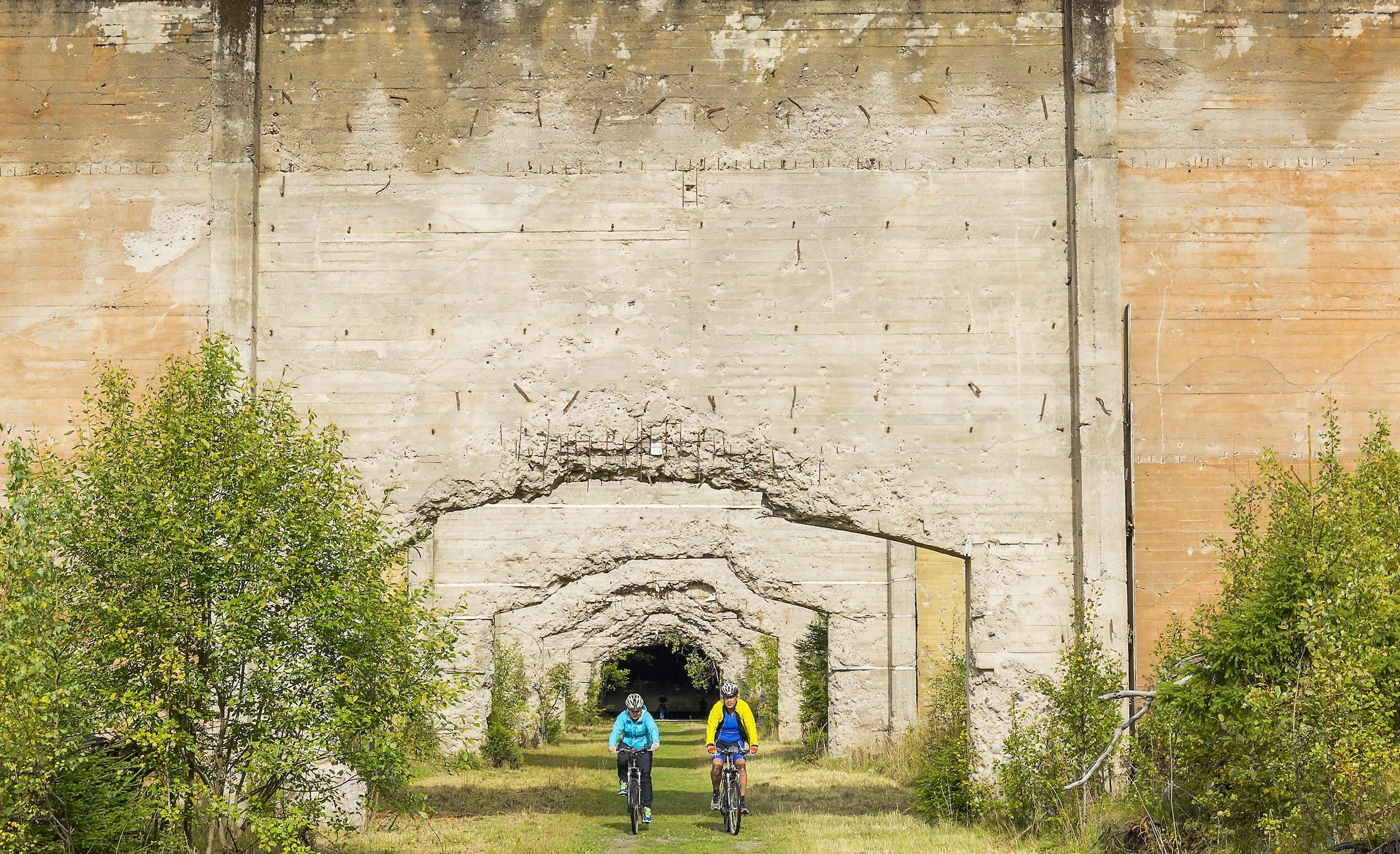
Puedes visitar escenarios de la Segunda Guerra Mundial en muchos puntos de Noruega, como Vemork, en Rjukan (foto).
Estos son algunos de los que no te puedes perder:
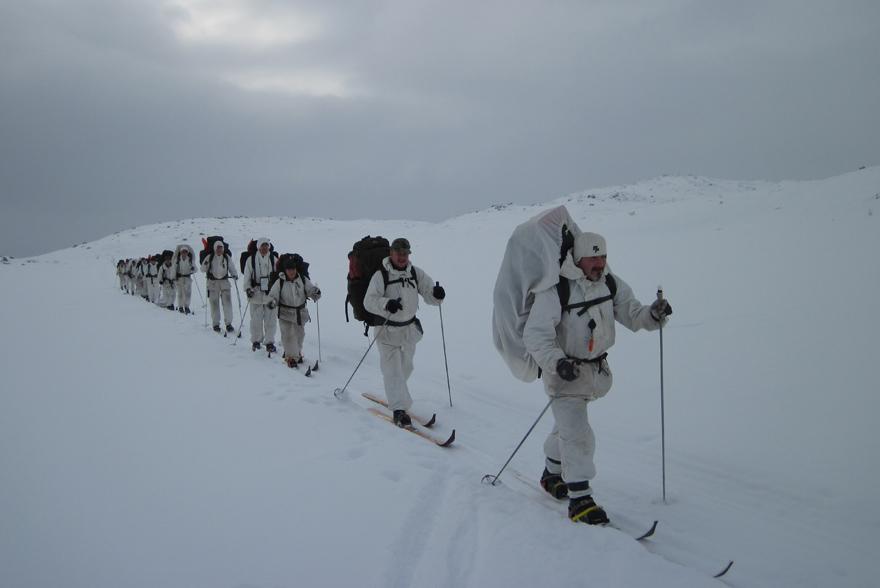
1. El sótano del agua pesada de Rjukan
Durante la Segunda Guerra Mundial, la localidad de Rjukan presenció la batalla por el agua pesada de Vemork, la mayor central eléctrica de Noruega. Los alemanes querían usar el agua pesada para construir una bomba atómica. Sin embargo, gracias a cuatro misiones de sabotaje, sus intentos se vieron frustrados.
En la actualidad, esta antigua central eléctrica, que posteriormente fue reformada y rehabilitada, opera como Museo de los Trabajadores Industriales Noruegos. La exposición de los Héroes de Telemark representa las cuatro misiones de sabotaje, entre otras cosas.
En otoño de 2017 se inició un proyecto de excavación en Vemork y el agua pesada del sótano resultó seguir intacta. Es posible realizar una visita guiada exclusiva por el sótano de agua pesada, en el que además acaba de abrir un museo.
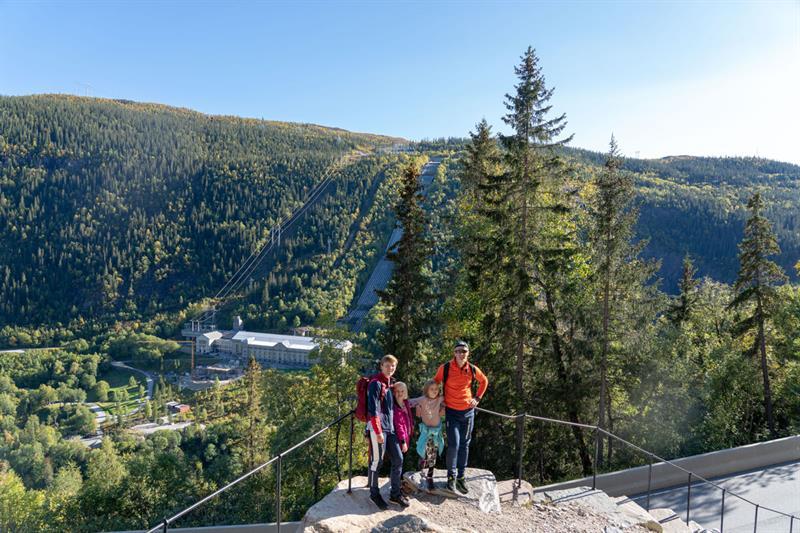
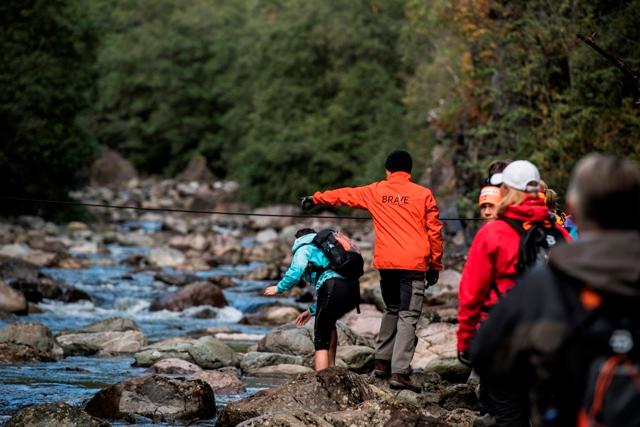
Anímate a hacer la ruta del sabotaje y descubre más sobre Vemork:
 Rjukan
Exhibition at Vemork " The heavy water saboteurs "
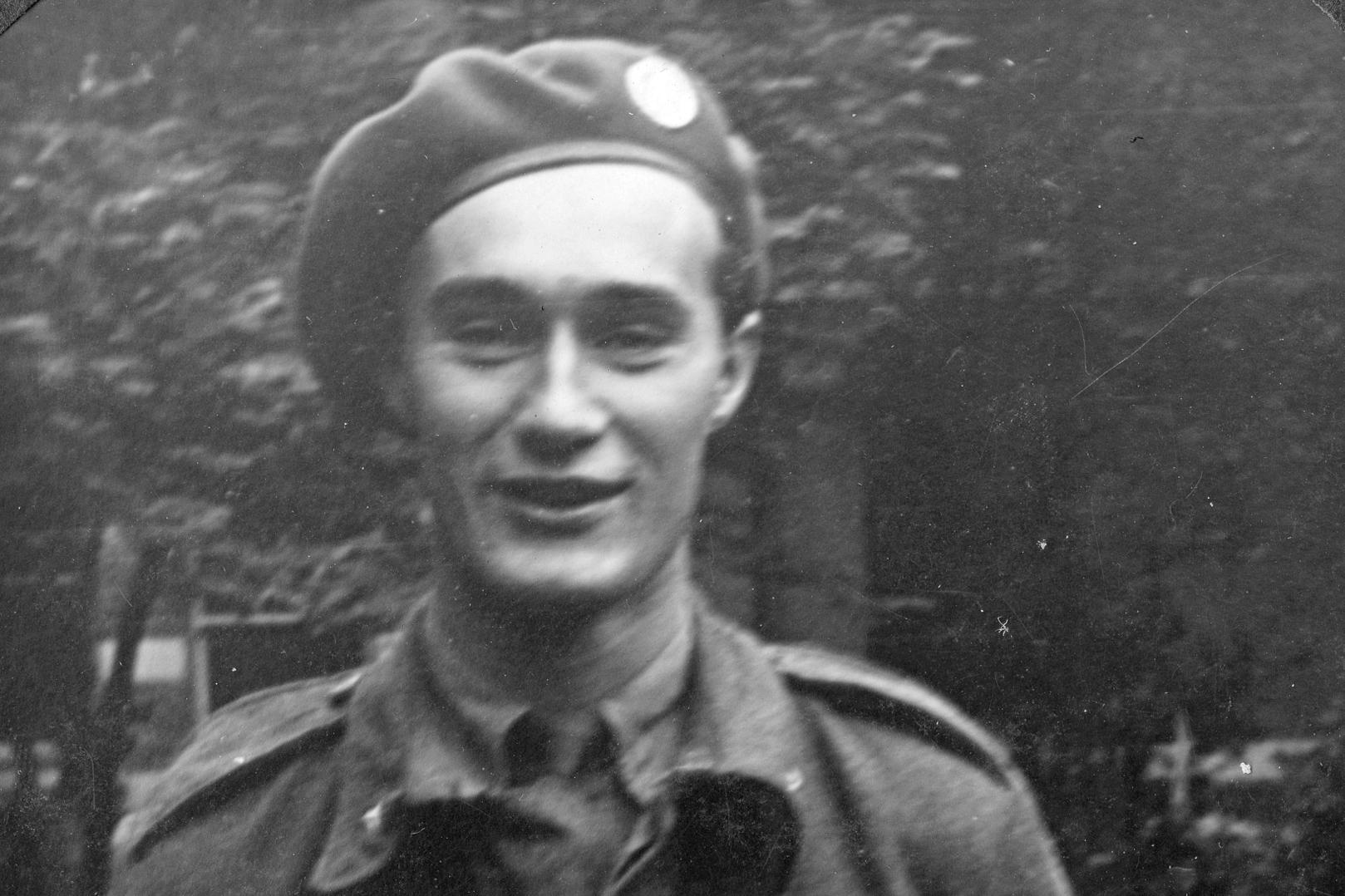
The exhibition presents the 11 saboters who participated in the action, what role and military degree they had and what they did after the action. It will be placed in Café Vemork and the audience will be able to experience the saboteurs close by. Operation Gunnerside was a success. Under the leadership of fJoachim Rønneberg, the sabotagers managed to sneak into the heavy water fabric and blow out the heavy water system. The sabotage who carried out the action on the night of February 28 left without being detected by German guards. No one was hurt and no life was lost. This action is one of the most famous sabotage actions of World War II.
2. La fortaleza de Oscarsborg
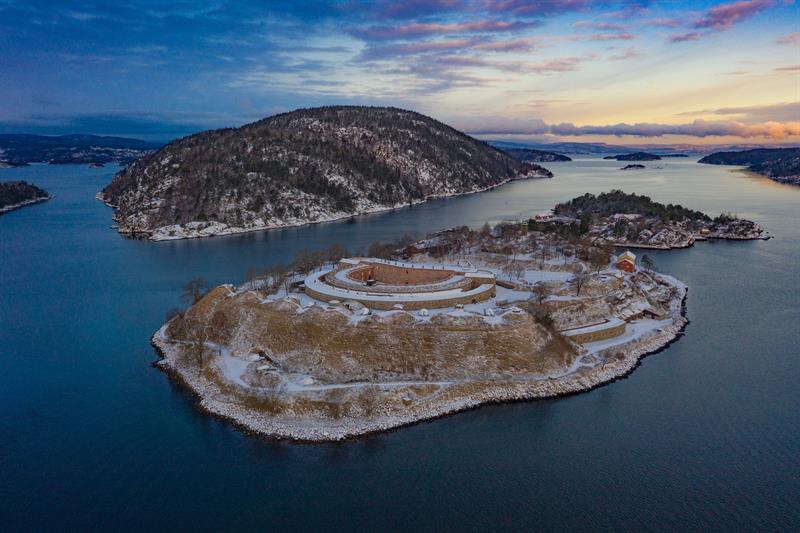
La fortaleza de Oscarsborg se encuentra en medio del seno de Drøbaksundet. En abril de 1940, la fortaleza contuvo el ataque de los alemanes en Oslo al hundir el Blücher, el segundo mayor buque de la flota nazi. El hundimiento fue un acontecimiento fundamental para garantizar la evacuación del rey, el parlamento y los miembros del gobierno.
En el Museo de Oscarsborg podrás descubrir más sobre la historia de la fortaleza a través de exposiciones temáticas y visitas guiadas.
Podrás llegar a la fortaleza cogiendo un ferri en Drøbak. El ferri opera durante todo el año y la travesía dura unos diez minutos.
3. La batalla de Gudbrandsdalen
En abril de 1940, Kvam, en Gudbrandsdalen, se vio en el foco de la batalla más encarnizada del sur de Noruega. Tanto las fuerzas noruegas como las británicas se unieron para combatir contra los soldados alemanes en esta pequeña localidad, y alrededor de 70 casas y edificios fueron pasto de las llamas, incluída la iglesia de Kvam.
La batalla de Kvam dio lugar al Museo de la Batalla de Gudbrandsdal, que abrió en 1995. El parque de la paz de Kvam se encuentra junto al museo, y él encontrarás un monumento a los caídos durante la Segunda Guerra Mundial.
4. Altmark, en Jøssingfjord
La localidad de Jøssingfjord, en Rogaland, es famosa por los acontecimientos que sucedieron en febrero de 1940.
El buque alemán Altmark se encontraba atravesando aguas noruegas en su regreso a Alemania con varios cientos de prisioneros de guerra británicos a bordo, escoltado por un lanzatorpedos noruego. Casualmente los británicos se toparon con el barco, lo que dio lugar al comienzo de una batalla en la que murieron varios alemanes y se rescató a los prisioneros británicos.
5. Fuertes en la costa
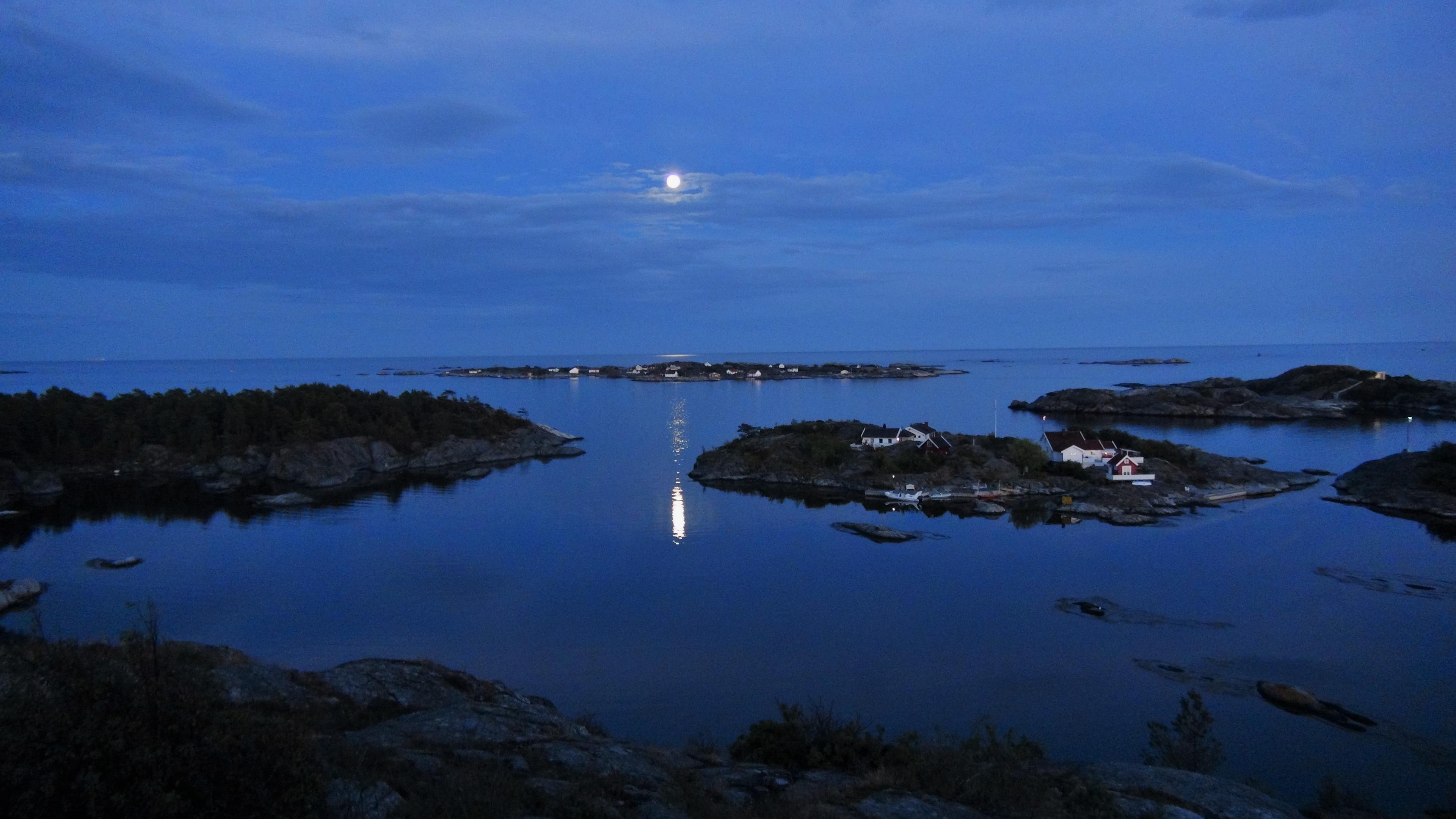
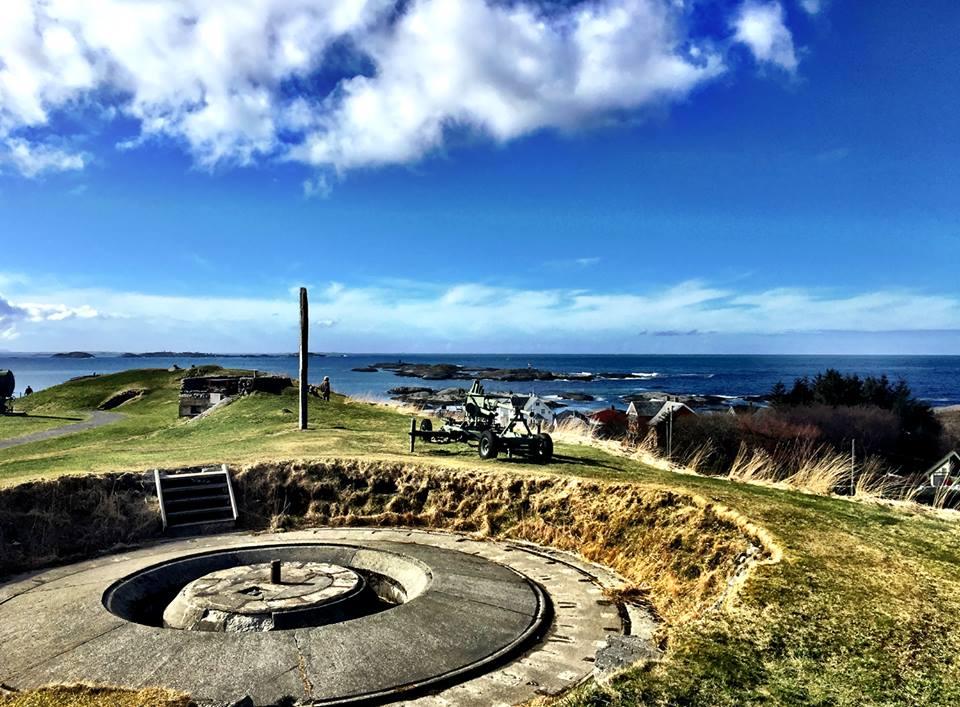
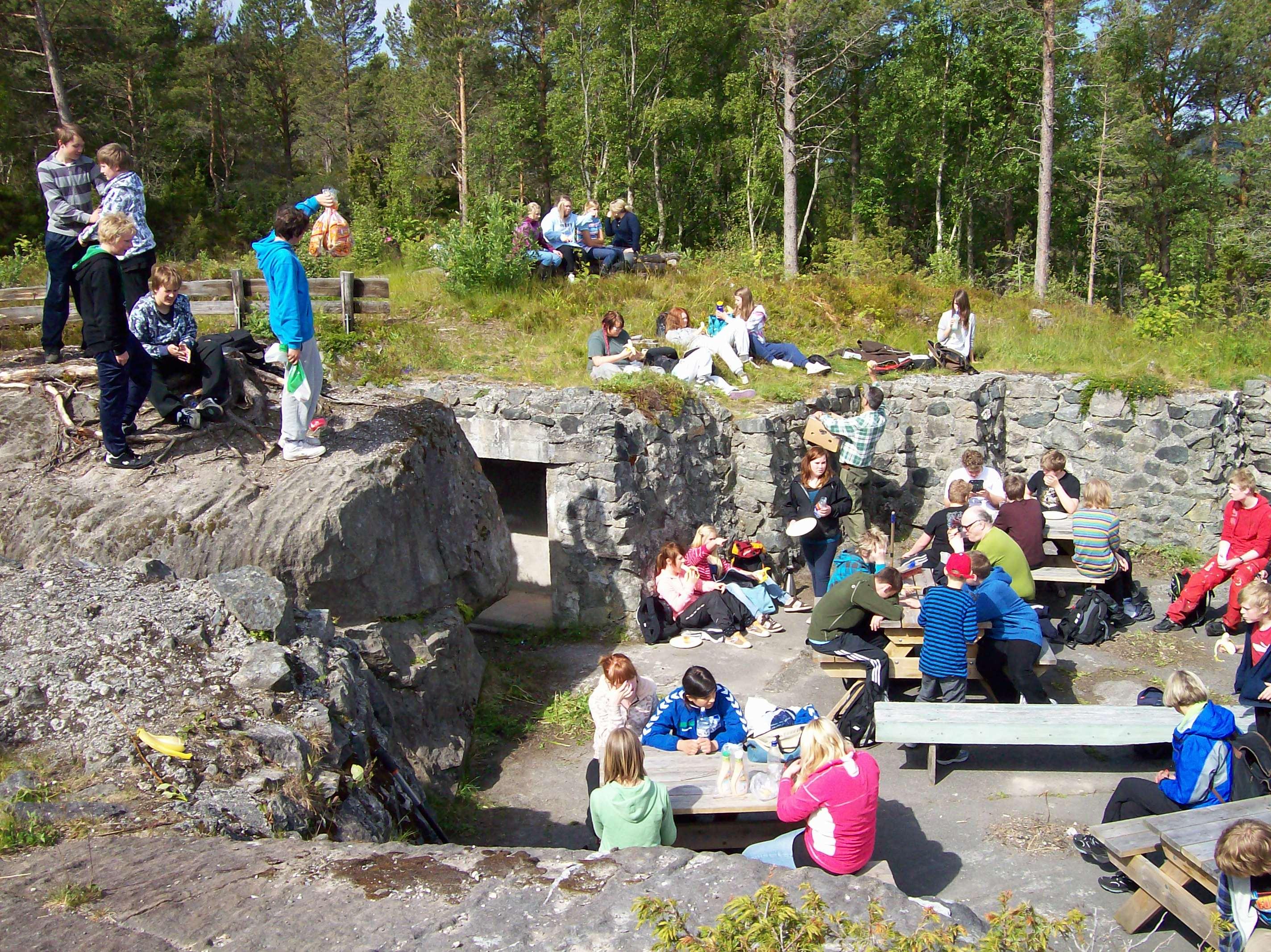
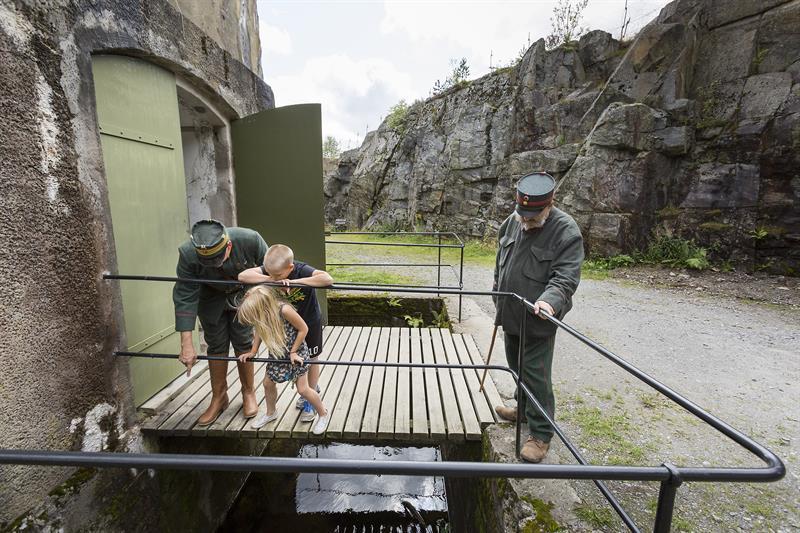
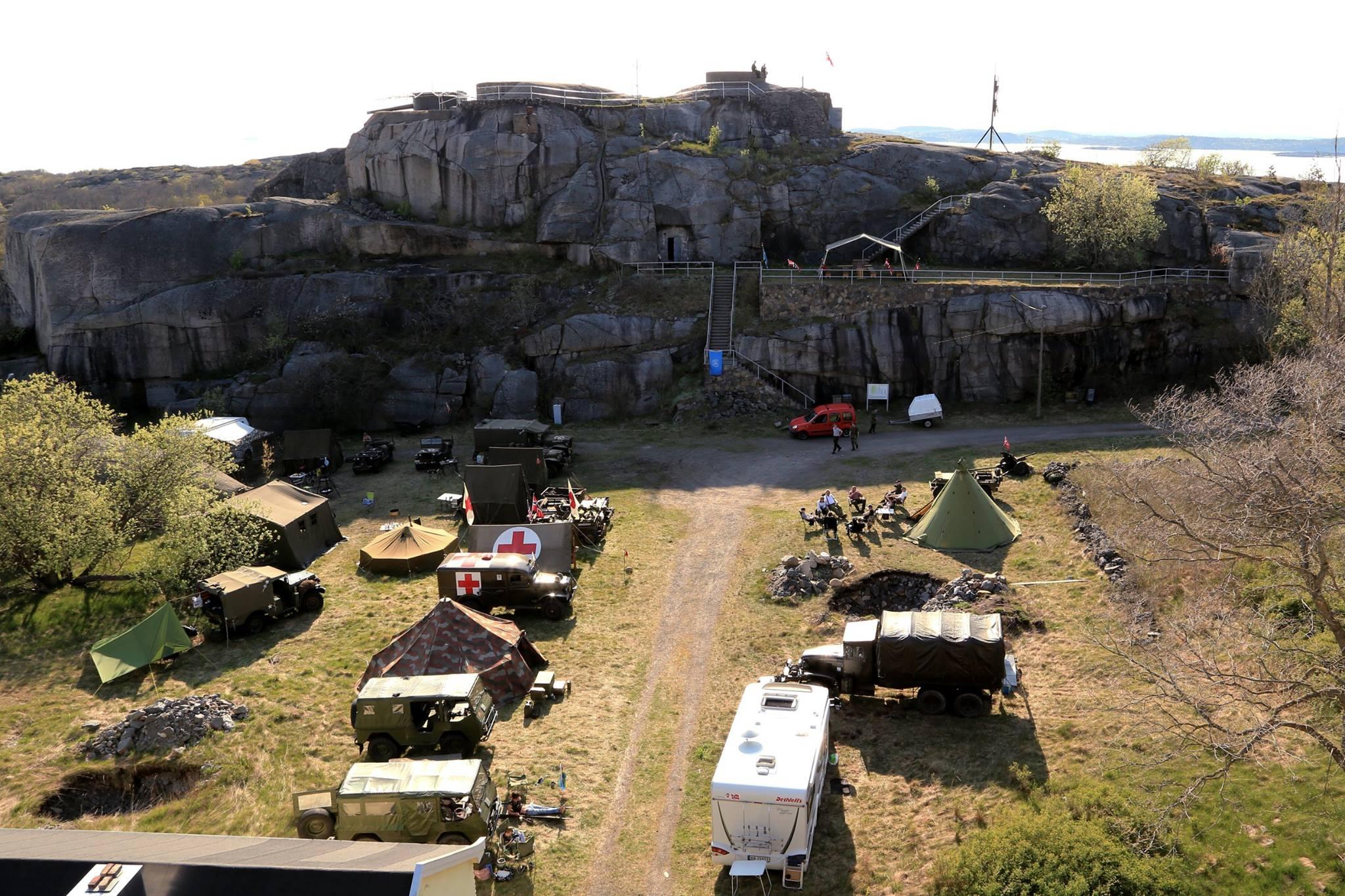
A lo largo de la costa podrás encontrar un gran número de fuertes que se construyeron durante la Segunda Guerra Mundial. Muchos de ellos ofrecen visitas guiadas en verano, si bien es también posible explorarlos por tu cuenta.
Descubre fuertes de la Segunda Guerra Mundial:
 Kragerø
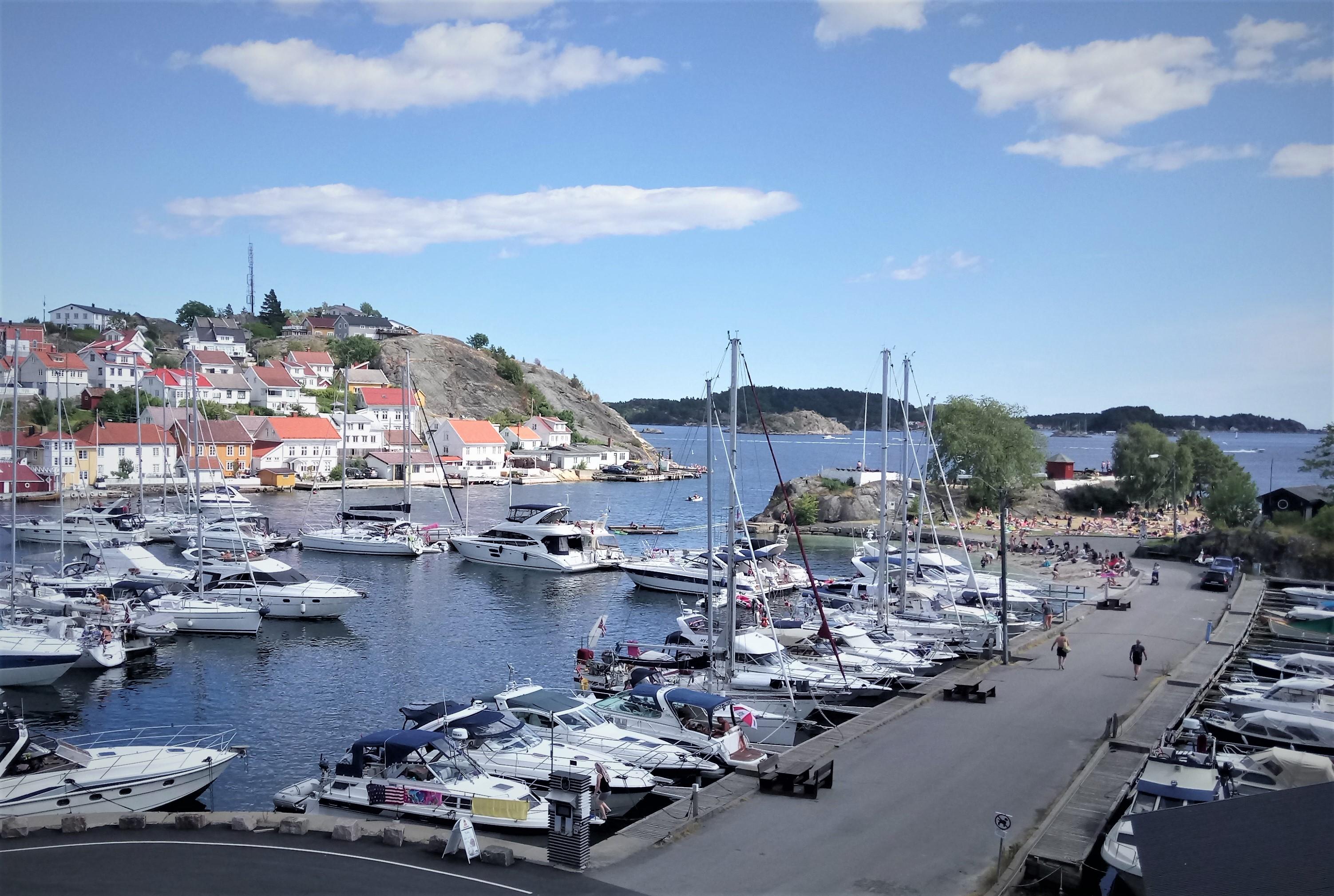
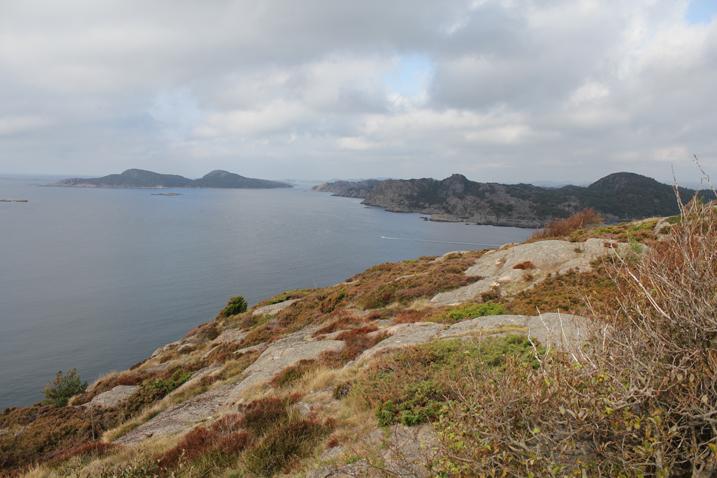
Gunnarsholmen Fortress / Recreational area
Gunnarsholmen is located a just short walk from the town center and was originally an old coastal fort which protected Kragerø in the 18th and 19th century when warships and pirates threatened the city. Today it is an open area with a nice sand beach and a salt water swimmingpool for kids.

6. Campos de prisioneros en Noruega
Durante la Segunda Guerra Mundial se abrieron varios campos de prisioneros en Noruega. Grini fue el más grande de ellos. En total, en Grini se aprisionó a unas 20000 personas. La mayoría de ellas noruegas, pero también a muchas de Polonia, Francia y la antigua Unión Soviética.
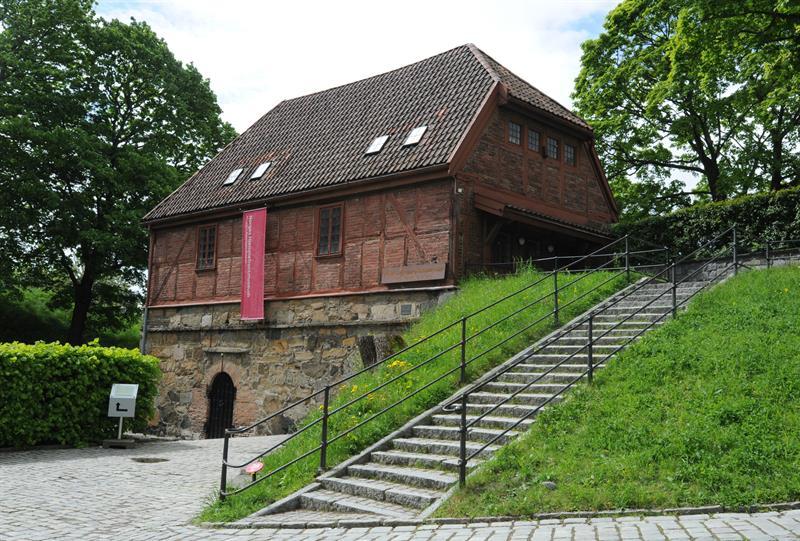
En la actualidad, una de las antiguas barracas del campo alberga el Museo de Grini. En él podrás investigar sobre temas como detenciones, guardias y mensajes clandestinos, y descubrir fotografías y objetos de la época.
El campo de prisioneros de Falstad estaba situado en Nord-Trøndelag. Allí se aprisionó a más de 4200 personas durante la Segunda Guerra Mundial. La mayoría de los prisioneros provenían de Noruega, pero también había rusos, yugoslavos, daneses y polacos.
En la actualidad, los antiguos edificios de la prisión forman parte del Centro Falstad, uno de los siete centros noruegos dedicados a la paz y los derechos humanos. Se trata de un lugar que no solo rinde homenaje a las víctimas, sino que también ejerce de centro nacional que conmemora la historia de los prisioneros de la Segunda Guerra Mundial y los derechos humanos. En el bosque de Falstadskogen, a dos minutos del centro, encontrarás el Arkbusering, un monumento conmemorativo creado por el escultor noruego Odd Hilt, que en aquella época fue prisionero en Falstad.
Descubre más sobre la historia de Falstad:
 Ekne
EkneThe Falstad Forest - a memorial from WWII
Falstad Forest - Execution Site and Memorial Amidst the lush Falstad Forest, small stone pyramids emerge among the grass and bushes, serving as memorials to the horrifying events that took place there during World War II. It is estimated that over 200 prisoners of war were executed in Falstad Forest, although there is uncertainty regarding the exact number and identities. After the war, from the summer of 1945 to 1953, Norwegian authorities conducted several exhumations. Those who were recovered were given a proper burial in regular cemeteries elsewhere in Norway or in memorial cemeteries. Today, Falstad Forest is a place to remember the horrors of war, contemplate the hustle and bustle of everyday life, and take a moment of silence to appreciate how well-off we are in Norway today... The "Arkebusering" Memorial Just a 2-minute drive from the Falstad Center, you'll reach Falstad Forest with the "Arkebusering" (Execution) memorial by Odd Hilt. Odd Hilt was a former prisoner at Falstad who managed to escape to Sweden. The monument portrays three prisoners with distinct facial expressions and individual ways of resisting the anonymous, faceless war machinery hidden behind helmets and rifles. Hiking Trail from the Falstad Center You can also walk from the Falstad Center to Falstad Forest via a trail that spans approximately 2 km and runs alongside a small river. Along the way, you'll cross 22 bridges. Ekne
EkneFalstadsenteret - museum and war memorial
The Falstadsenteret in Levanger is a museum, war memorial and national human rights centre for the education and documentation of the history of imprisonment during the Second World War, humanitarian international law, and human rights. In addition to permanent and temproary exhibitions, there is a huge collection of photos from the from WW II and the initial period after the liberation. The Falstad Centre is located in buildings that once formed the SS Strafgefangenenlager Falstad. Today, you can learn about and reflect upon the harrowing history contained within Falstad, as well as learn more about human rights. At any time, you can visit various exhibitions, the library, and the centre's museum shop which offers books and other items. You will certainly not leave Falstad unaffected. This visit puts your own life and daily routine into perspective! DIGITAL "GUIDED" TOUR Not all the buildings from the historical prison camp still exist. Therefore, the Falstad Centre has created a digital reconstruction of the camp as it appeared in 1945. Using provided tablets, visitors can experience a unique perspective on history by wandering through the former camp landscape. The virtual tour features numerous eyewitness accounts and other historical materials from the war. This experience is available in Norwegian, English, Russian, and German. EXHIBITIONS "Face to face" ("Ansikt til ansikt") The permanent exhibition "face to face" in the main builing deals with the history of Falstad prison camp (SS Strafgefangenenlager Falstad) during World War II. The story, the fate of the prisoners, and the genocide are conveyed through photographs, texts, interviews, historical artefacts and video clips. It also provides a comprehensive representation of the rise of Nazism, the Holocaust and the Nazi camp system. Furthermore, the exhibition also shows how World War II impacted later periods through the establishment of the UN and the emergence of modern human rights. TEMPORARY EXHIBITIONS Several changing exhibitions are displayed annually on the ground floor – including borrowed and self-produced exhibitions, art exhibitions, and historical exhibitions, thematically linked to Falstad as a place and to the centre's field of expertise: the history of war prisoners, memory culture, and human rights. Summer Exhibitions 2024 (22 June - 11 August) "Løvnes Meets Hilt": This summer's art exhibition focuses on human dignity and solidarity, featuring portraits drawn by Odd Hilt during his captivity in 1941-42, combined with new works by the renowned artist Håvard Løvnes. "The Birch Tree": For over 100 years, the birch tree stood in the courtyard of Falstad as a silent witness to changing times. In autumn 2023, this symbolic tree had to be felled. This exhibition presents historical sources showing the birch tree from the 1920s to the present day. THE SCULPTURE RE-REMEMBERING Re-Rembering by artist Tore Reisch is displayed In the courtyard. Through this wooden sculpture, Reisch raises questions about whether traumatic events and personal experiences from captivity and deprivation of freedom can be transmitted to new generations. CARD INDEX An open card index contains three thousand cards with the names of prisoners who were held here at some point. These are copies of the actual documents found here (the originals are preserved by the National Archives). Each card includes information such as name, reason for arrest, duration of captivity, and what happened to them after they were sent from here – if they made it out of here alive. COMMANDANT'S RESIDENCE (KOMMANDANTBOLIGEN) The commandant's residence was built by prisoners for the German camp leadership in 1943. Today, the building is used as exhibition space and classrooms for school groups. Faces of Power (Maktens ansikter) In the basement of the commandant's residence, you will find the permanent exhibition "Faces of Power," which stimulates reflection and conversation about power and the perpetrators of war. Every summer, there is also an exhibition on the first floor of the commandant's residence. The exhibition and theme change from year to year. THE FALSTAD FOREST - WAR MEMORIAL 2 minutes by car from Falstadsenteret you arrive at the Falstad Forest with the memorial "Arkbusering" by Odd Hilt. Odd Hilt himself was a prisoner at Falstad and managed to escape to Sweden. The monument shows 3 prisoners with distinct facial features and distinct individual way of behavious up against the anonymous, unassuming war machine hidden behind helmets and rifles. Executions It is believed that over 200 people were executed here in the forest, but there is an uncertainty related to the number and identity. After the war, from the summer of 1945 to 1953, the Norwegian authorities have conducted several excavations here. They have given those who have been found a grave in ordinary cemeteries elsewhere in Norway or in honor cemeteries.
7. Placas conmemorativas: Stolpersteine
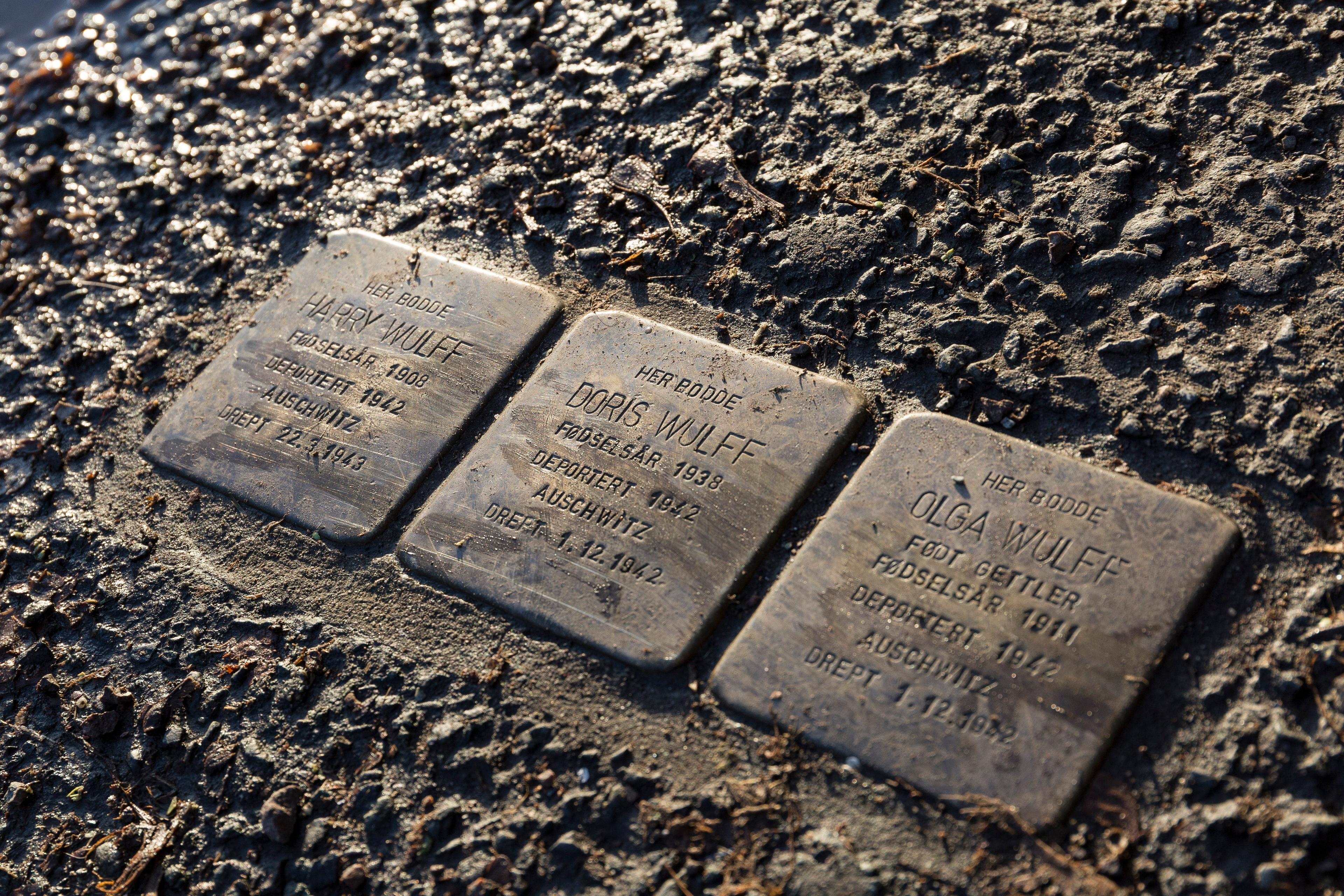
Son 26 los países europeos en los que podrás encontrar Las Stolpersteine, o “rocas que te hacen tropezar”, son pequeños monumentos conmemorativos en forma de adoquines que se colocan junto a los lugares en que vivían o trabajaban los judíos y otras víctimas de los nazis en el momento en el que fueron deportados y asesinados. El proyecto lo inició en 1993 el artista alemán Gunter Demnig y el Museo Judío de Oslo lo trajo a Noruega.
Podrás encontrar varios de estos monumentos por todo el país, desde Berlevåg y Hammerfest en el norte, hasta Ogna, a las afueras de Egersund, en el sur. Cada uno de ellos lleva grabado, en una placa de latón, el nombre, año de nacimiento, año de deportación y lugar y fecha de la muerte de la víctima.
Dónde encontrar Stolpersteine en Noruega:
 Oslo
OsloStolpersteine: memorial cobblestones
Piedras conmemorativas dedicadas a las víctimas del Nazismo durante la Segunda Guerra Mundial, colocadas en las aceras en los lugares en que vivieron judíos y otras víctimas del Nazismo hasta su deportación y asesinato. Cada uno de estas piedras conmemorativas representa una sola persona, y está recubierta con una placa de bronce grabada con su nombre, su año de nacimiento, el de deportación, y la fecha y el lugar de su fallecimiento. En noviembre de 2017 habían en Oslo 236 de tales piedras. En snublestein.no puedes verse dónde se encuentran las piedras conmemorativas en Oslo. Aquí también encontrarás información sobre todas las personas por las que se ha colocado una piedra en Noruega. Acerca del proyecto de piedras conmemorativas El proyecto de las piedras conmemorativasfue iniciado por el artista alemán Gunter Demnig en 1994, cuando colocó la primera en Colonia. Desde entonces se han colocado más de 60 000 piedras conmemorativas en 22 países de Europa. En 2010, el Museo Judío trajo el proyecto a Noruega, y colocó las primeras piedras en el nº 15 de la calle Calmeyers, donde se aloja el museo, en una antigua sinagoga. En el edificio de apartamentos que se encuentra frente a la sinagoga vivían, en 1942, 28 judíos, de los que 19, muchos de ellos niños, fueron deportados y asesinados en Auschwitz. Cada uno de los 19 es recordado con una piedra conmemorativa en el exterior del museo. Las otras 217 piedras de Oslo se distribuyen por gran parte de la ciudad, entre otras áreas en Frogner, en Vika, en la calle Hans Haugen, en Grünerløkka, en Tøyen y en Grønland. Las piedras conmemorativas de la imagen están ubicadas en la calle Uelands, no muy lejos de la plaza Alexander Kielland.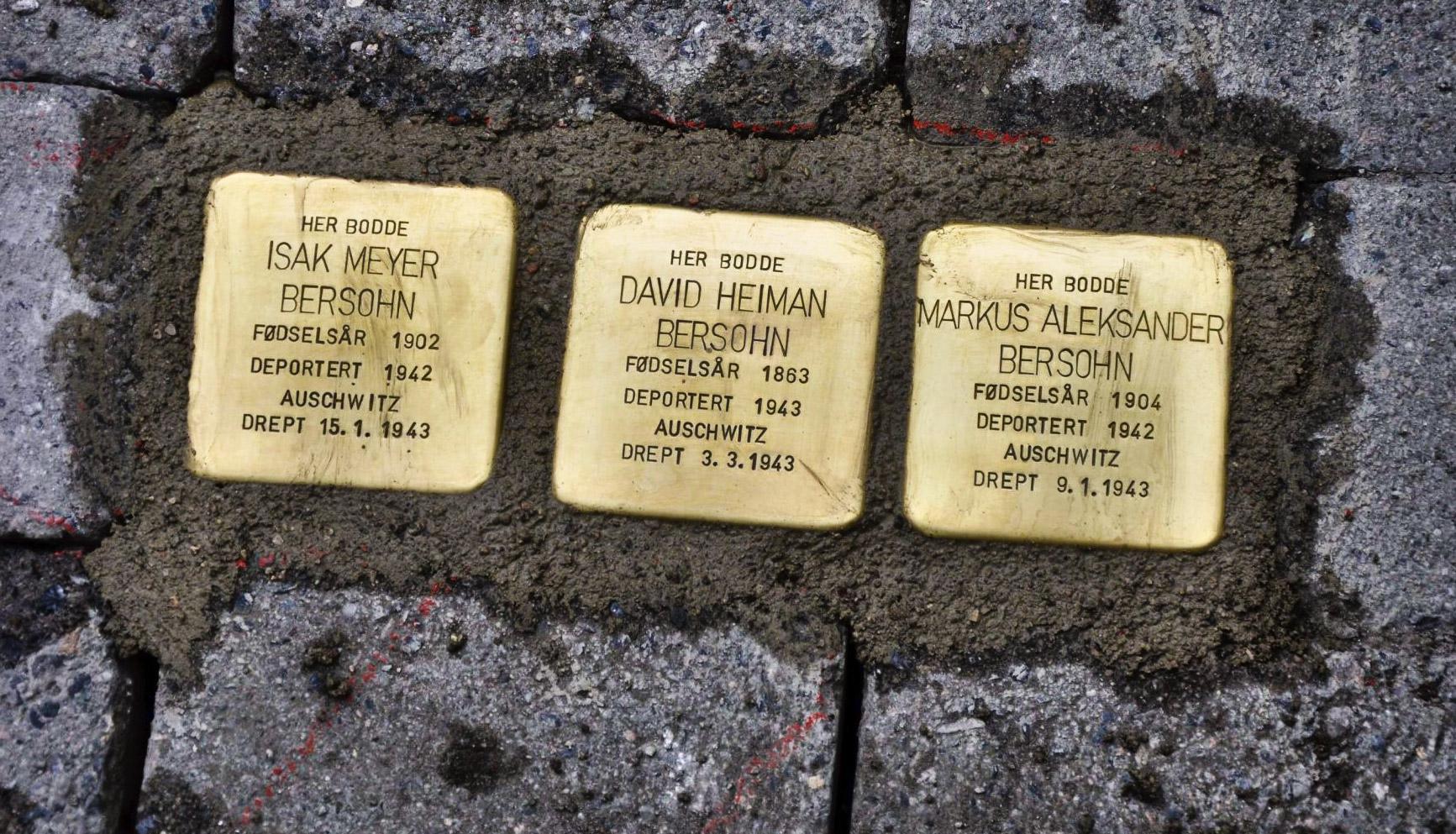 Jevnaker
Second World War memorial - The stumble stones in Jevnaker
The stumble stones in Jevnaker - Second World War memorial The stumble stones is simple, yet important memorials dedicated to those who fell to the Nazis during the second World War. The stones is embedded into the pavement where Jews and other victims resided until they were deported and killed. Each stumble stone represents a single human life with their name, date of birth, deportation date as well as place and date of death engraved on a brass plate. In Jevnaker you will find three such stumble stones, all in memory of the Bersohn family who met their end in Auschwitz. Here you may read the stories of their lives, which was torn from them far too early. - David Heyman Bersohn (1863 - 1943) - Isak Meyer Bersohn (1902 - 1943) - Markus Aleksander Bersohn (1904 - 1943) (The national stumble stone-webpage is unfortunately only in Norwegian, but can be read in English using browsers with auto-translation, such as Google Chrome) About the “Stolpersteine”-project (German for Stumble stone) The Stumble stone project was initiated by a German artist named Gunter Demnig I 1994, when he placed the first stumble stone in Køln. Since then more than 60 000 stumble stones have bloomed across 22 European countries. The stumble stones made their way to Norway in 2010 managed by the Jewish Museum, who placed the first stumble stones in Calmeyers gate 15.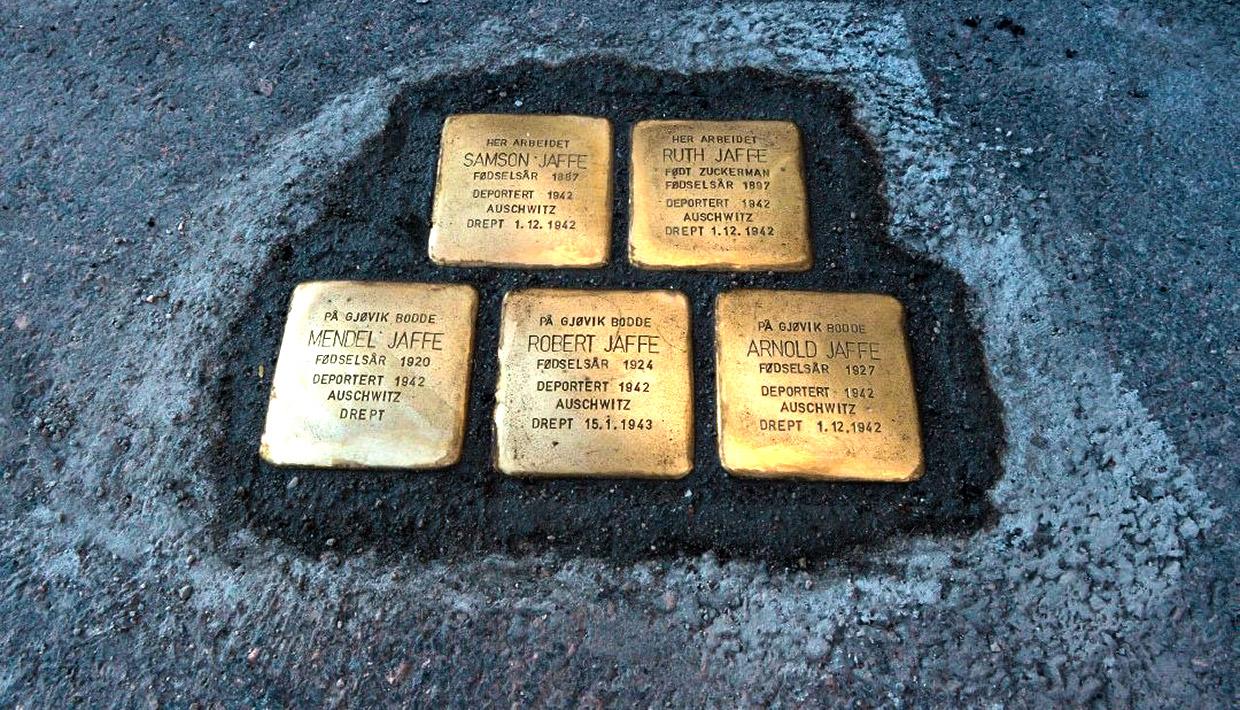 Gjøvik
Second World War memorial - The stumble stones in Gjøvik
The stumble stones in Gjøvik - Second World War memorial The stumble stones is simple, yet important memorials dedicated to those who fell to the Nazis during the second World War. The stones is embedded into the pavement where Jews and other victims resided until they were deported and killed. Each stumble stone represents a single human life with their name, date of birth, deportation date as well as place and date of death engraved on a brass plate. In Gjøvik you will find five such stumble stones, all in memory of the Jaffe family who met their end in Auschwitz. Here you may read the stories of their lives, which was torn from them far too early. - Samson Jaffe (1887 - 1942) - Ruth Jaffe (1897 - 1942) - Mendel Jaffe (1920 - ?) - Robert Jaffe (1924 -1943 ) - Arnold Jaffe (1927 -1942) (The national stumble stone-webpage is unfortunately only in Norwegian, but can be read in English using browsers with auto-translation, such as Google Chrome) About the “Stolpersteine”-project (German for Stumble stone) The Stumble stone project was initiated by a German artist named Gunter Demnig I 1994, when he placed the first stumble stone in Køln. Since then more than 60 000 stumble stones have bloomed across 22 European countries. The stumble stones made their way to Norway in 2010 managed by the Jewish Museum, who placed the first stumble stones in Calmeyers gate 15.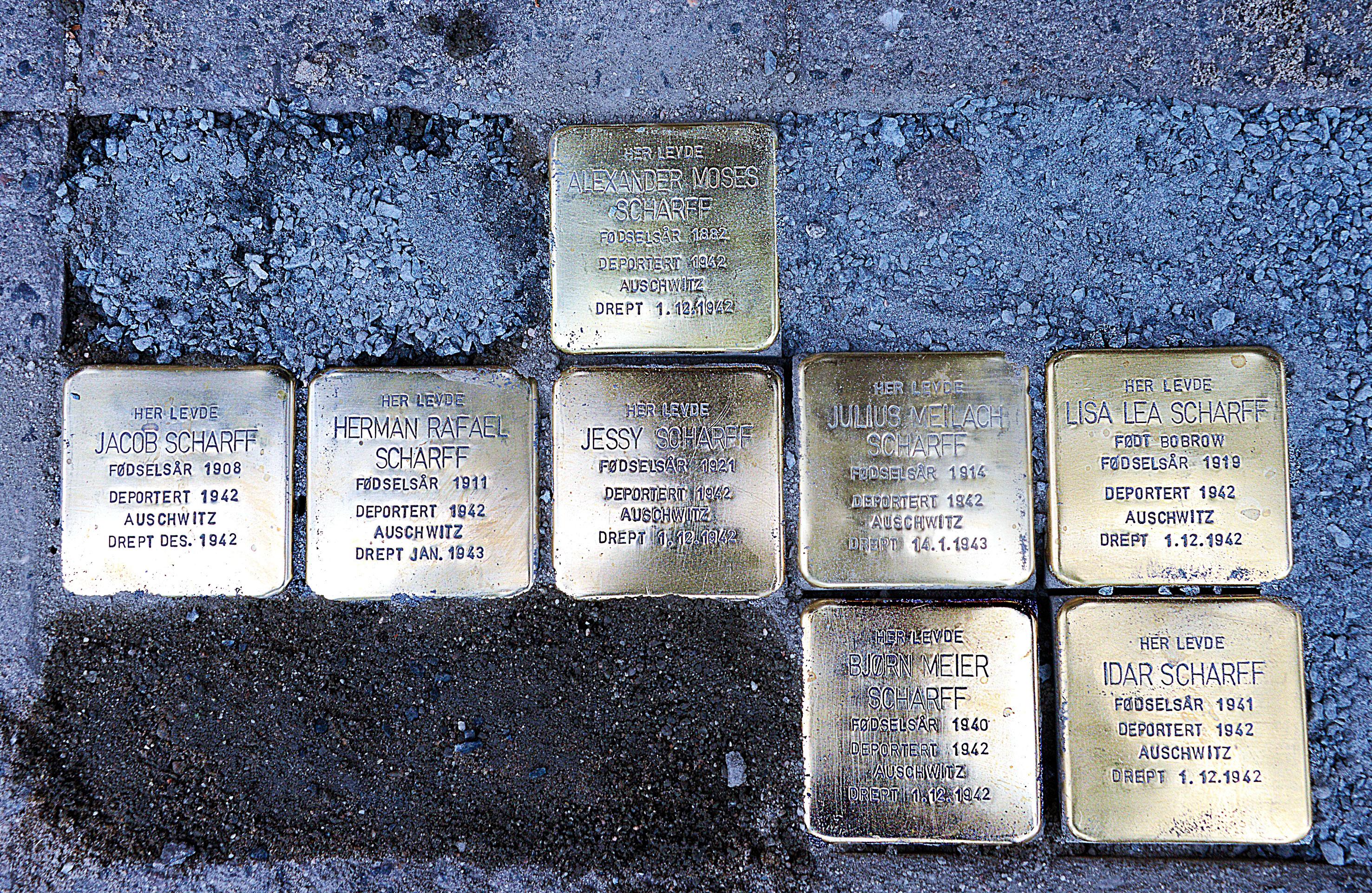 Hønefoss
Second World War memorial - The stumble stones in Hønefoss
The stumble stones in Hønefoss - Second World War memorial The stumble stones is simple, yet important memorials dedicated to those who fell to the Nazis during the second World War. The stones is embedded into the pavement where Jews and other victims resided until they were deported and killed. Each stumble stone represents a single human life with their name, date of birth, deportation date as well as place and date of death engraved on a brass plate. In Hønefoss you will find eight such stumble stones, all in memory of the Scharff family who met their end in Auschwitz. Here you may read the stories of their lives, which was torn from them far too early. - Alexander Moses Scharff (1882 - 1942) - Jacob Scharff (1908 - 1942) - Herman Rafael Scharff (1911 - 1943) - Julius Meilach Scharff (1914 - 1943) - Lisa Lea Scharff (1919 - 1942) - Jessy Scharff (1921 - 1942) - Bjørn Meier Scharff (1940 - 1942) - Idar Scharff (1941 - 1942) (The national stumble stone-webpage is unfortunately only in Norwegian, but can be read in English using browsers with auto-translation, such as Google Chrome) About the “Stolpersteine”-project (German for Stumble stone) The Stumble stone project was initiated by a German artist named Gunter Demnig I 1994, when he placed the first stumble stone in Køln. Since then more than 60 000 stumble stones have bloomed across 22 European countries. The stumble stones made their way to Norway in 2010 managed by the Jewish Museum, who placed the first stumble stones in Calmeyers gate 15.
Más museos y monumentos de la Segunda Guerra Mundial
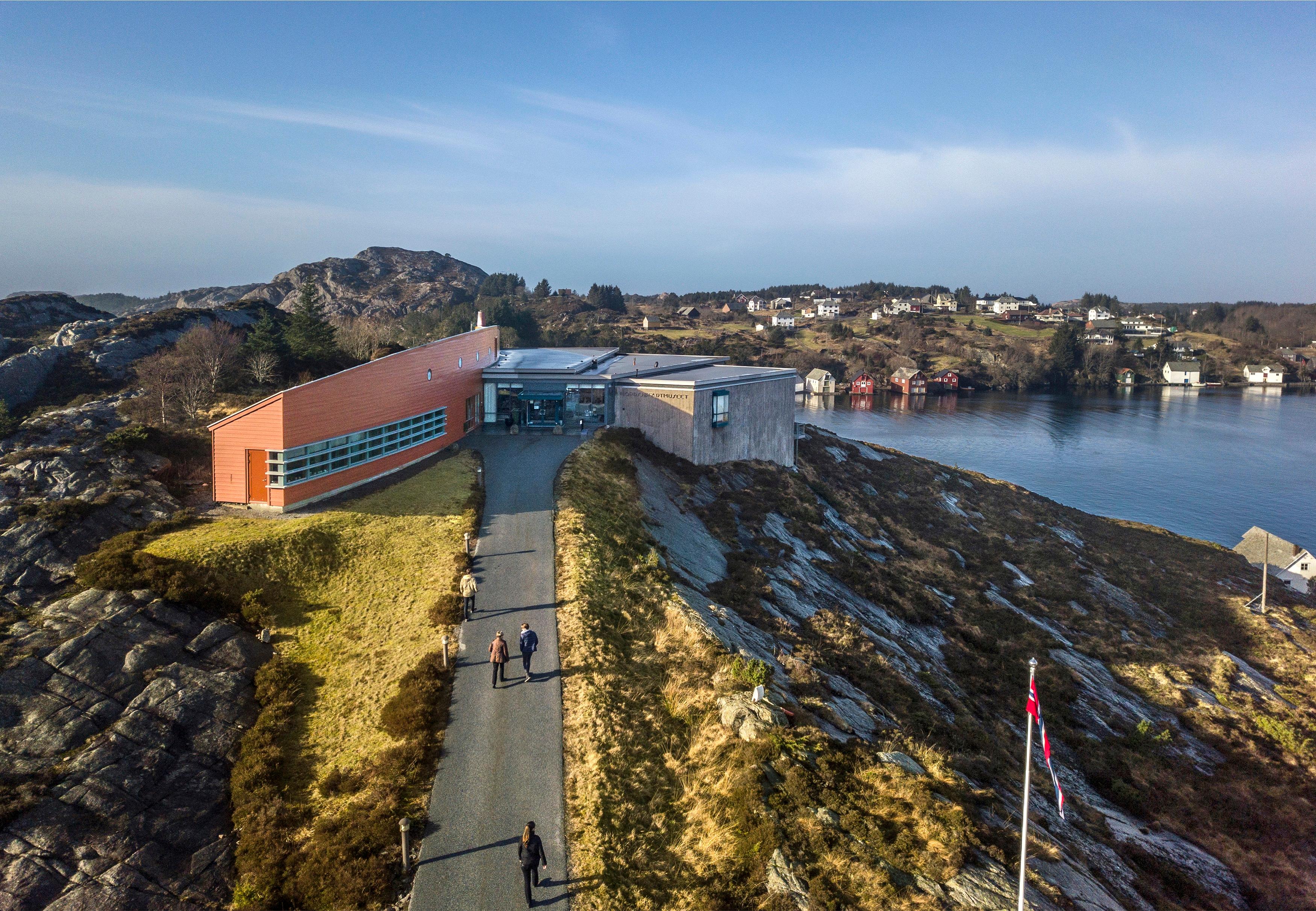
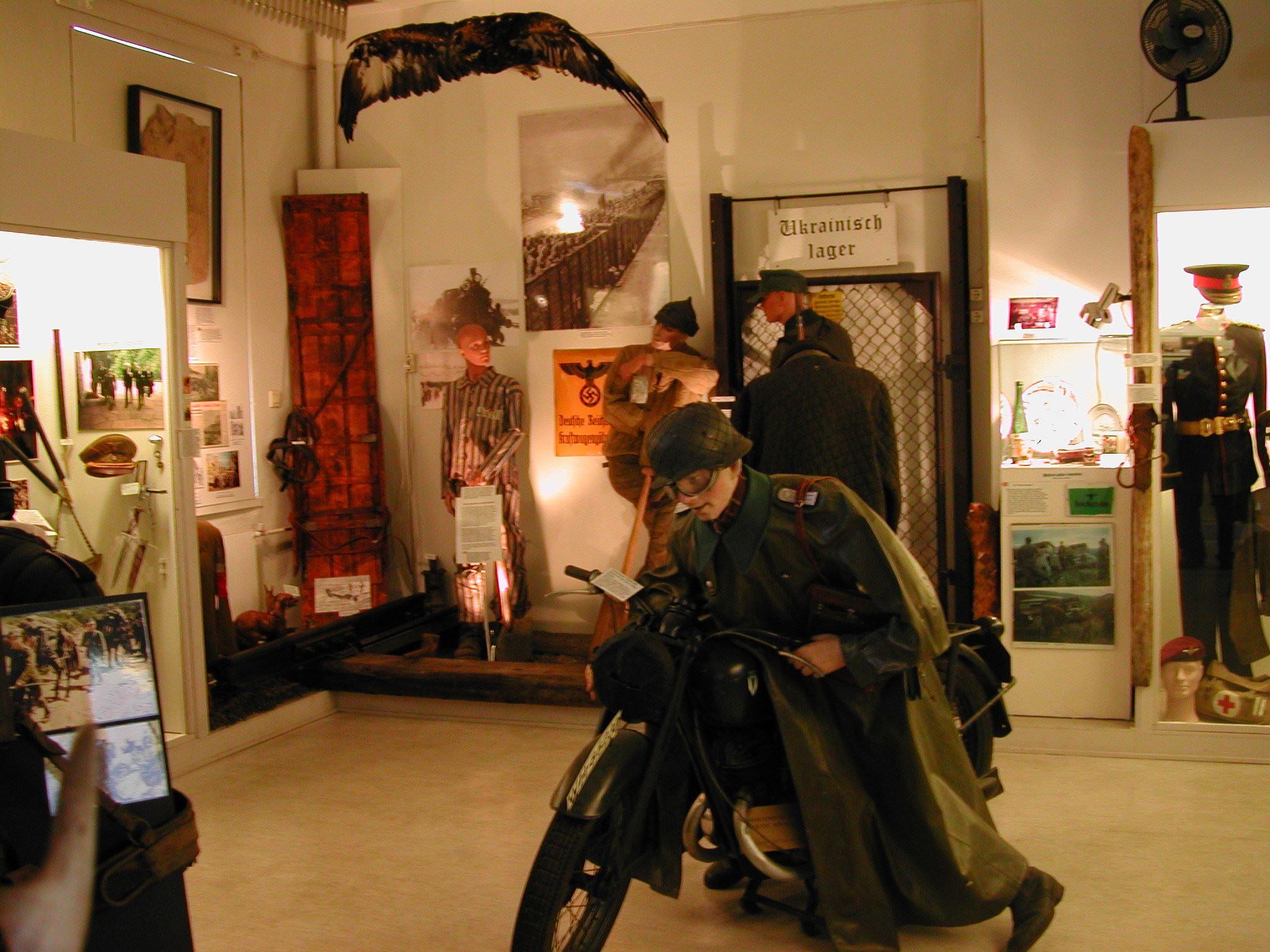
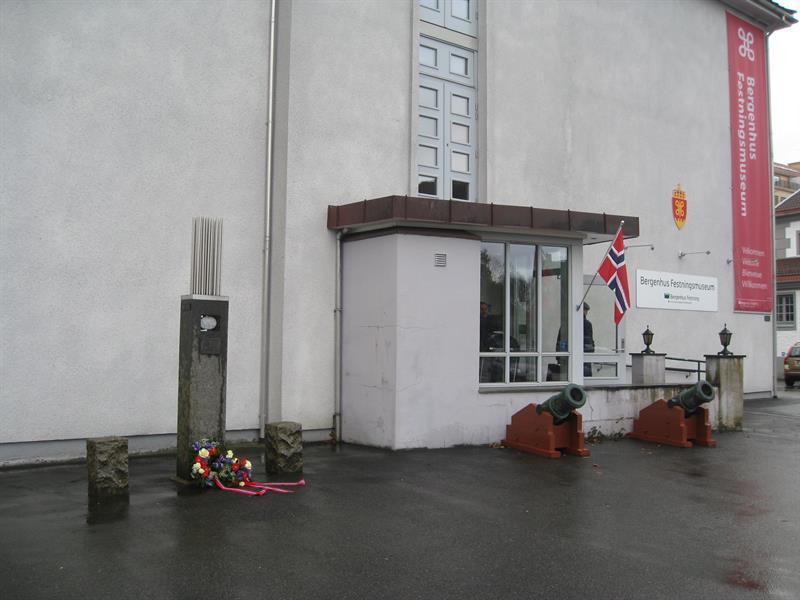
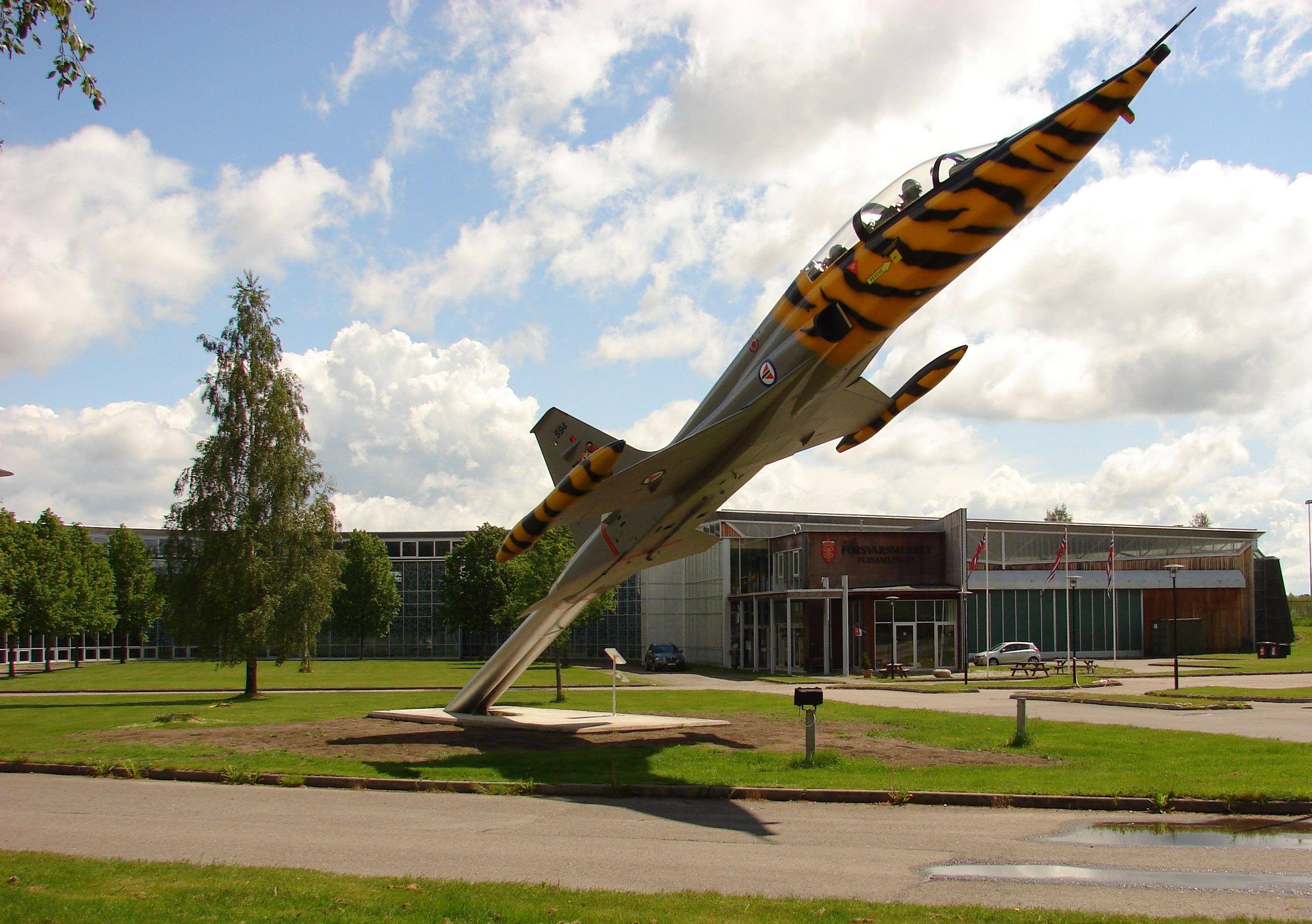
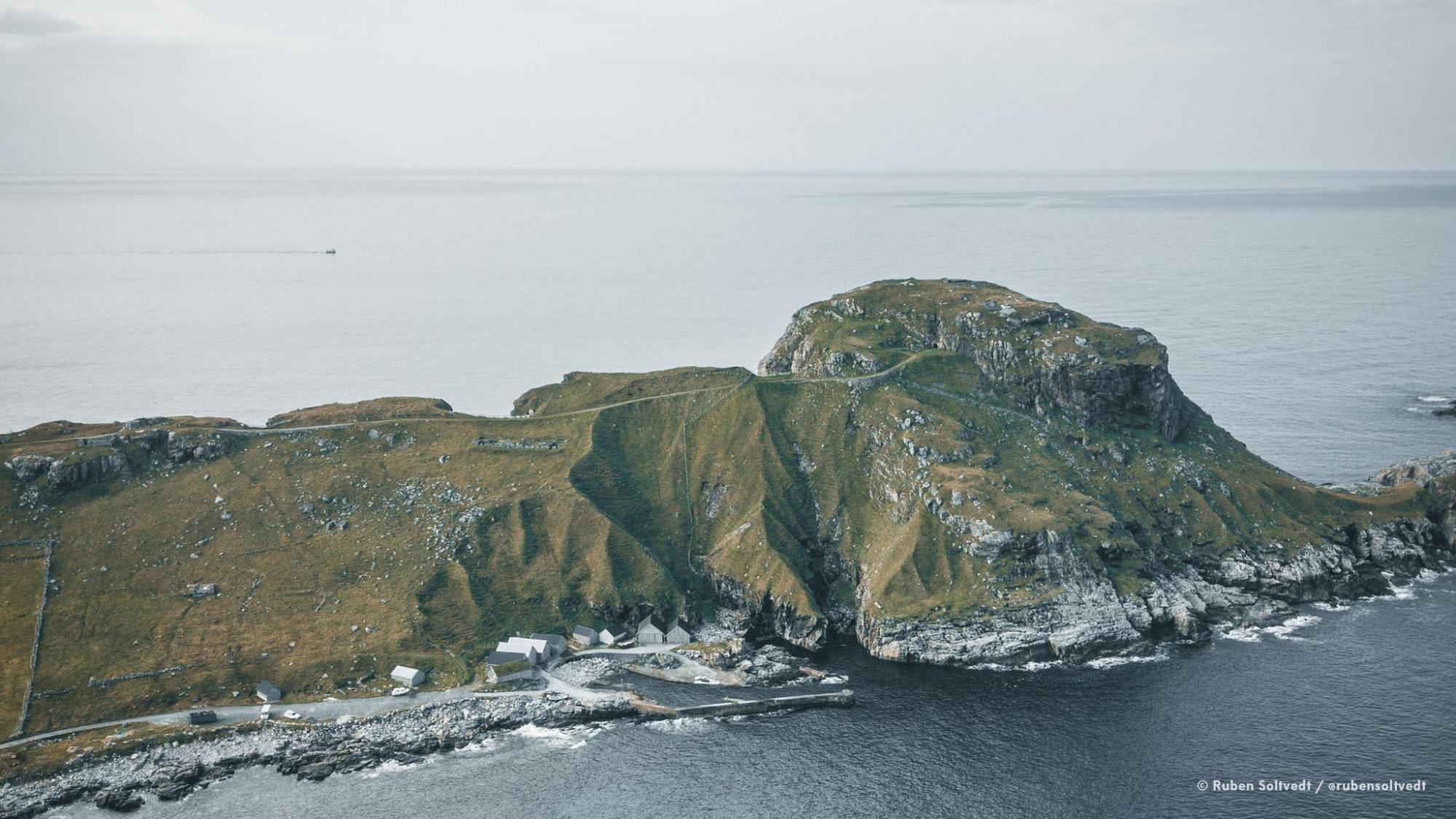
Encuentra fuertes, museos y monumentos conmemorativos de la guerra
Aprovecha estas increíbles ofertas
Echa un vistazo a algunas empresas que te ayudarán a sacar el máximo partido de tu viaje.
 Auto EuropeUna experiencia de alquiler de coches siempre excelente. Busca y compara tarifas. Cancelación gratuita hasta 24 horas antes de la recogida.
 Go Fjords¡Reserva visitas guiadas y experiencias fantásticas! Ofrecemos tours en Oslo, Bergen, Stavanger, las Lofoten, el Cabo Norte y mucho más.
 Booknordics.comPaquetes vacacionales únicos, hoteles de aventura, tours y actividades.
 Up NorwayLujo a medida seleccionado por expertos locales. Combinamos tus preferencias y nuestros conocimientos para que el viaje sea inolvidable.
 Radisson HotelsOfertas económicas y estancias cómodas de calidad en las principales ciudades, aeropuertos y estaciones de esquí de Noruega.
 Discover NorwayOfrece una gama de emocionantes vacaciones por tu cuenta de senderismo, ciclismo y esquí por Noruega. Traslado de equipaje incluido.
 HurtigrutenDisfruta de unas vistas pintorescas en cómodos viajes en autobús a los fiordos y de ciudad en ciudad con nuestros autobuses exprés.
 Norrøna AdventurePrepárate para expediciones y viajes de aventura con Norrøna Adventure. Excursiones de senderismo, esquí y ciclismo.
 Vy TrainContempla el paisaje en un viaje en tren entre Oslo y Bergen con el ferrocarril de Bergen y conoce la gran región de Oslo.
 Fjord Travel NorwayDuerme en un hotel de hielo, persigue las auroras boreales y descubre los mágicos fiordos. ¡Reserva tu visita ahora!
 Rent-A-Wreck of Scandinavia ASLa alternativa de alquiler de coches inteligente y económica.
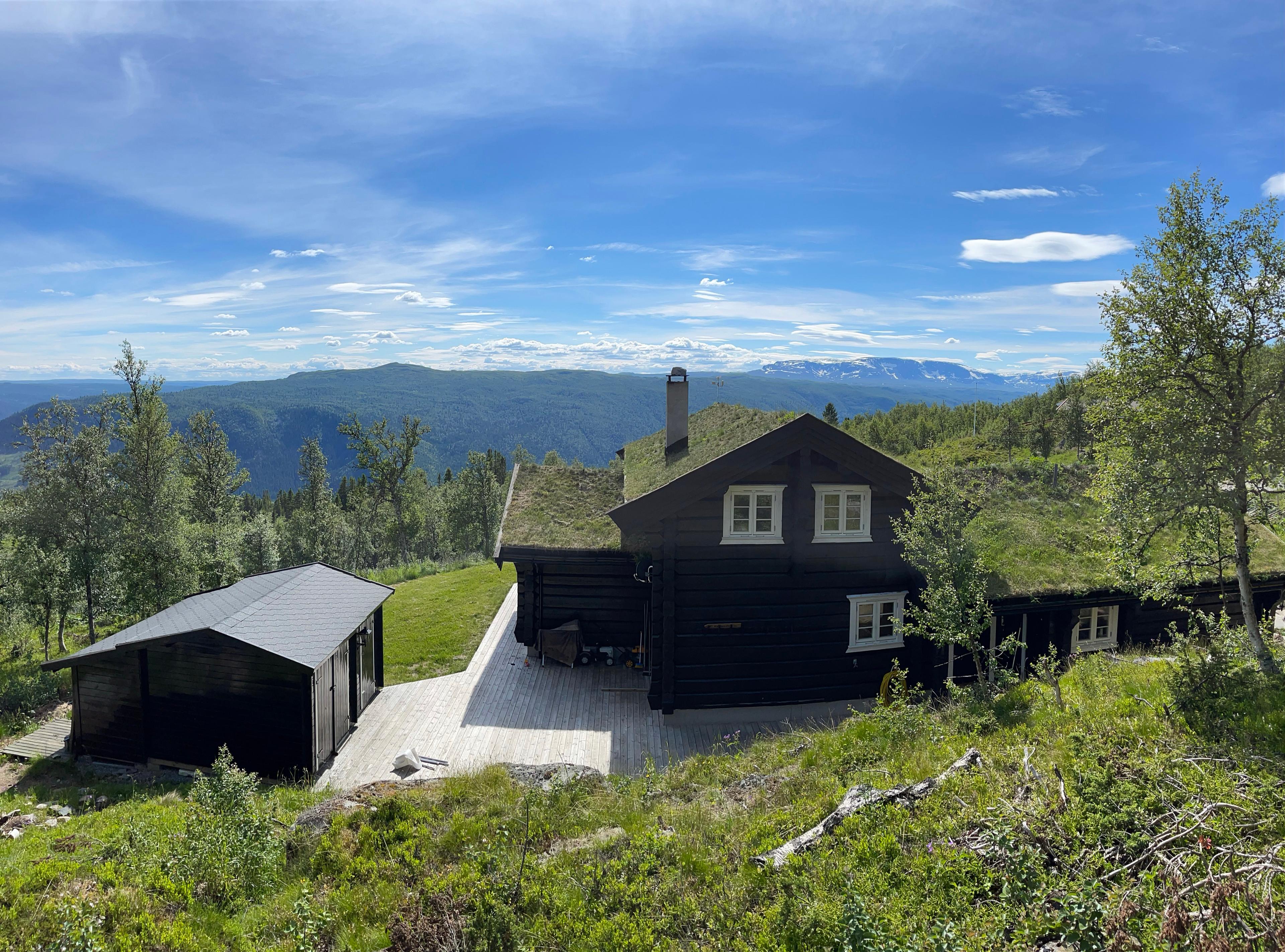 NorgesbookingReserva la estancia perfecta en una cabaña en los fiordos, las montañas y los valles de Noruega.
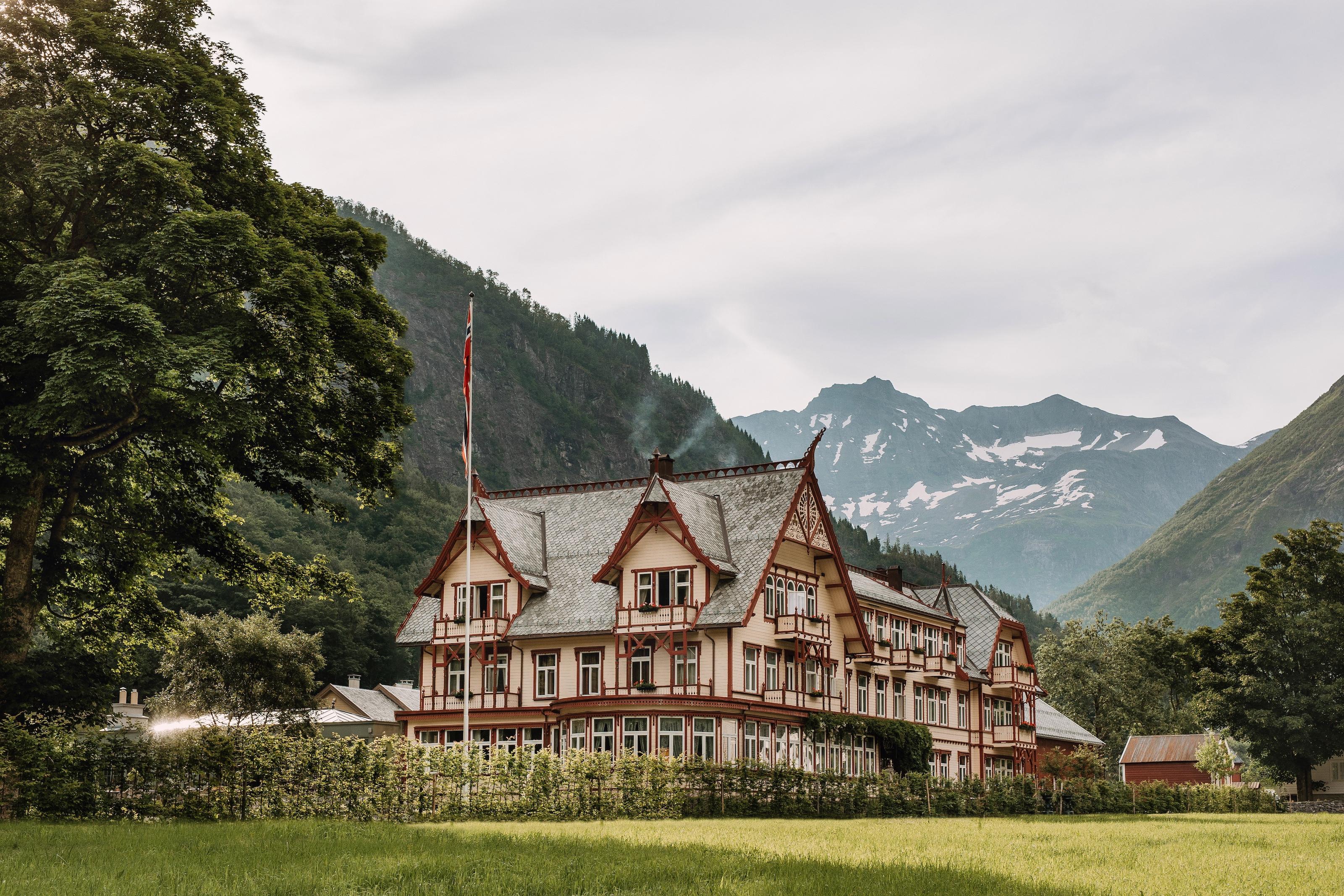 De HistoriskeVive una estancia inolvidable en uno de los singulares y auténticos hoteles históricos de Noruega. Disfruta de experiencias gastronómicas de primera y de una gran variedad de actividades.
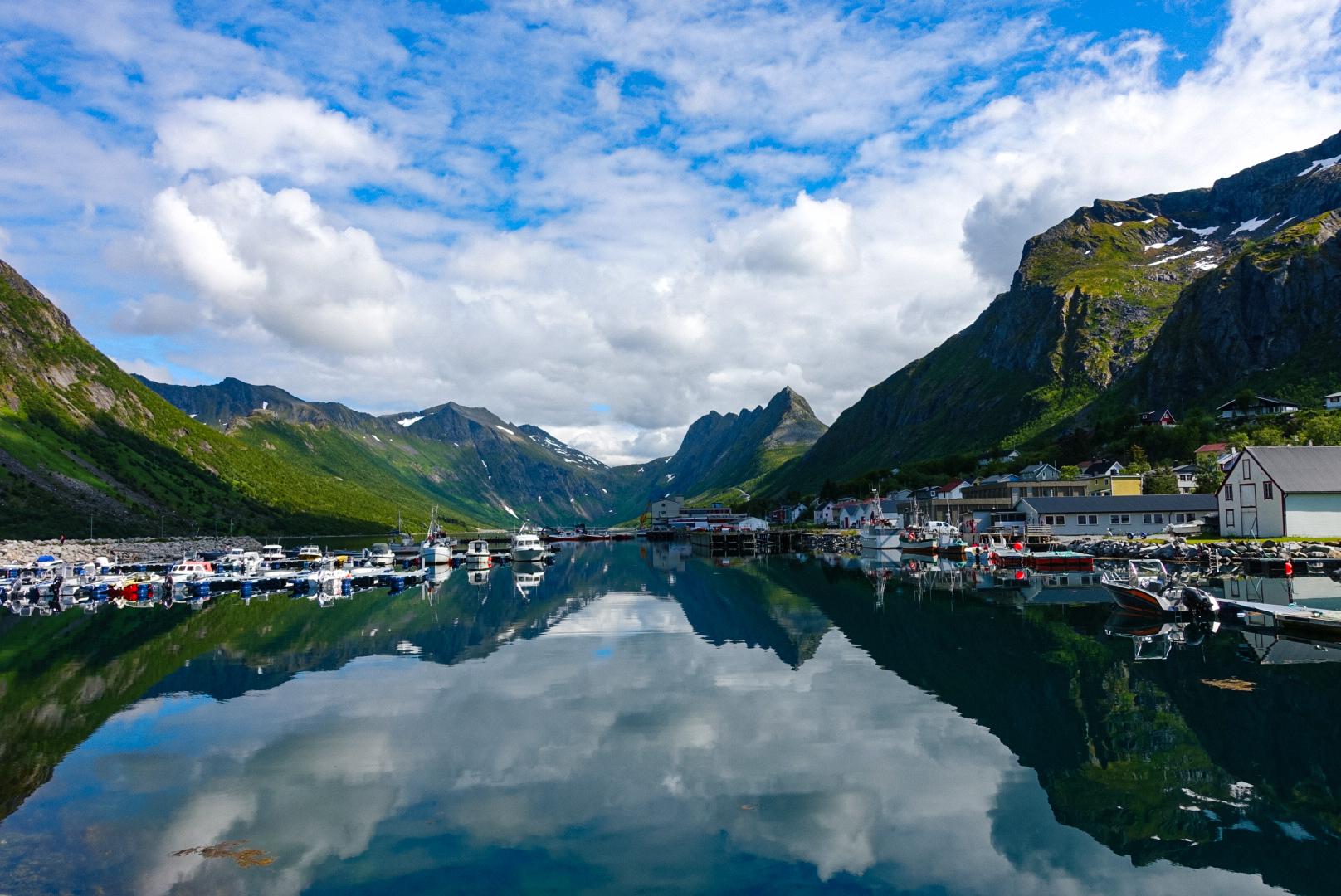 My Nordic TravelElige entre itinerarios diseñados a medida y paquetes de vacaciones ya elaborados a los mejores destinos de Noruega.
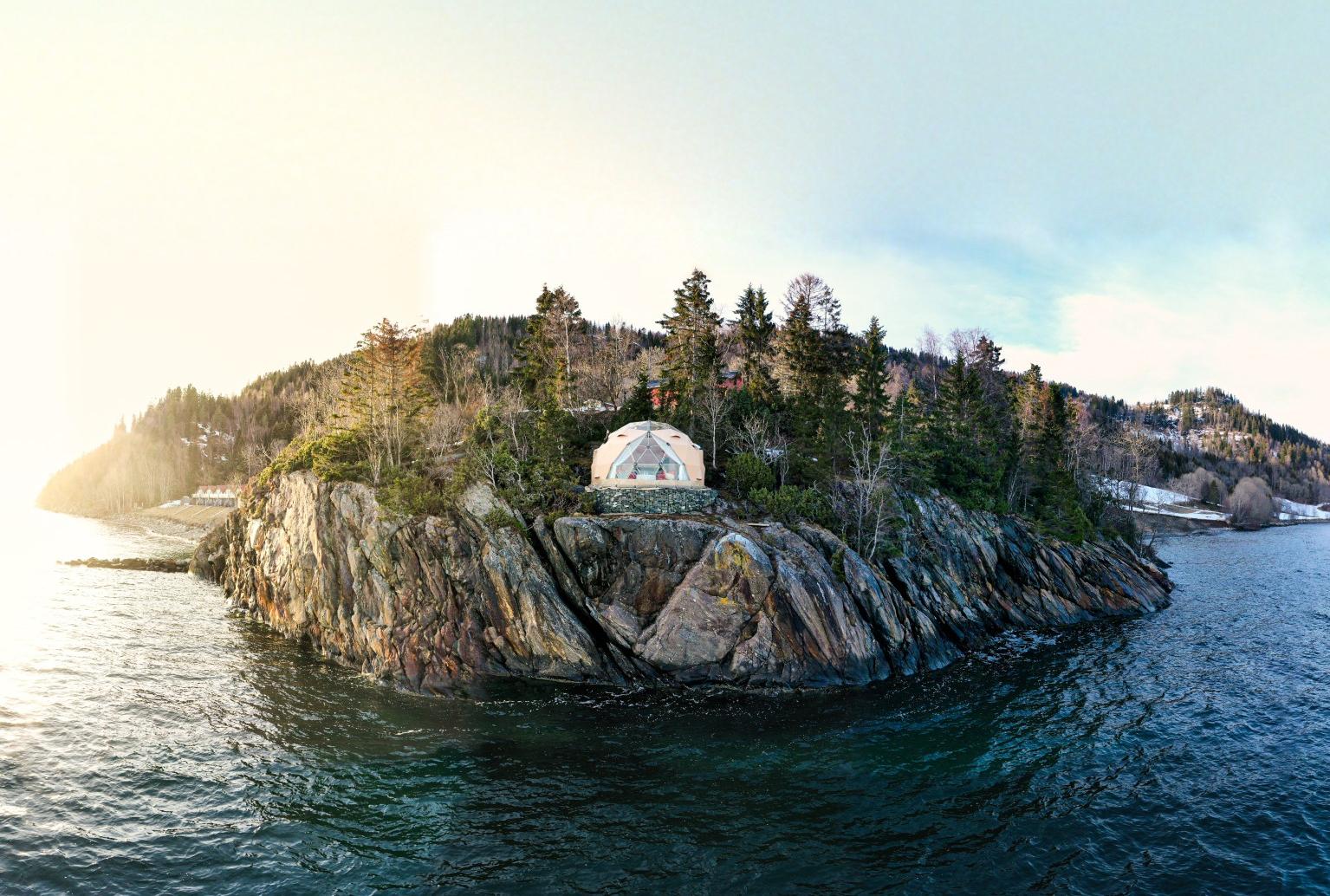 CampanyonUna acampada única en la naturaleza. Reserva una estancia en una casa del árbol o en una tienda de glamping, o alquila una parcela para autocaravanas.
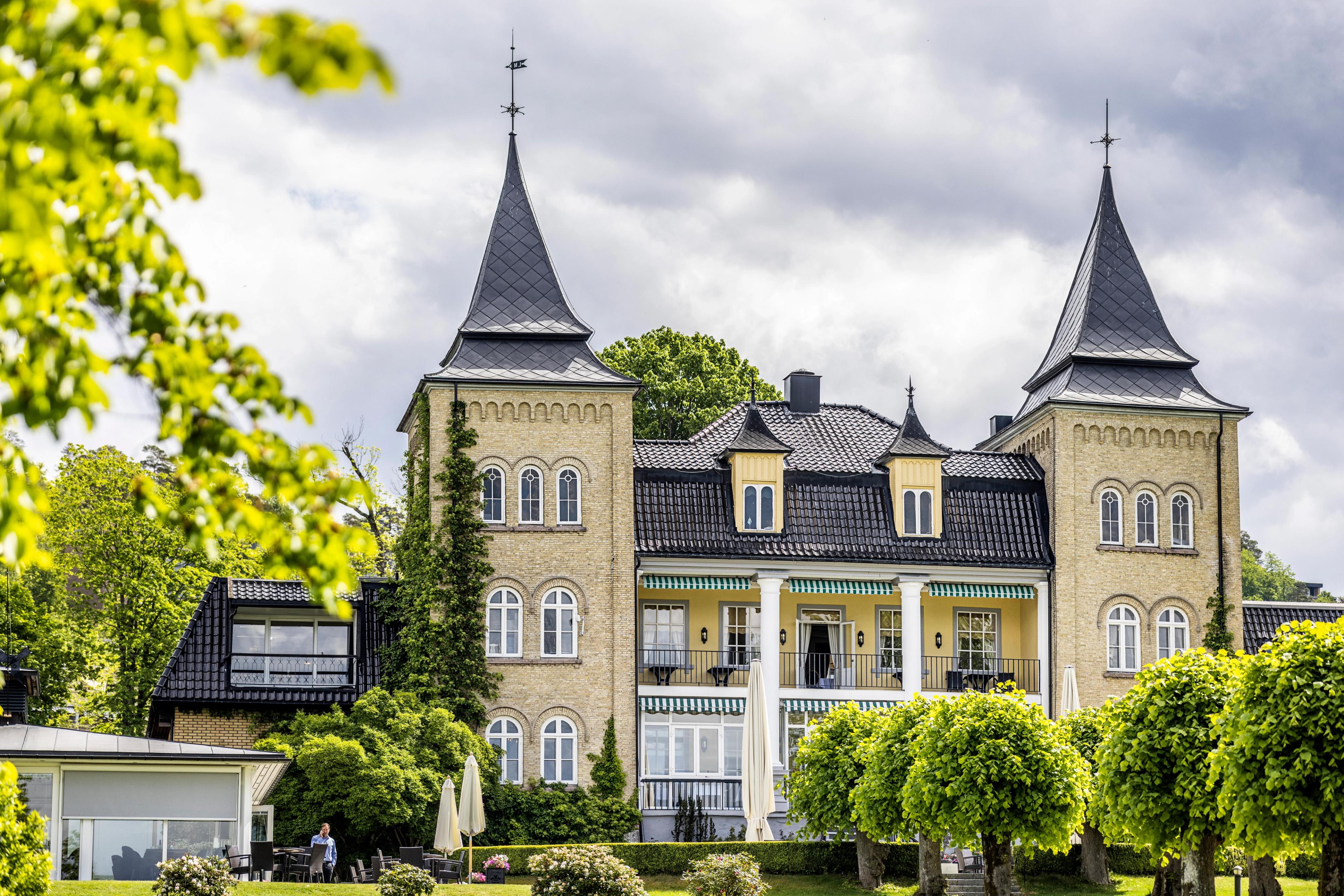 Classic Norway HotelsCon nosotros, el hotel es el destino. Reserva una noche para recordar en uno de los hoteles más singulares y característicos de Noruega.
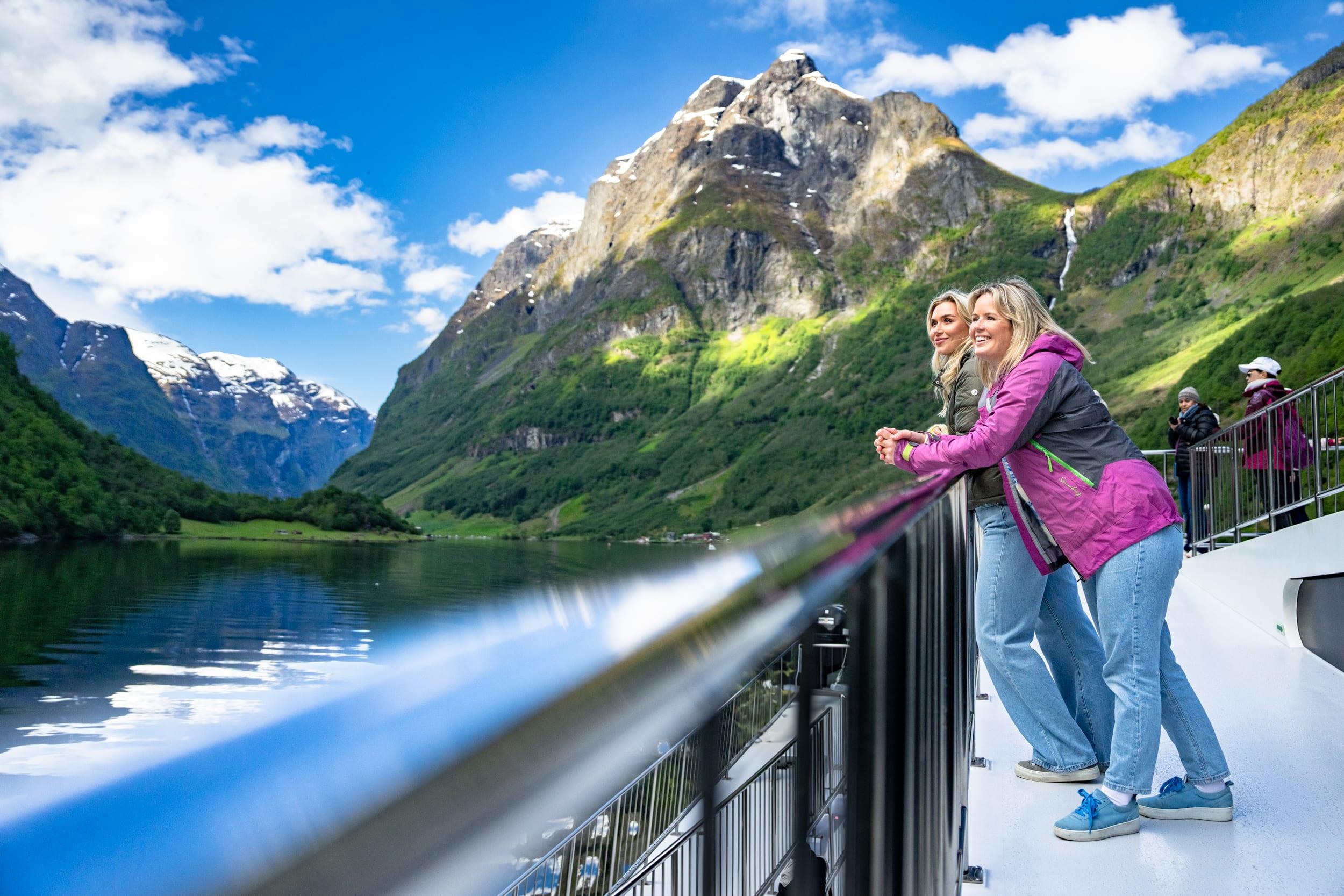 Fjord ToursHogar de Norway in a Nutshell, el tour más popular de Noruega. Fiordos, montañas y destinos alucinantes, ¡todo en un solo viaje!
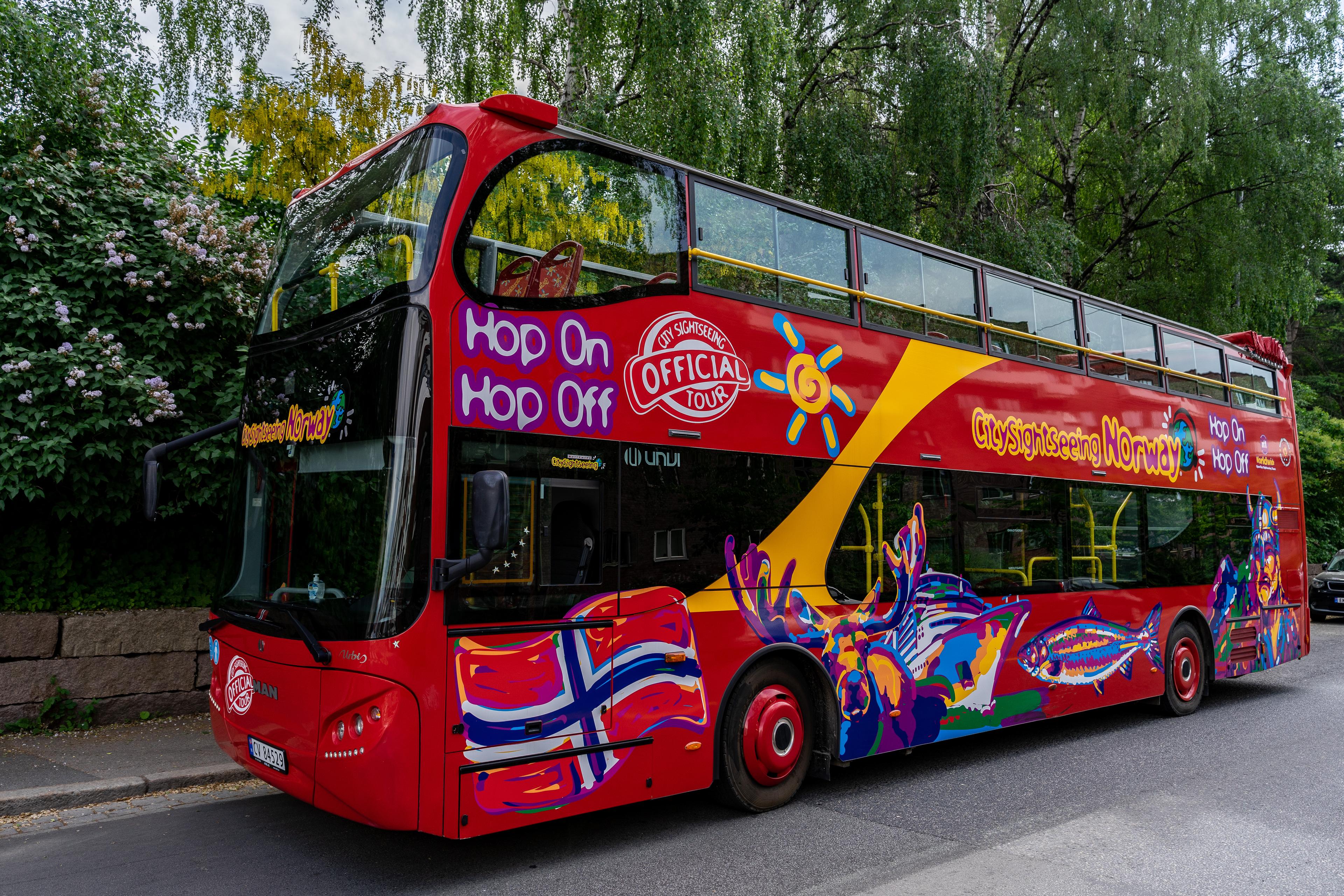 StrömmaVisitas turísticas en autobús y barco en varios de los principales lugares turísticos y ciudades de Noruega.
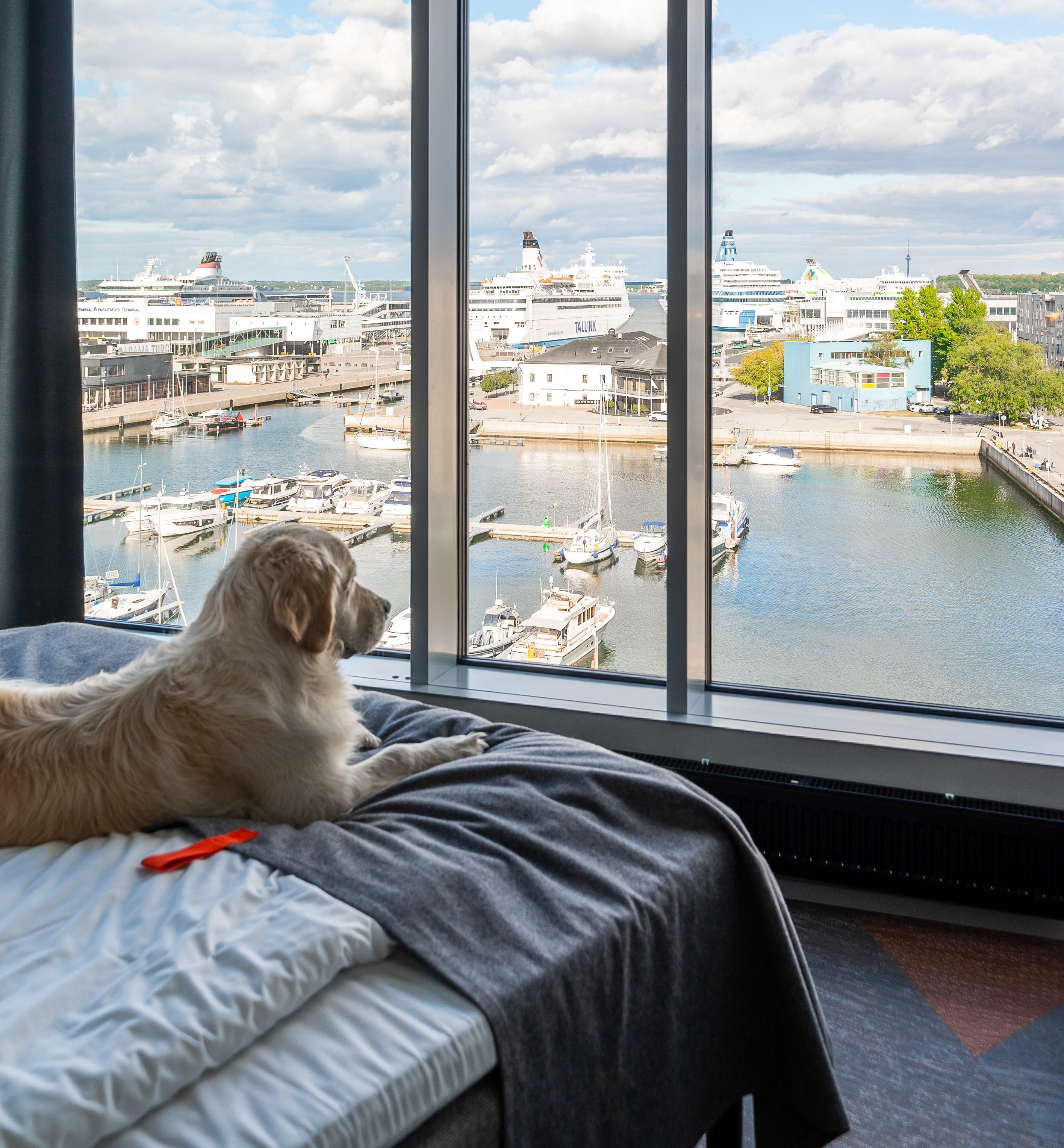 CityboxHoteles modernos y asequibles en ubicaciones céntricas de Oslo, Bergen y Kristiansand.
 Scandic HotelsDisfruta de la mejor hospitalidad noruega en más de 90 hoteles en todo el país. Ofertas especiales disponibles.
 CampcationReserva una estancia en un camping en lugares impresionantes y únicos de toda Noruega con Campcation.
 Benzini CampersLa aventura de tu vida empieza aquí. Reserva ya tu autocaravana con Benzini Campers.
 Strawberry¡Una empresa hotelera diferente! Encuentra grandes ofertas de fin de semana en más de 100 hoteles de Noruega.
 Brim ExplorerTours tranquilos por los fiordos en catamaranes eléctricos galardonados por Oslo, Tromsø, las Lofoten y Svalbard.
 Arctic Campers AS¿Quieres saber cómo es la vida en una caravana? Explora Noruega con comodidad y estilo en nuestras autocaravanas inteligentes y acogedoras.
 SJ NordSJ NORD: la aventura comienza en el tren
 NorwegianNorwegian ofrece vuelos baratos en Noruega y conexiones directas desde más de 70 aeropuertos europeos. Reserva los vuelos a tu destino a través de nuestro calendario de tarifas bajas.
 Thon Hotels AS¡Desayuno delicioso incluido! Disfruta del verdadero confort y de precios razonables en nuestros 80 hoteles de Noruega.
 Authentic ScandinaviaViajes organizados por locales. Nuestros tours personalizados se adaptan a todo tipo de viajeros y presupuestos.
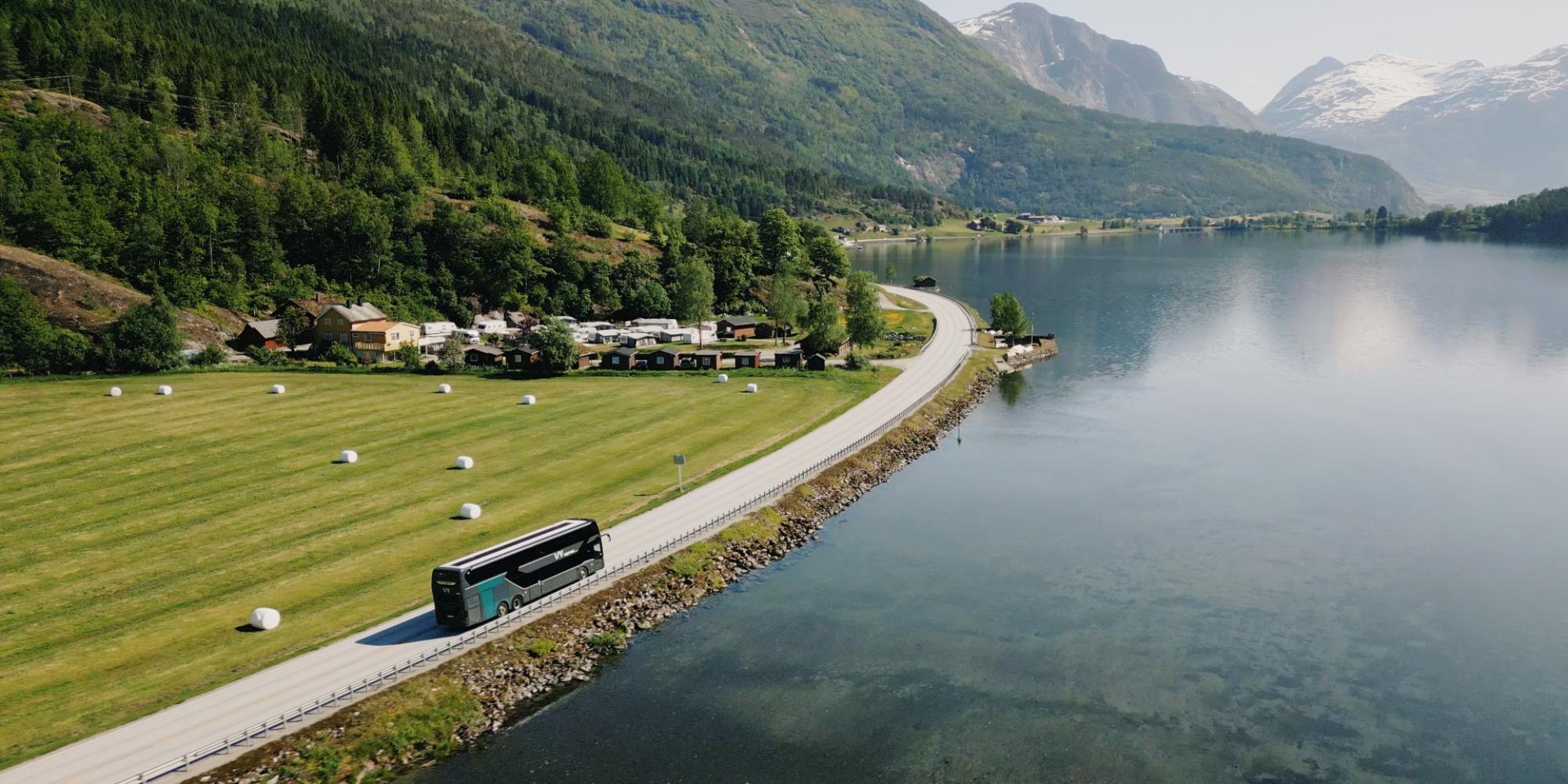 Vy expressDescubre Noruega en cómodos autobuses exprés que te llevarán a las principales ciudades, montañas y fiordos.
 50 Degrees North NordicElige entre viajes individuales personalizados y viajes en grupos reducidos y exclusivos por Noruega.
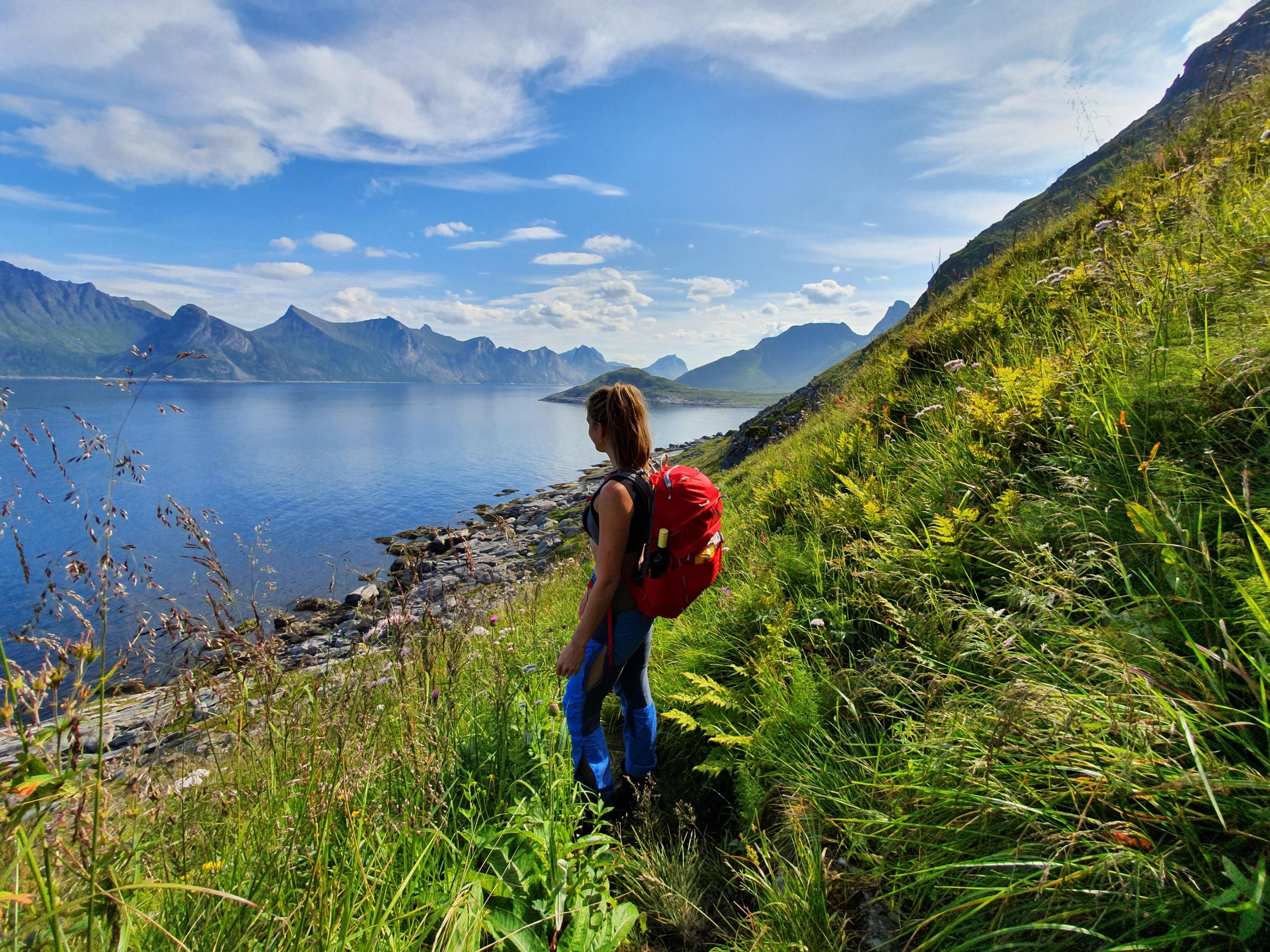 CampioCampio es el mayor sitio web de reservas de acampada de Noruega. Encuentra los mejores campings y aparcamientos de autocaravanas en todo el país.
 Norwegian HolidaysPaquetes vacacionales a un precio bajo con Norwegian. Reserva el vuelo, el hotel y el coche de alquiler desde un único lugar.
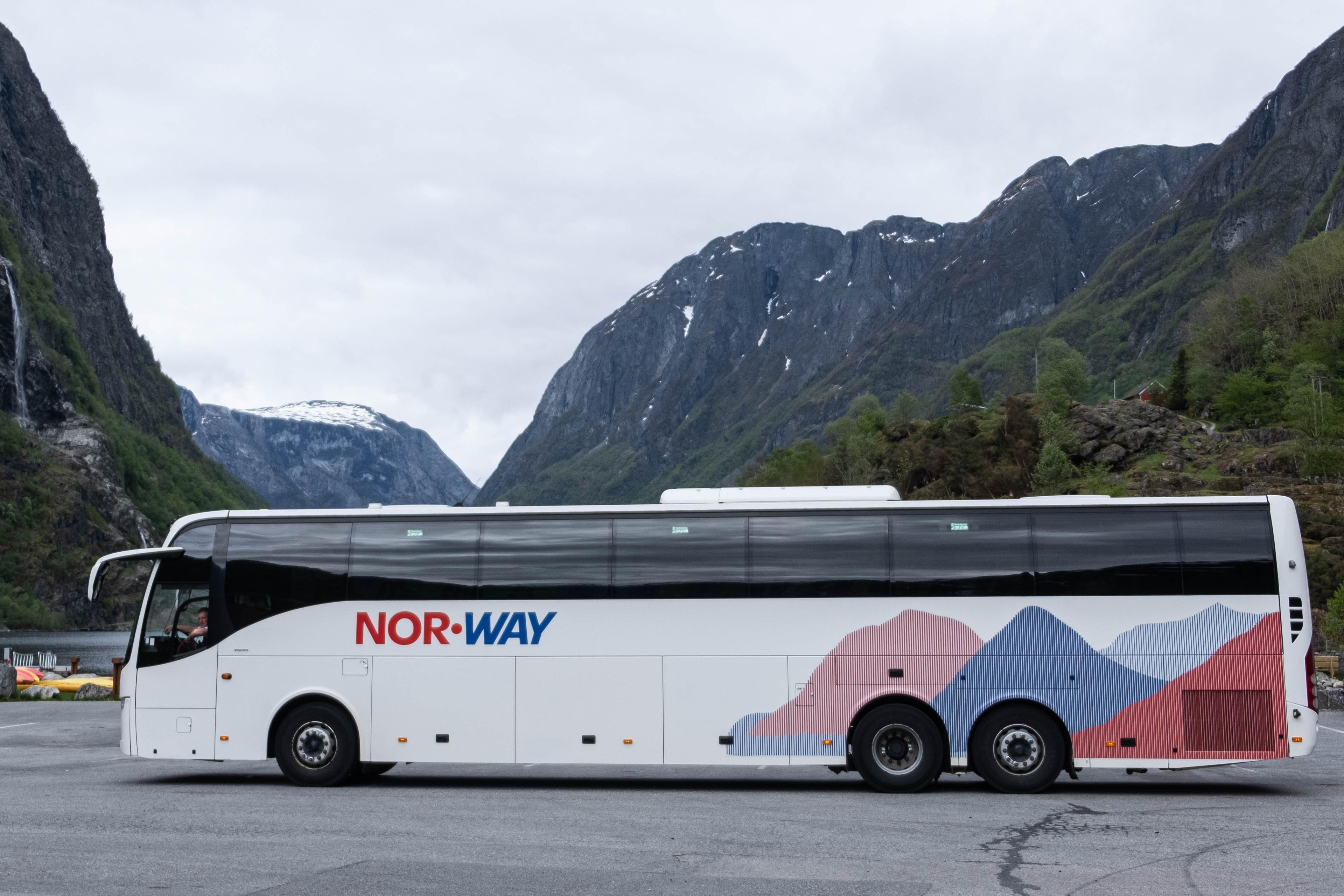 NOR-WAY BussekspressDisfruta de unas vistas pintorescas en cómodos viajes en autobús a los fiordos y de ciudad en ciudad con nuestros autobuses exprés.