The Norwegian national football team

El homenaje viral de Noruega

El «remo vikingo»
o Viking Row

¿Qué es el remo vikingo? El remo vikingo es el cántico futbolístico noruego que se ha vuelto viral. Se trata de un ritual de la afición inspirado en los vikingos y en las antiguas tradiciones de remo del país, así como en los fiordos, los lagos y la vida junto al mar.
Además, últimamente todo el mundo parece hacerlo, ¡incluso en tierra firme!

Una multitud vestida de rojo, blanco y azul se sienta en fila, uno detrás de otro. Los brazos se estiran hacia delante, los cuerpos se inclinan hacia atrás y se oye un cántico. Entonces, todo el grupo empieza a remar: no en el agua, sino en las aceras y los andenes del metro, en estadios y en los lugares públicos más insólitos, como Times Square en Nueva York, oficinas, colegios e incluso en el Parlamento noruego. ¡Todo el mundo está remando como si no hubiera un mañana!

El singular cántico de Noruega

Desde Times Square en Nueva York hasta el Parlamento noruego: el remo vikingo noruego está en todas partes.

El cántico consiste en que los aficionados se sientan o se agachan en filas y mueven los brazos como si estuvieran remando en un barco vikingo, normalmente mientras corean «Ro! Ro! Ro!» (¡Rema! ¡Rema! ¡Rema!) cada vez más rápido.

El grito «¡Rema!» simboliza a los noruegos remando hacia la orilla antes del partido, listos para la batalla.

Se ha vuelto viral durante la trayectoria de Noruega en el Mundial.

Este cántico es nuevo, de este mismo año, y la idea se le ocurrió al aficionado Ole Frøystad, de Sunnmøre.

Cómo surgió el remo vikingo

El remo vikingo surgió de la cultura futbolística noruega: una celebración colectiva en la que los aficionados se sientan en fila y reman al unísono, como si impulsaran un barco vikingoinvisible entre la multitud. Ha viajado con los aficionados noruegos al extranjero y ha convertido plazas, estaciones de tren y estadios en auténticas embarcaciones vikingas temporales.

Many Norwegians sitting on the Karl Johan street and doing the Viking row

El grito «¡Rema!» simboliza a los noruegos remando hacia la orilla antes del partido, listos para la batalla.

No hacen falta instrucciones ni material alguno. Basta con sentarse, agarrar un remo imaginario, seguir el ritmo y formar parte de la tripulación.

Quizás por eso se ha popularizado tan rápido.

Explicación del remo vikingo

La fiebre futbolística noruega

Este Mundial de 2026 reviste una gran importancia para Noruega. Por primera vez desde 1998, una nueva generación vuelve a ver a la selección masculina en el mayor escenario del fútbol, liderada por estrellas como Erling Haaland y Martin Ødegaard. Tras casi tres décadas de espera, el torneo se ha convertido en algo más que un simple evento deportivo: es un momento de orgullo nacional, unidad y una celebración esperada. ¡Y Noruega se ha volcado mucho!

Por qué resulta tan noruego

El remo vikingo tiene sus raíces en la tradición más noruega de todas: los vikingos, los barcos, la espuma del mar y una población que parece sentirse sorprendentemente cómoda con el mal tiempo.

Noruega es un país largo y estrecho rodeado por el mar. Nuestra costa está surcada por fiordos, islas, escollos y estrechos. Durante la mayor parte de nuestra historia, el agua no fue un obstáculo, sino la principal vía de comunicación.

Antes de los túneles, los puentes, los ferris, los ferrocarriles y las autopistas, los noruegos viajaban en barco. Remábamos para pescar, para comerciar, para ir a la iglesia, a los mercados, a las granjas vecinas y de un fiordo a otro.

En los lagos del interior, los barcos también eran el sustento de la población local. Cuando el hielo desaparecía en primavera, la gente podía volver a transportar mercancías, animales, madera, alimentos y noticias por el agua.

El mar, los lagos y los fiordos constituían la red de autopistas de Noruega hasta hace, históricamente hablando, apenas tres minutos.

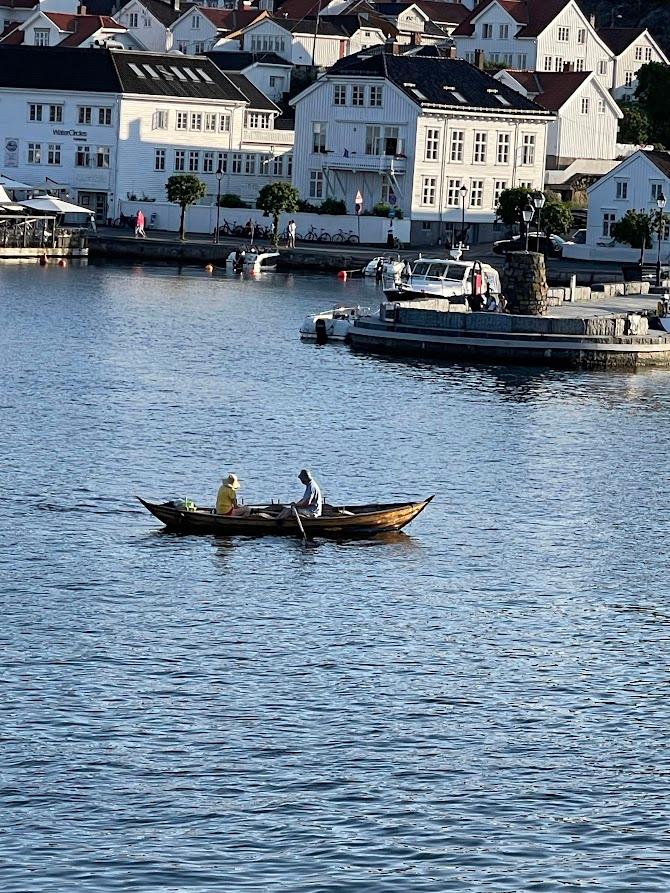
  • Man rowing near Kjerringøy Bodø, Northern Norway
  • And old photo of people rowing a bota in Hardanger.
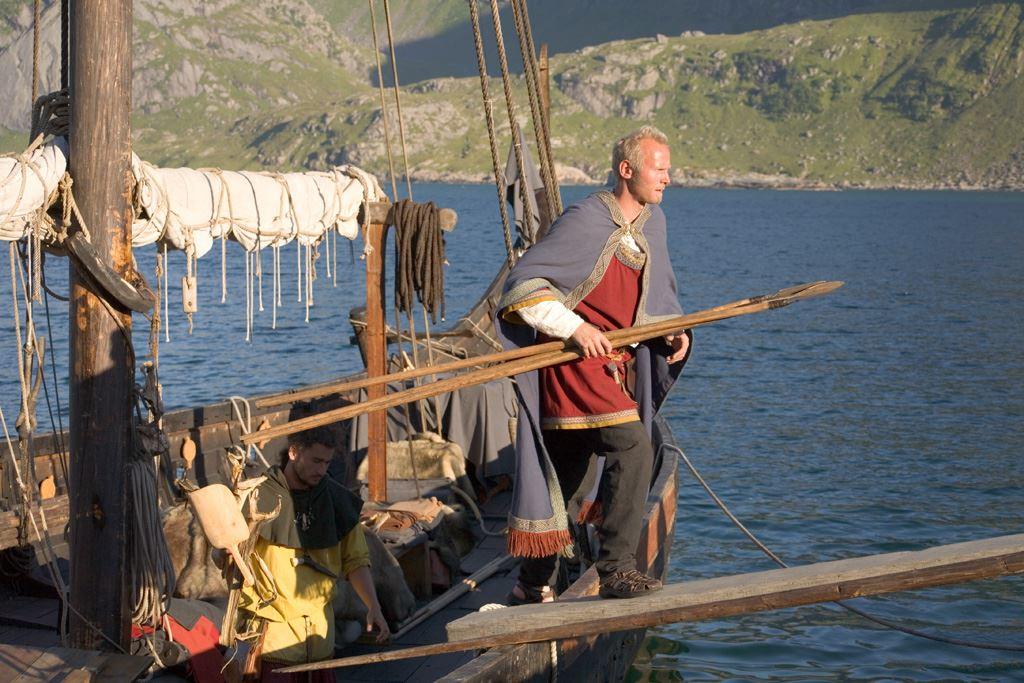
  • A replica of a viking boat in a fjord
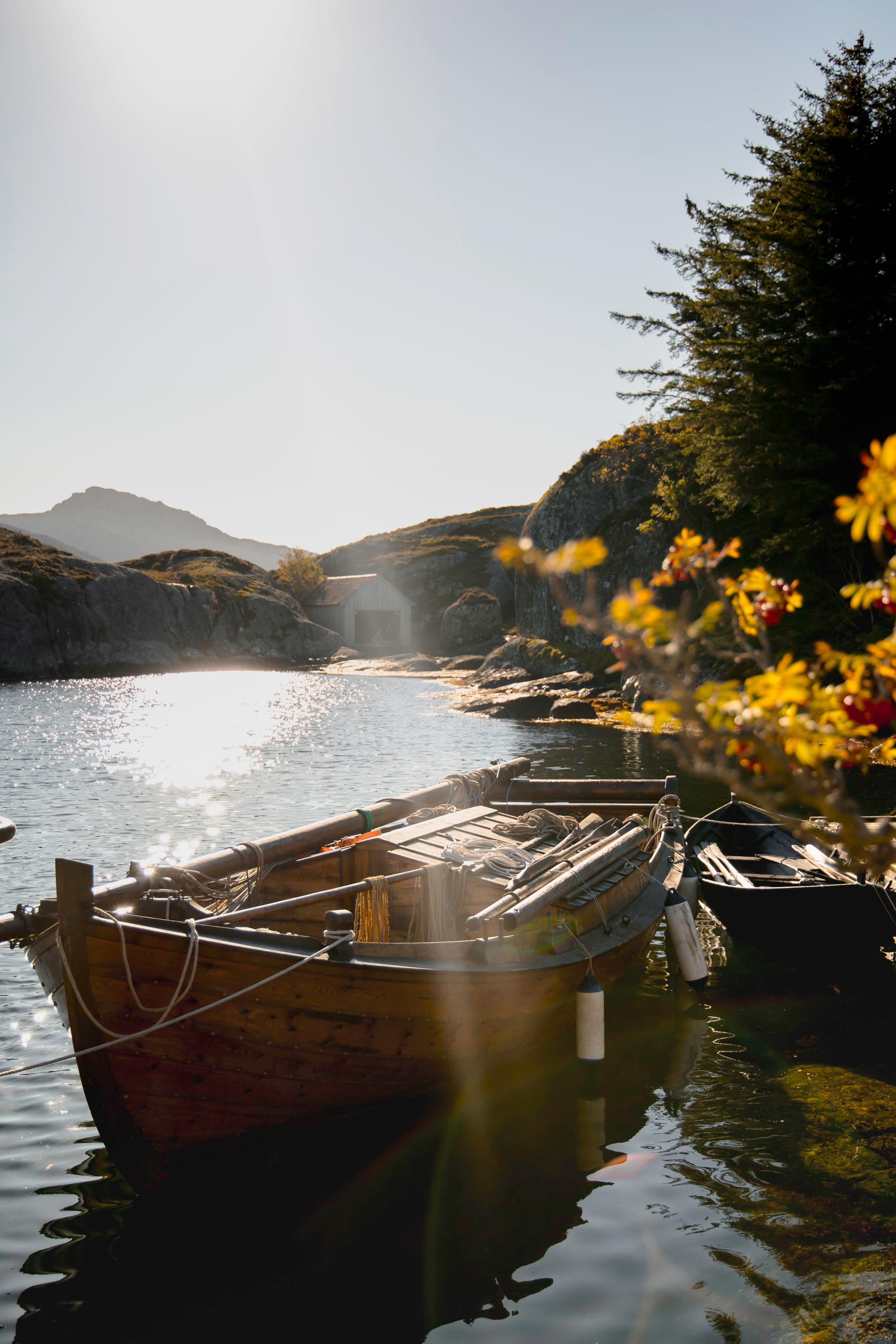
  • A person in a rowing boat in crystal clear water. Helgeland, Northern Norway.

De los barcos vikingos al fútbol

La referencia a los vikingos y al remo no es un simple disfraz ni un recurso llamativo, forma parte de nuestra esencia.

En la época vikinga, los marineros escandinavos recorrían grandes distancias en barco. Sus embarcaciones estaban diseñadas para ofrecer velocidad, flexibilidad y resistencia; utilizaban las velas cuando el viento lo permitía y los remos cuando se necesitaba fuerza muscular. En ellas se transportaban personas, animales y todo tipo de mercancías a lo largo de las costas, río arriba y por mar abierto hacia destinos lejanos.

Alrededor del año 1000, los exploradores nórdicos liderados por Leif Erikson navegaron y remaron hacia el oeste desde Groenlandia, y se convirtieron en los primeros europeos de los que se tiene constancia en llegar a Norteamérica. Atracaron en un lugar al que llamaron Vinland, probablemente en lo que hoy es Terranova, en Canadá. Una hazaña asombrosa de navegación, construcción naval, valentía y mucho, mucho remo.

Así que cuando los aficionados noruegos se sientan y reman al unísono, en realidad están conectando con un poderoso vínculo histórico basado en la tripulación, el ritmo y un objetivo compartido.

Por eso también funciona tan bien como cántico de fútbol. Un equipo, una grada y un barco dependen de lo mismo: la coordinación y una determinación férrea por seguir avanzando, incluso en mares agitados.

The Myklebust Viking ship in Nordfjord from above.

Curiosidades futbolísticas

Los vikingos auténticos necesitan una buena alimentación: Noruega envió 300 kilos de salmón y 116 kilos de brunost (queso marrón) a la base de la selección noruega para el Mundial.

Remar para pescar y comerciar

Mucho después de la época vikinga, el remo siguió formando parte de la vida cotidiana de los noruegos. A lo largo de la costa, las embarcaciones abiertas llevaban a pescadores de todo el país hasta algunas de las aguas más ricas de Europa.

En el Norte de Noruega, la pesquería de las Lofoten se convirtió en un referente emblemático. Durante más de mil años, los pescadores navegaban y remaban en invierno, a menudo en barcos abiertos, para capturar el skrei, el bacalao que migra a las costas de las Lofoten, Vesterålen y el resto del norte del país entre febrero y abril.

Las travesías eran duras, frías y peligrosas, y se hacían porque el mar proporcionaba alimentos, ingresos y conexión. La industria pesquera dio forma a las comunidades costeras, las rutas comerciales, los ritmos estacionales y la identidad noruega. De hecho, se dice que el skrei fue el pez que sentó las bases de Noruega y que dio origen a ciudades comerciales como Trondheim y Bergen.

Remar era trabajar, sobrevivir y participar en una de las grandes tradiciones compartidas de la costa noruega.

  • Stockfish of skrei
  • Man kissing an Arctic cod on a fishing trip
  • A Viking ship sailing on sea.

El fiordo era una vía de transporte

Incluso la palabra noruega fjord cuenta una historia de viajes: proviene del nórdico antiguo fjorðr, que significa «ir», «pasar» o «cruzar». Los barcos de remo estaban por todas partes.

Hoy en día, la gente que visita el país suele ver los fiordos como paisajes espectaculares: montañas escarpadas, aguas tranquilas, cascadas y pequeñas granjas afincadas en las laderas verdes. Sin embargo, para los noruegos a lo largo de los siglos también fueron rutas de comunicación esenciales.

Los fiordos conectaban a personas separadas por montañas y las embarcaciones podían unir comunidades a las que, de otro modo, resultaba peligroso llegar a pie.

The Myklebust Viking ship sailing at the fjord in Nordfjord.

Únete al remo vikingo

El cántico resulta alegre porque condensa gran parte de la historia de Noruega en un gesto divertido y compartido.

Y quizá ahí esté el secreto. Remar es una de las formas más simples de unión: todos miran en la misma dirección y se mueven al unísono.

Para una nación costera, ese sentimiento está muy arraigado. Noruega se construyó gracias a personas que conocían el agua, el clima, los barcos y los remos. Remábamos porque el agua era una forma de vida.

Lo llevamos en la sangre y forma parte de nuestro espíritu noruego.

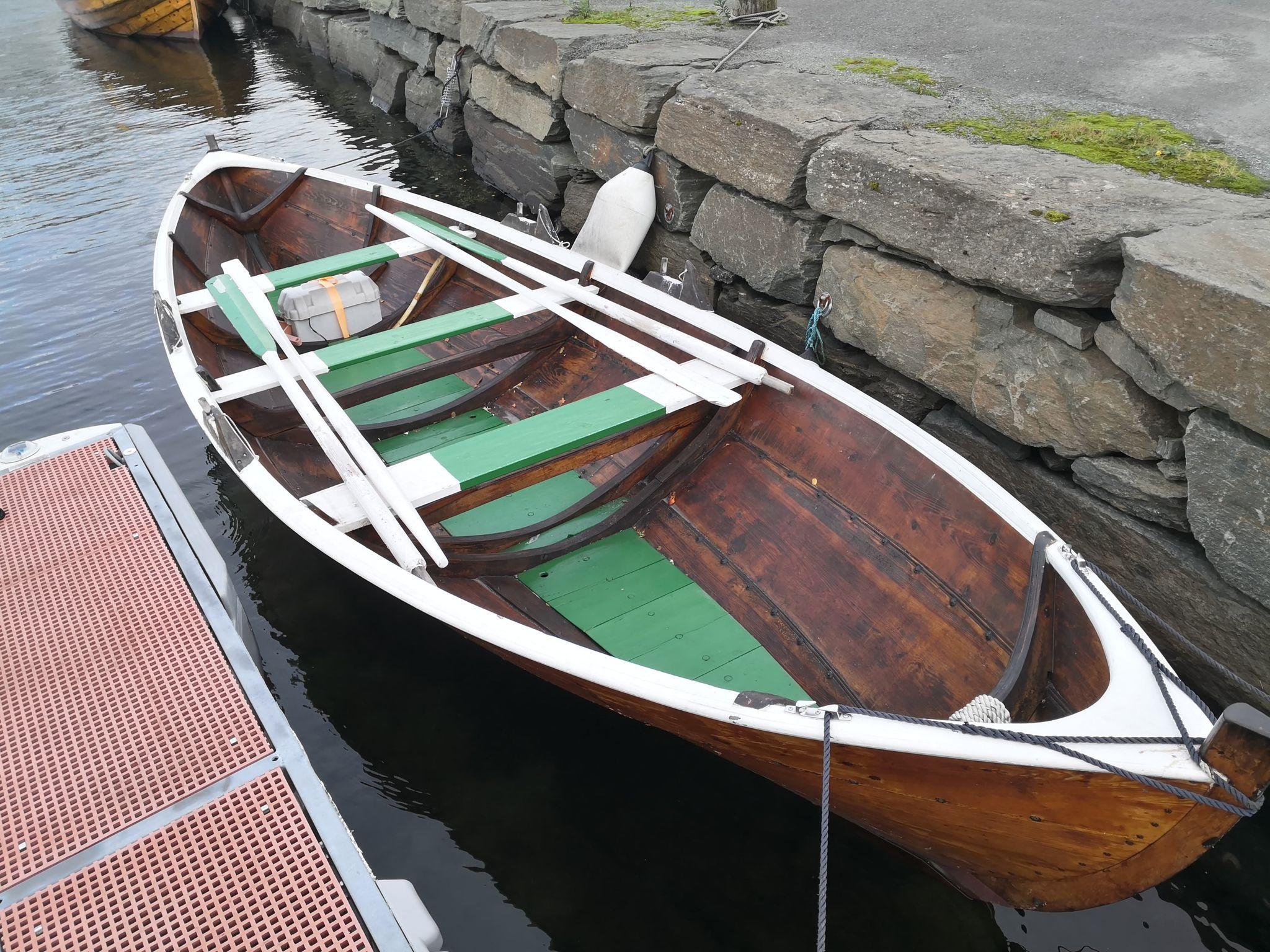
Descubre cómo era alquilando una barca de remos en uno de los muchos lagos y fiordos de Noruega. Pon a prueba tu fuerza, perfecciona la técnica y disfruta del maravilloso silencio de la naturaleza.

¡Ven y vive en primera persona el espíritu vikingo!

A woman rowing a boat in Norway

Rema, rema, rema tu barca

…en un lago tranquilo, en un barco histórico o incluso en uno vikingo.

  • Row the Viking Ship at Lofotr Viking Museum!
    Bøstad

    Row the Viking Ship at Lofotr Viking Museum!

    A rowing trip with the ship is a unique experience, where you have to learn how to keep the time to get forward. Maybe the chieftain himself stands by the rudder...?
  • Rowboat rental in Risør
    Risør

    Rowboat rental in Risør

    Rent a rowing boat in idyllic Risør!
  • Row in harmony with nature – experience Jølstravatnet in a traditional wooden boat
    Skei I Jølster

    Row in harmony with nature – experience Jølstravatnet in a traditional wooden boat

    Row an authentic færing on Jølstravatnet or Kjøsnesfjorden – with a guide or on your own. A unique experience in the beautiful nature of Western Norway.
  • Hire a rowing boat in Haugesund near Dokken Museum
    Haugesund

    Hire a rowing boat in Haugesund near Dokken Museum

    Borrow a rowing boat from Dokken Museum and explore Haugesund from the sea. The offer is free and available from mid-June to mid-September.
  • Rent a rowing boat - Bokn
    Bokn

    Rent a rowing boat - Bokn

    Rent a rowing boat for free at Bokn and explore the surroundings from the sea.
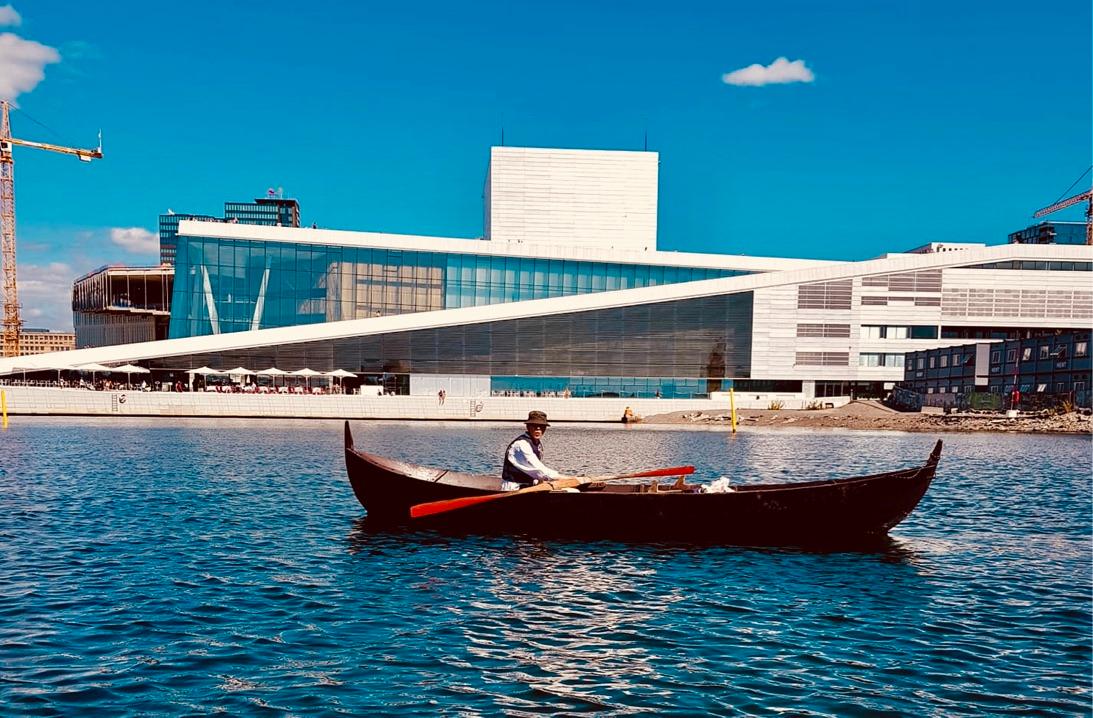
  • Færing boat in front of the Opera House
    Oslo

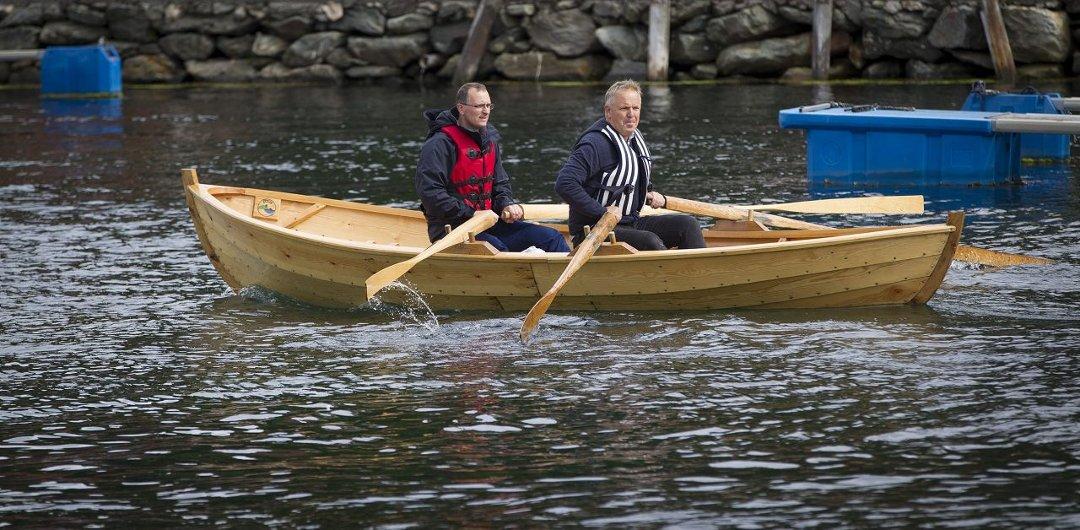
    Åretak- Viking Rowboat Rental

    Rent a færing, a traditional Norwegian rowboat, and explore the Oslo fjord like a true Viking! The boats can be rented by messaging or calling +47 92 68 89 35. More info on Åretak's website. Each boat seats three to four persons, and everyone on board has to be wearing a life vest, which are provided. Fundamental rowing skills are required. Welcome!
  • Robåtutlån Verven Lillesand
    Lillesand

    Rowing boat loan Verven Kystkultursenter

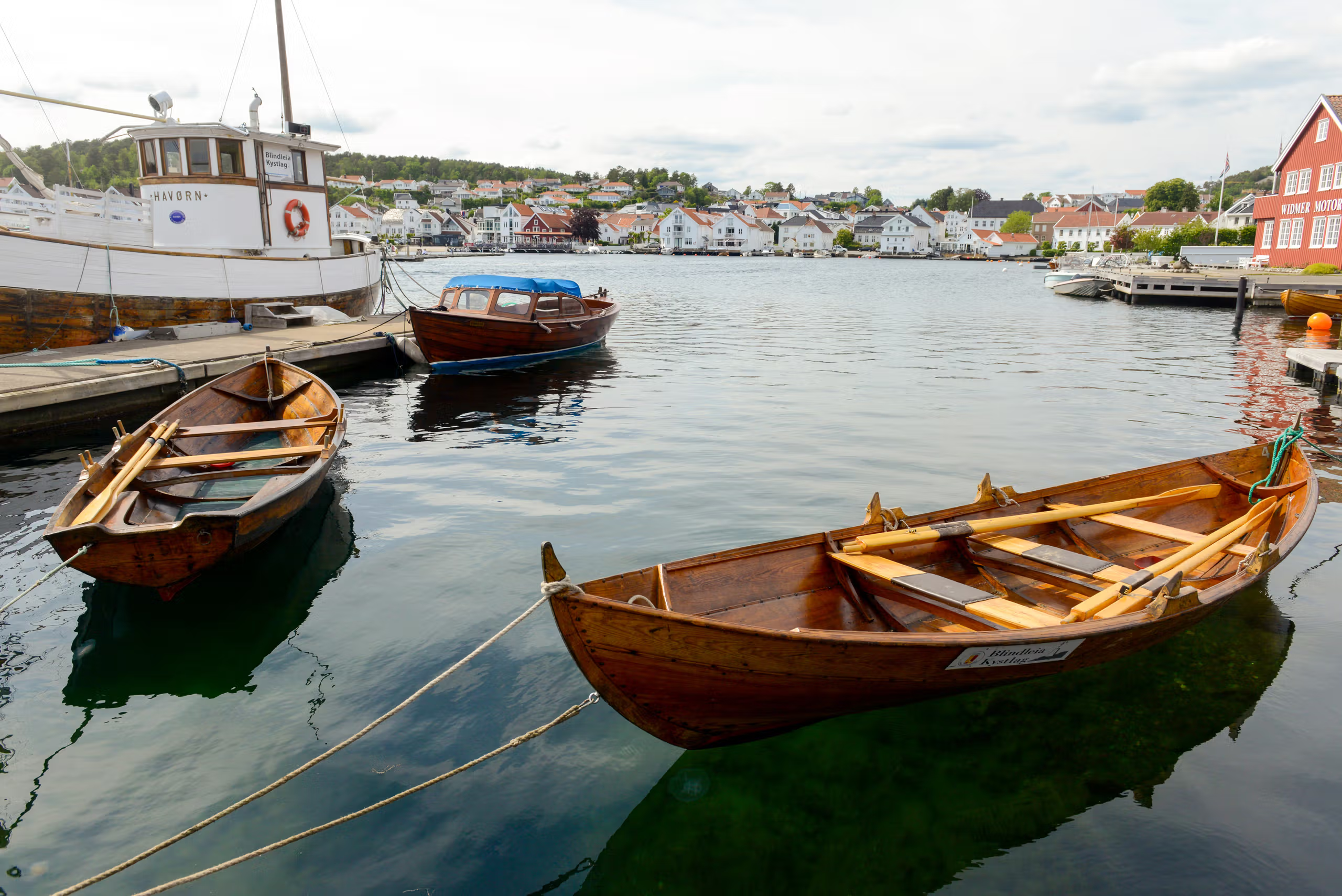
    "Lillesand should be seen from a boat", say the wooden boat enthusiasts in Blindleia Kystlag.

Experiencias vikingas

Descubre más sobre la cultura vikinga. Aquí tienes algunas de las mejores experiencias.
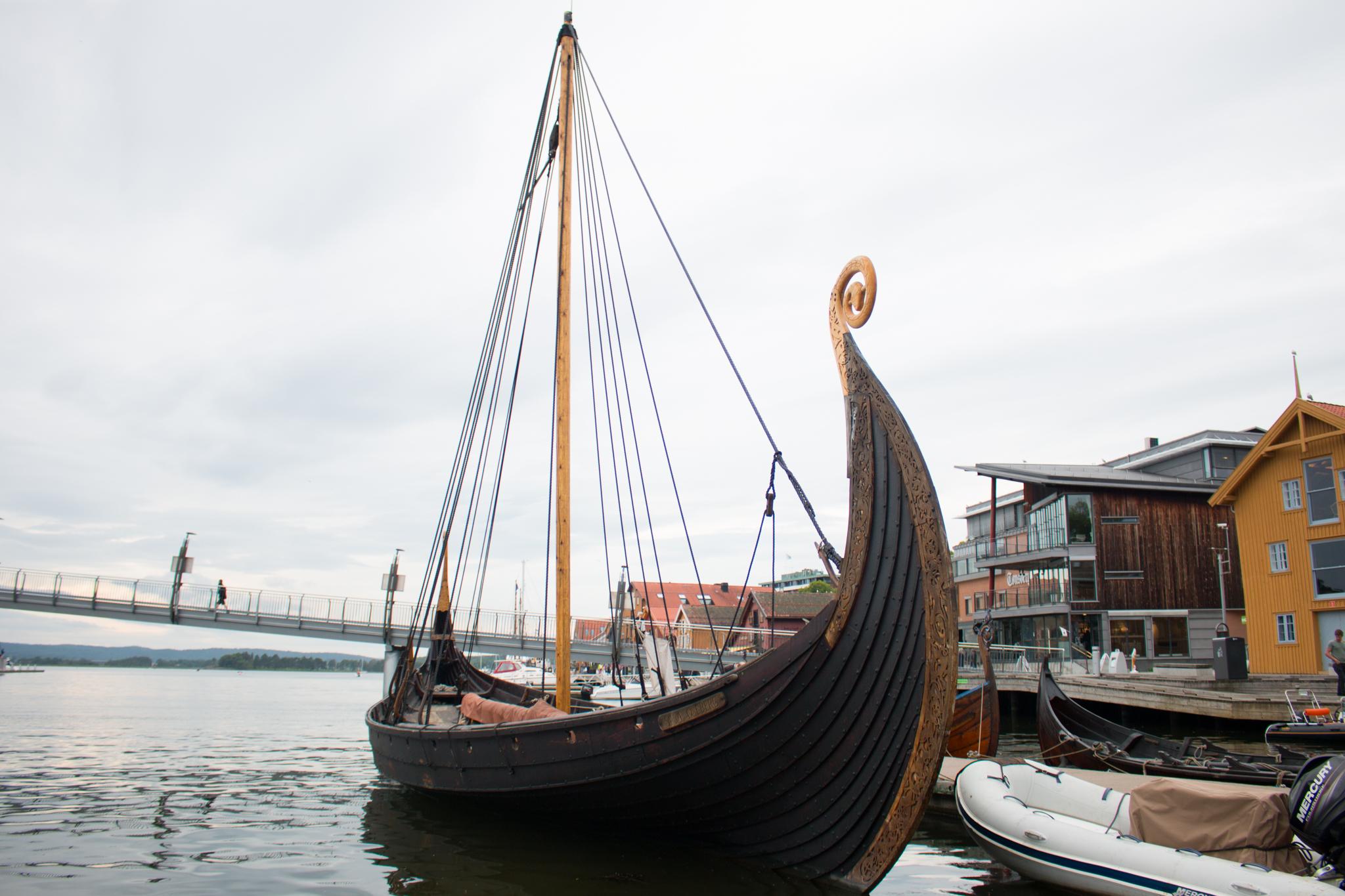
  • Saga Oseberg lying by the pier in Tønsberg
    Tønsberg

    Vikingodden

    The world's most important find from the Viking Age was made just outside Tønsberg in 1904, the famous Oseberg ship.
  • Viking House
    Stavanger

    Viking House

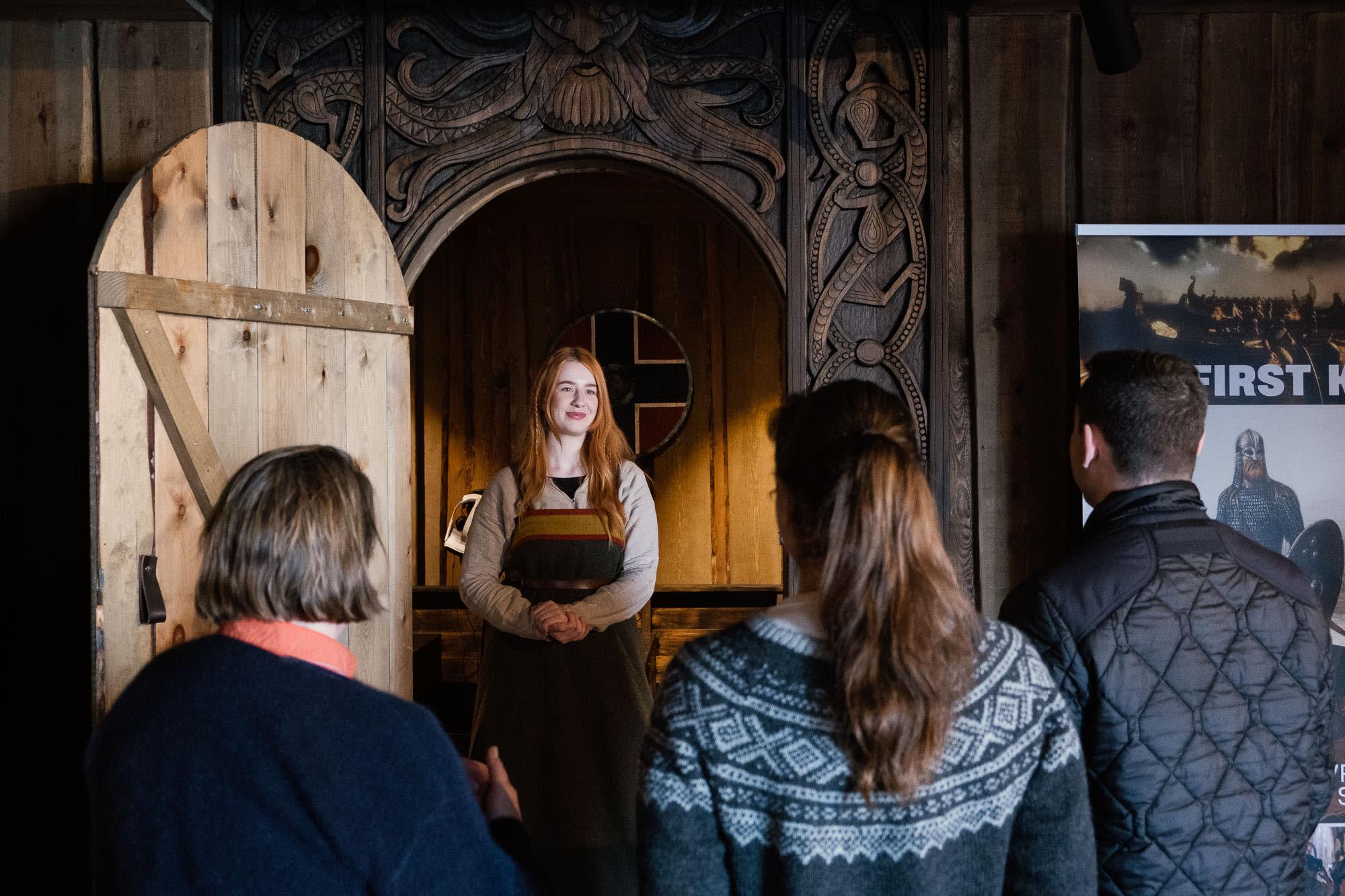
    Viking House is a groundbreaking concept. A Virtual reality-based world-class visitor centre conveys the Viking history of the Stavanger region.
    Reservar
  • The Viking Planet Haugesund
    Haugesund

    The Viking Planet Haugesund

    The Viking Planet is a digital museum in the centre of Haugesund that tells the local Viking history. Suitable for both children and adults.
    Reservar
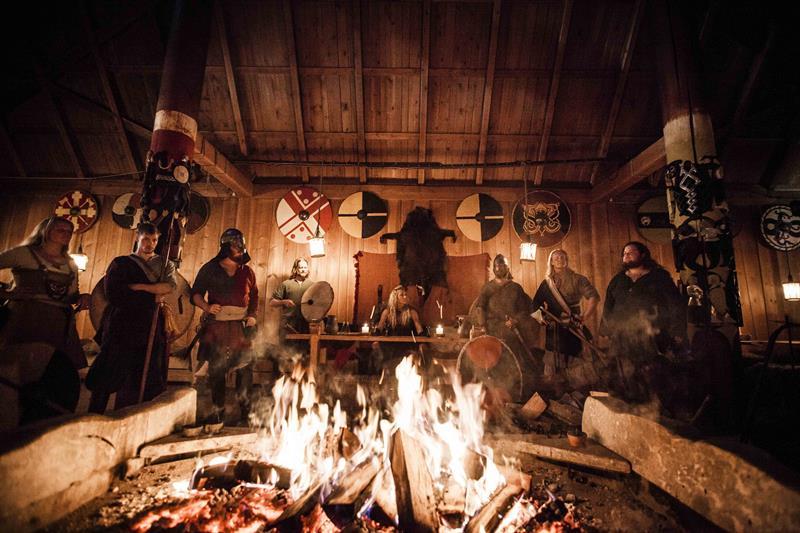
  • Party around a fire, in Viking costume
    Borre

    Midgard Viking Centre

    Midgard Viking Centre was opened in 2000 with the purpose of promoting Vestfold's Viking heritage.
  • Man on Viking ship
    Tønsberg

    The Viking Ship Saga Oseberg

    The world's most important discovery from the Viking era was made just outside Tønsberg in 1904 - The discovery of the famous Oseberg viking ship.
  • "Viking Summer" at Stiklestad
    Verdal

    "Viking Summer" at Stiklestad

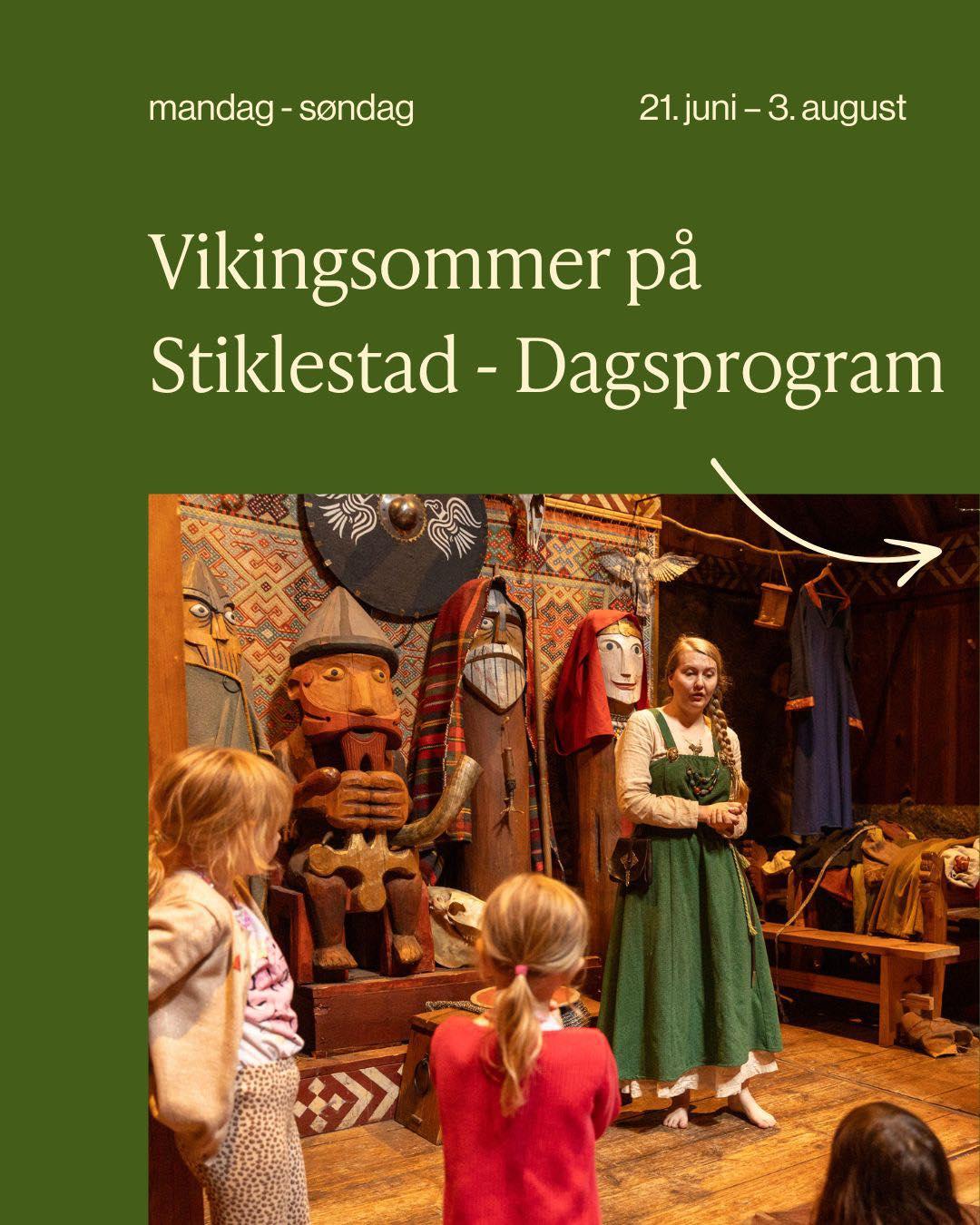
    Play like the vikings! Experiences for the whole family. At the medieval farm Stiklastadir, the children can join the play battle, you can shoot with a bow and arrow and visit the Vikings' longhouse; Stiklastadir. Join our guides on a guided tour of Stiklestad, experience historical exhibitions and enjoy a good meal in the restaurant. The summer program at Stiklestad runs from 21.6 - 3.8 2025 Daily Programme: (See full schedule and area map on-site) Guided tours (in Norwegian and English) Storytelling about Norse gods Historical theatre for children and adults “The Viking Mock Battle” – fight like a Viking with sword and shield Feeding the animals (pigs, sheep, chickens) Try Viking crafts, archery, and traditional games Historical exhibitions and interactive experiences Reenacted Viking burial ceremony Exciting walking theatre: “Return – Recipient Unknown” Family-friendly museum café and play areas ️ Stiklastadir – the Viking Farm: This living farm bustles with activity—outdoors and indoors. Meet the animals, test your strength and agility in Viking games, learn traditional crafts, and dress up like a Viking for a photo! The Longhouse: Step inside the ceremonial hall and living quarters to hear stories from the Viking Age—especially the events leading up to the Battle of Stiklestad. The Guest Loft: Discover how the Battle of Stiklestad shaped Norwegian history through captivating tales. ⚔️ The Viking Mock Battle: Join the peasant army or the king’s men and take part in a fun and safe mock battle. For children age 5 and up. Viking Games: Try archery, ride Thor’s wagon, navigate the pilgrimage labyrinth, and more. Viking clothes and gear available for photos. Storytelling: Learn about the old Norse gods—Thor, Odin, and the rest—through interactive storytelling sessions. Traditional Building: Our skilled craftspeople are constructing Stuggu, a new timber building using medieval techniques. ⚰️ Viking Burial Ceremony: Take part in a reenactment of a noble Viking burial—maybe even as a volunteer! Viking Food: Discover Viking food traditions. Inside the longhouse, we serve Viking-style sausages, drinks, and more. The Folk Museum: 30 historic buildings from the 1600s–1800s create a charming setting for fun and learning. Molåna Café: Enjoy coffee, cake, waffles, and juice served by friendly hosts in period clothing. Feeding the Animals: Join us in caring for the farm’s animals—always a highlight for the kids. Children’s Farmyard & Shop: At Vegvoktertunet, little ones can play with wooden animals, jump rope, and listen to old-time stories from our staff. “Return – Recipient Unknown” This brand-new walking theatre follows a postman delivering letters that never reached their destination. Travel through time and discover dramatic, romantic, and historic tales from Verdal (1813–1952). Ingvaldsengården: See our digital exhibit “The Bench” and meet the traditional craft of building preservation. Guided Tours: Join guided tours tailored for both adults and children. Learn the story of Saint Olav and the famous Battle of Stiklestad. ️ Exhibitions in the Main Building: “Stiklestad 1030” – Explore the shift from Norse beliefs to Christianity. “Stories of the Saint King” – Discover Saint Olav’s life and legacy. NEW: “In the Footsteps of Saint Olav” – A look at Olav’s sainthood and the history of pilgrimage. NEW: “Borderlands – Gaskelaante” – How has climate change shaped landscapes and heritage? Explore using VR and 3D. Mini-exhibit: “Stiklestad for the Next Thousand Years” – Learn about the future main exhibition and how it's co-created. ⛪ Stiklestad Church: Believed to stand on the very site where Olav Haraldsson fell in 1030. Open 1 July – 15 August from 11:00–18:00. Cultural Centre: Here you’ll find ticket sales, information, exhibitions, the Skalden restaurant, and Scandic Stiklestad Hotel. ️ Ticket Info: Entry to Stiklastadir, the folk museum, storytelling, tours, and exhibitions is included in the day pass. Adults: NOK 225 online / 250 on-site Children accompanied by adults: Free Youth (13–18): Free Stiklestad Card holders: Free Scandic Stiklestad also has hotel packages (accommodation at Scandic Stiklestad + day ticket Viking Summer). Book at stiklestad.no, call 740 44200 or book here with the booking code 380VIKING.. Welcome!
  • The Viking Experience
    Bergen

    The Viking Experience

    Historic venue for hire - either as a complete experience with The Viking Experience, or for other events.
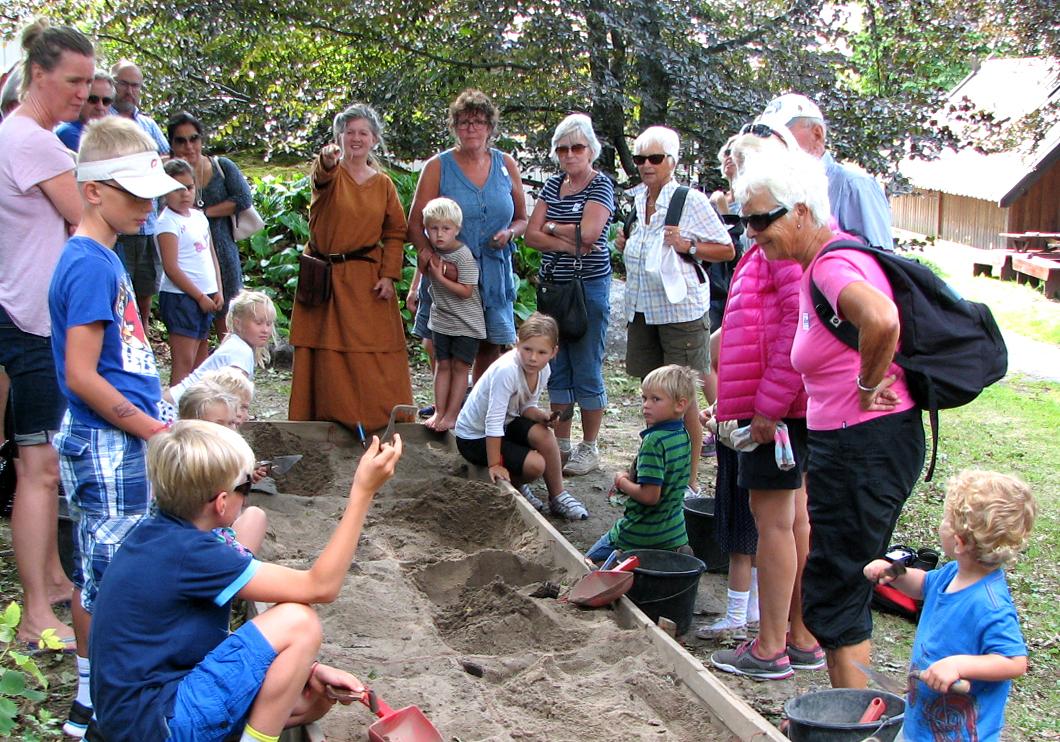
  • Children and adults stand around a sandbox and dig out objects from the Viking Age.
    Larvik

    Kaupang Viking Town

    Kaupang Viking town is open during the summer season. Learn about the history of the Vikings' life in Kaupang town. Learn something new and experience crafts, religion and food culture.
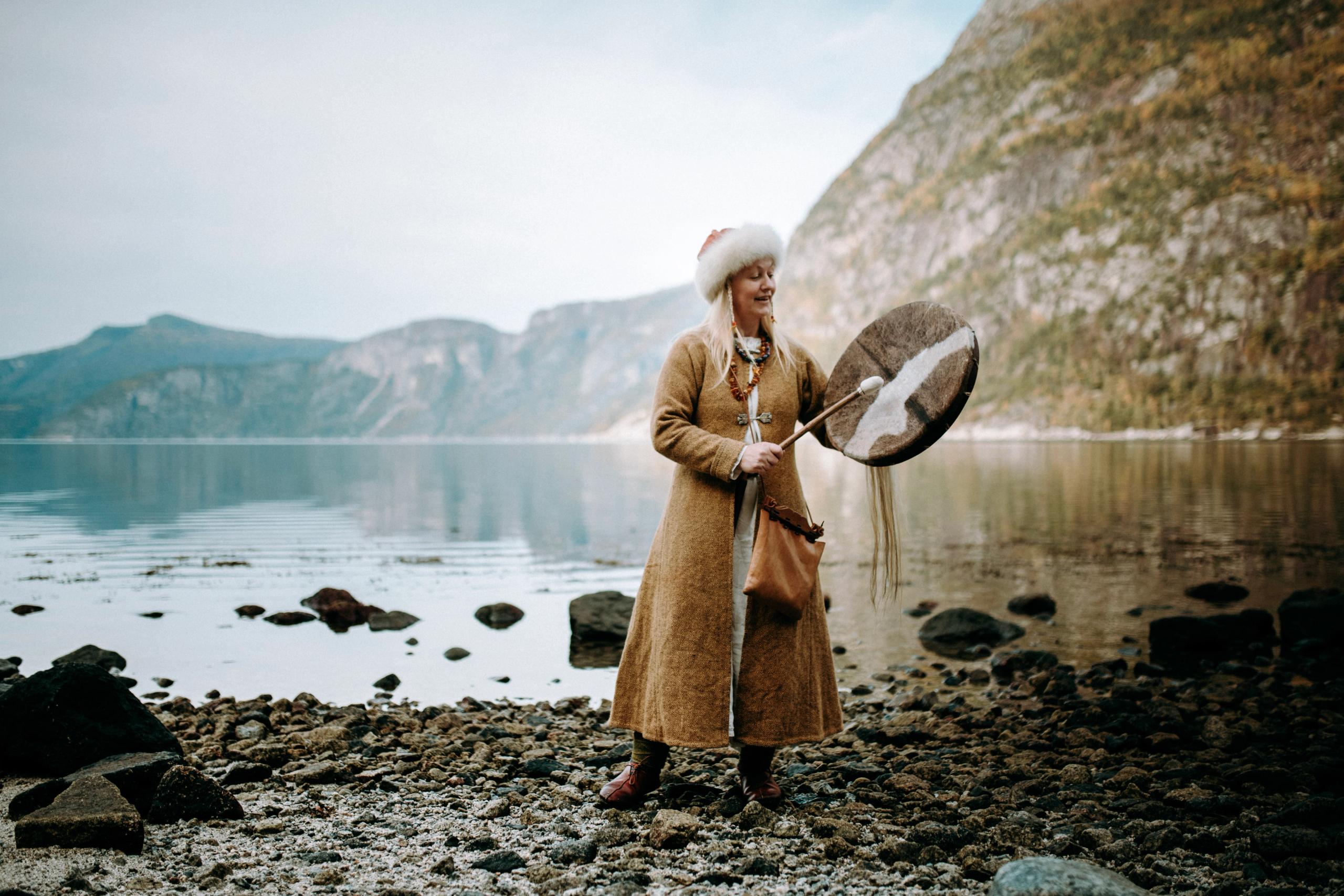
  • A woman dressed as a Viking, standing by the fjord playing a Viking drum.
    Eidfjord

    Viking exhibition

    Are you interested in the daily vikinglife in Hardanger? Do you want to discover more about typical vikingfood, clothes and handcrafts?
    Reservar
  • Viking Village Njardarheimr
    Gudvangen

    Viking Village Njardarheimr

    Viking Valley, Gudvangen - in the heart of the unique UNESCO listed Norwegian fjord landscape - is the setting for the town of Njardarheimr.
  • Njardarheimr Viking Village
    Gudvangen

    Njardarheimr - Gudvangen Viking Village

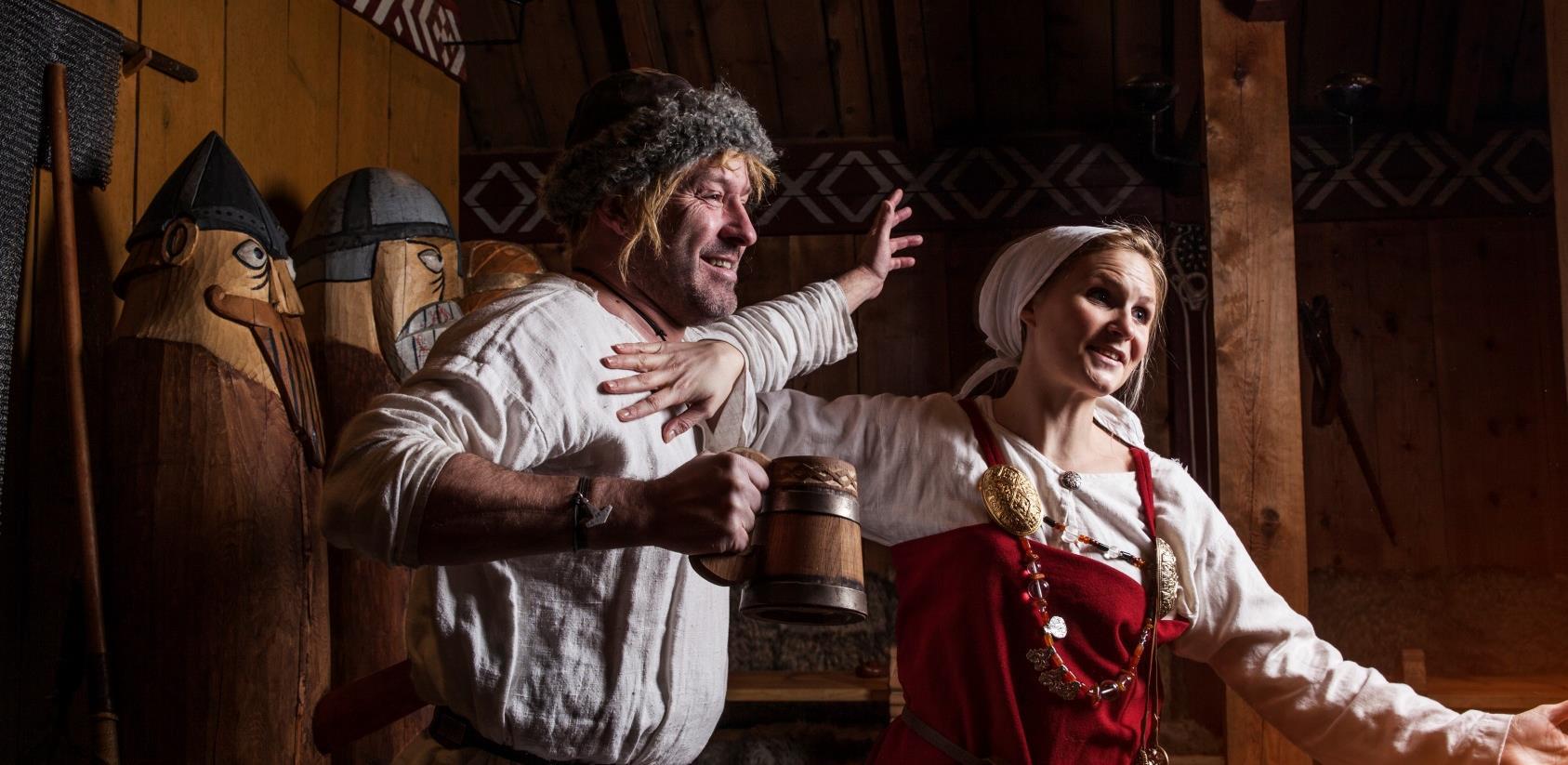
    Travel a thousand years back and experience how it was to be a Viking!
  • Lofotr Vikingmuseum
    Bøstad

    Lofotr Vikingmuseum

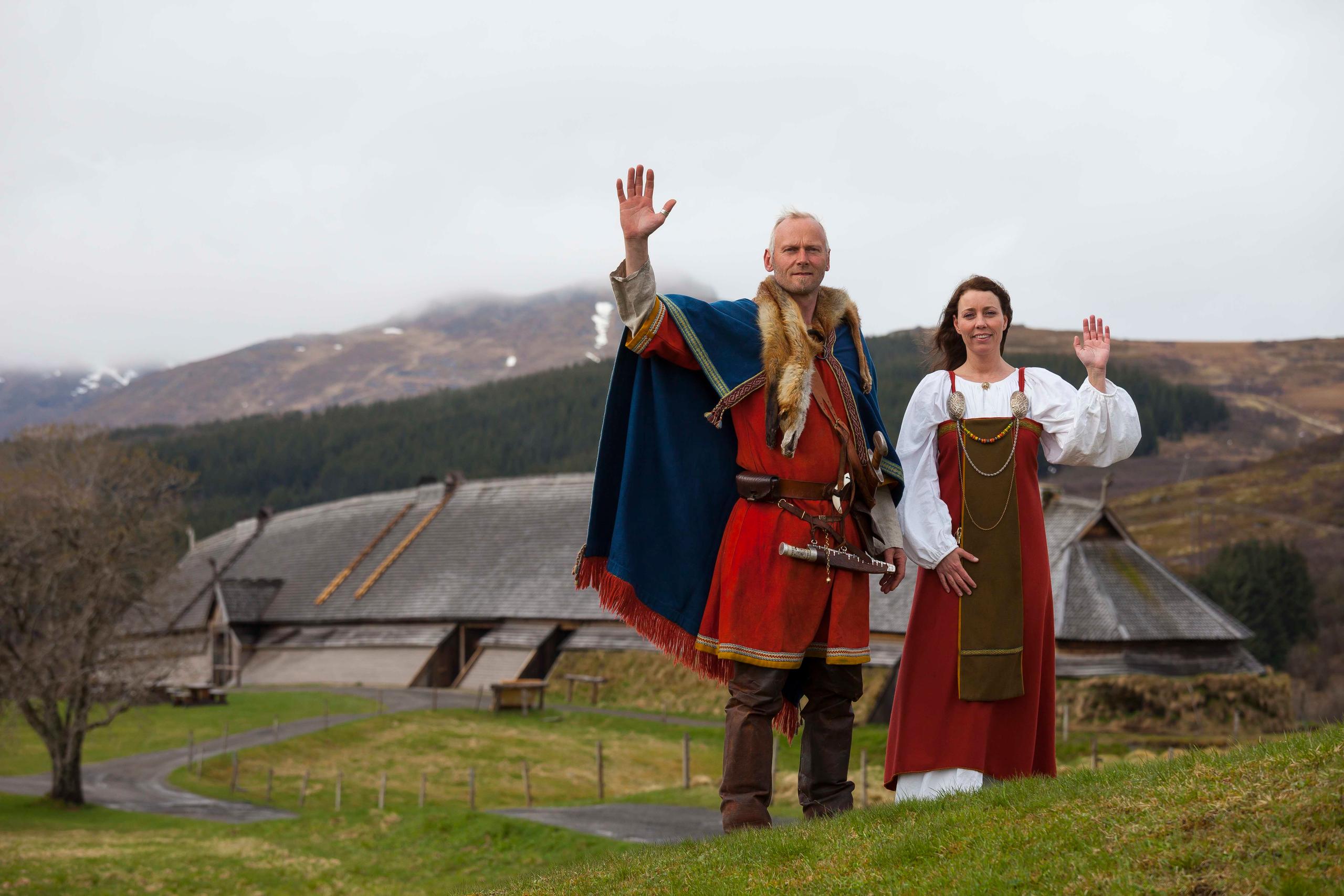
    An Impressive Reconstruction of the Largest Longhouse Found from the Viking Age. During the Iron Age, there were 10-15 chieftain seats in Northern Norway, and one of these was located at Borg in Lofoten. This is the only place where the actual chieftain’s farm has been confirmed. Today, you can experience a living Viking Age environment at the museum in Borg, offering wonderful experiences for the whole family. Learn about the Viking Age and test your Viking skills through games and activities. An impressive reconstruction of the largest longhouse ever found from the Viking Age stands tall at Borg, where the original discovery was made. The chieftain and his wife at Borg were wealthy and powerful, and their house was a staggering 83 meters long! Step inside—smell the tar and the fire, hear the sounds of craftsmen at work, and admire the beautiful decorations and architecture. Step inside—and join us on a journey back in time, more than 1,000 years into the past.
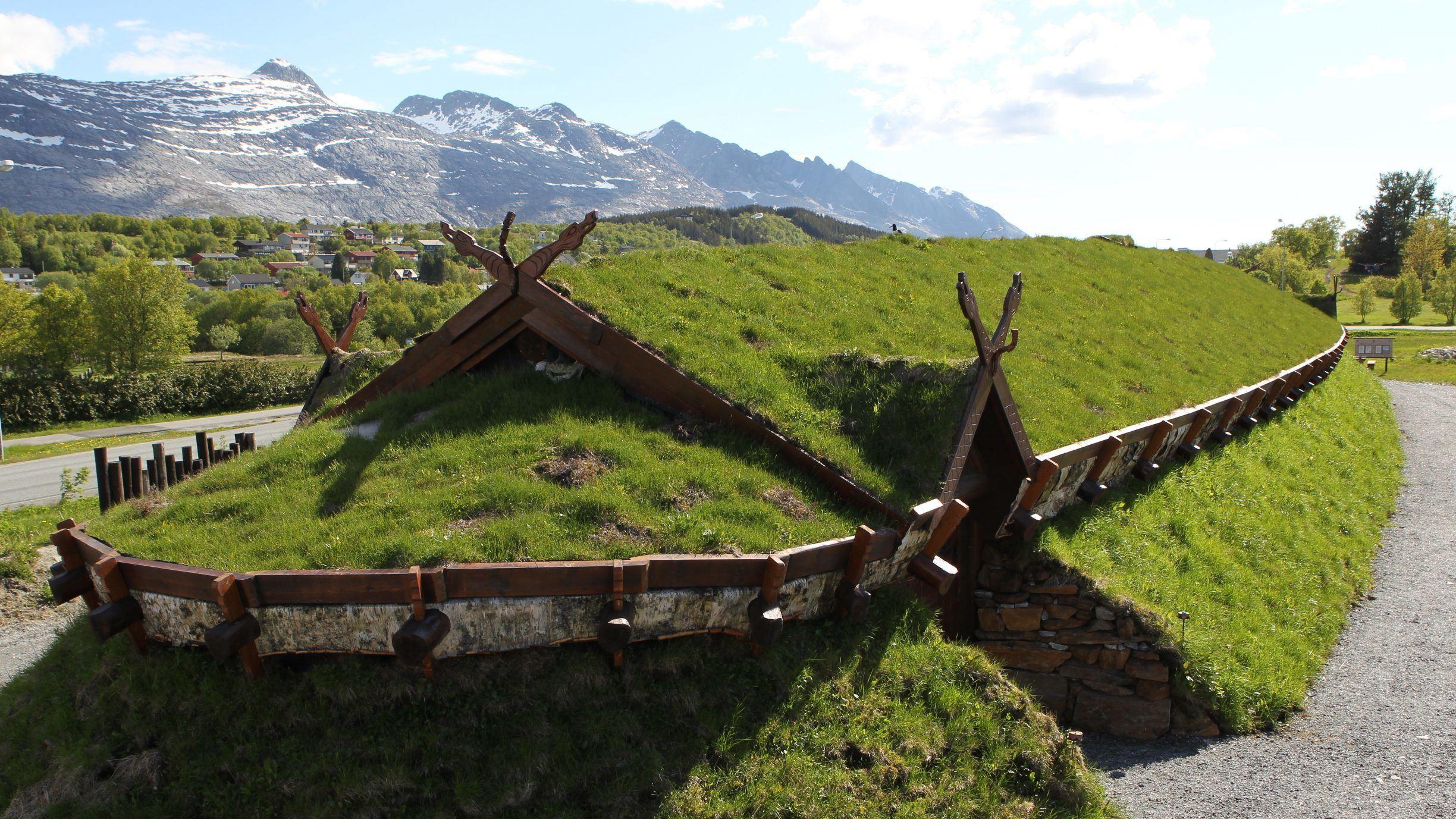
    Reservar
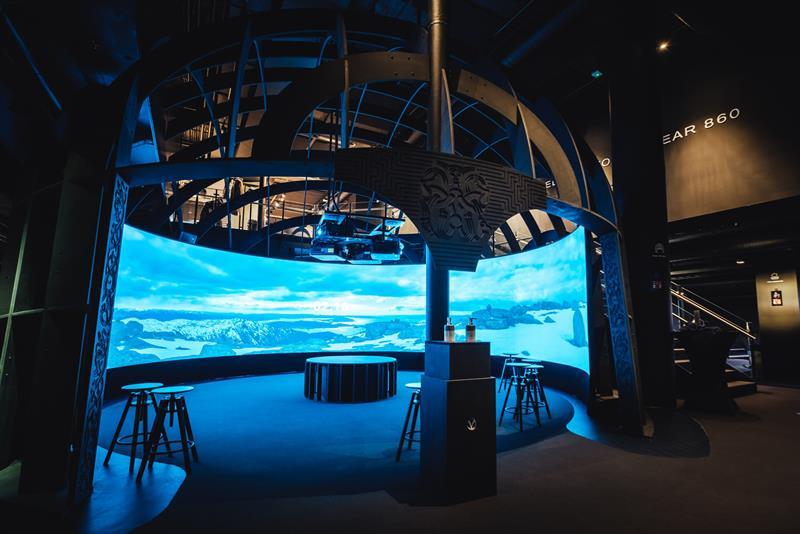
  • SagaScope – a 270-degree film featuring original Viking content and experiences
    Oslo

    The Viking Planet

    Explora la era vikinga con los sentidos en el primer museo vikingo digital de Noruega.
    Reservar
  • The Viking farm at Avaldsnes
    Avaldsnes

    The Viking farm at Avaldsnes

    The Viking Farm is situated on a small island about a 20 minute walk from Nordvegen History Centre, which takes you through a fantastic cultural landscape.
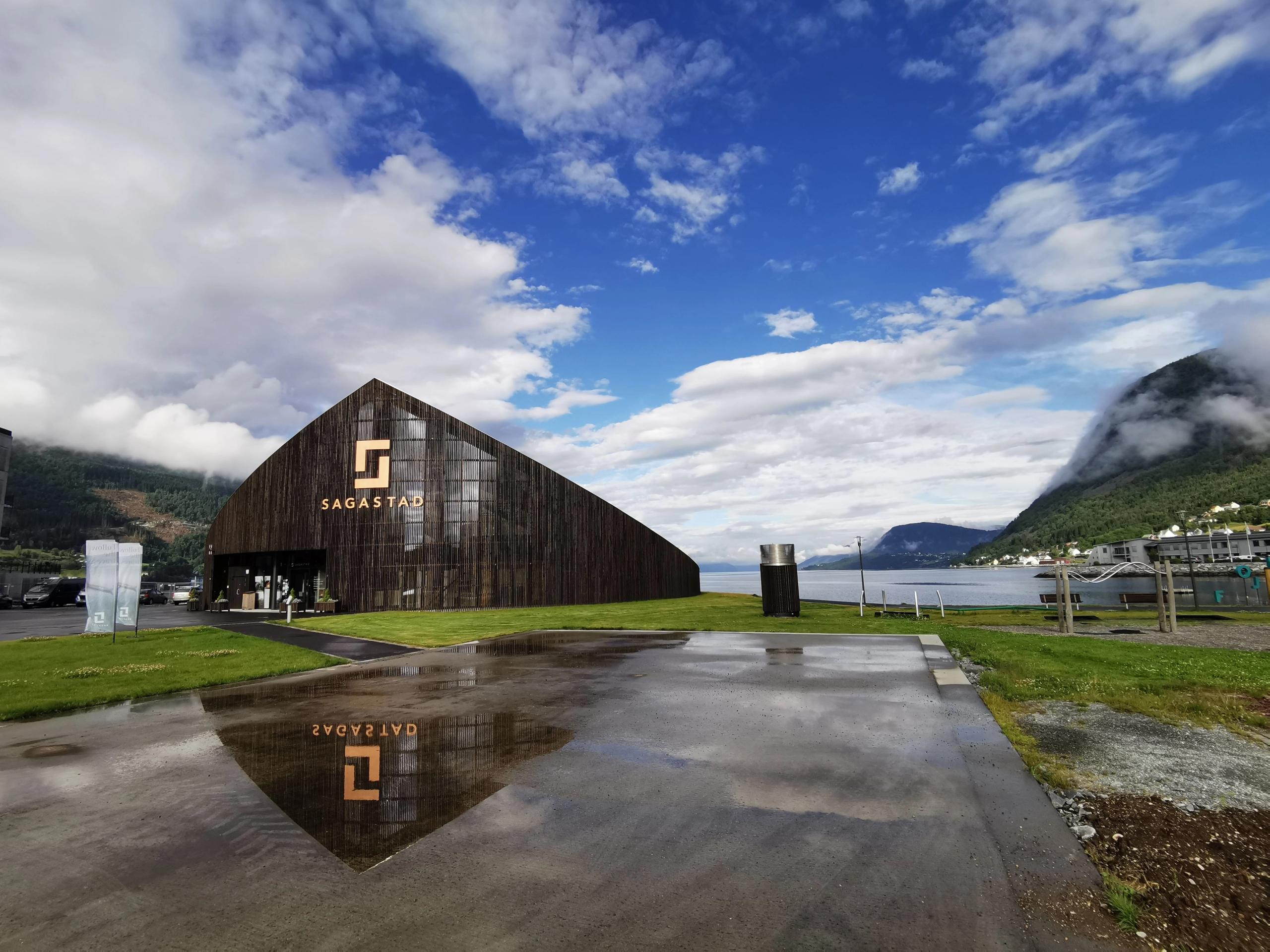
  • Sagastad Viking Center in Nordfjordeid with beautiful views of the fjord and surrounding landscape.
    Nordfjordeid

    Sagastad Viking Center

    Sagastad Viking Center is an exciting experience center for the whole family. Here you can explore Viking history from Nordfjordeid—a story of kings, power struggles, great voyages, mythology, and mysterious rituals.

Típico de Noruega

Conoce el espíritu vikingo, los fiordos y, por supuesto, el brunost, la fuente de energía de la selección noruega de fútbol.
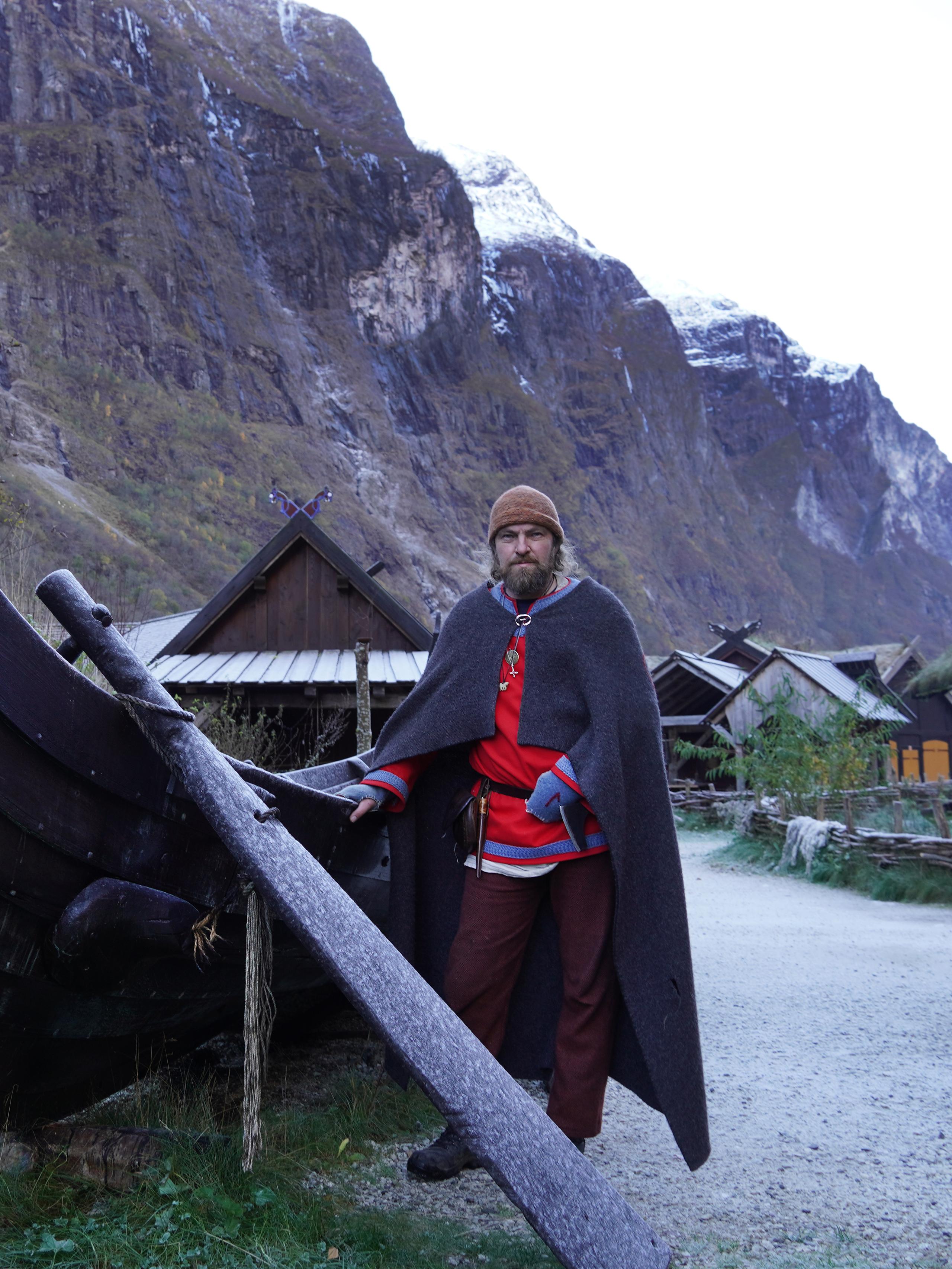
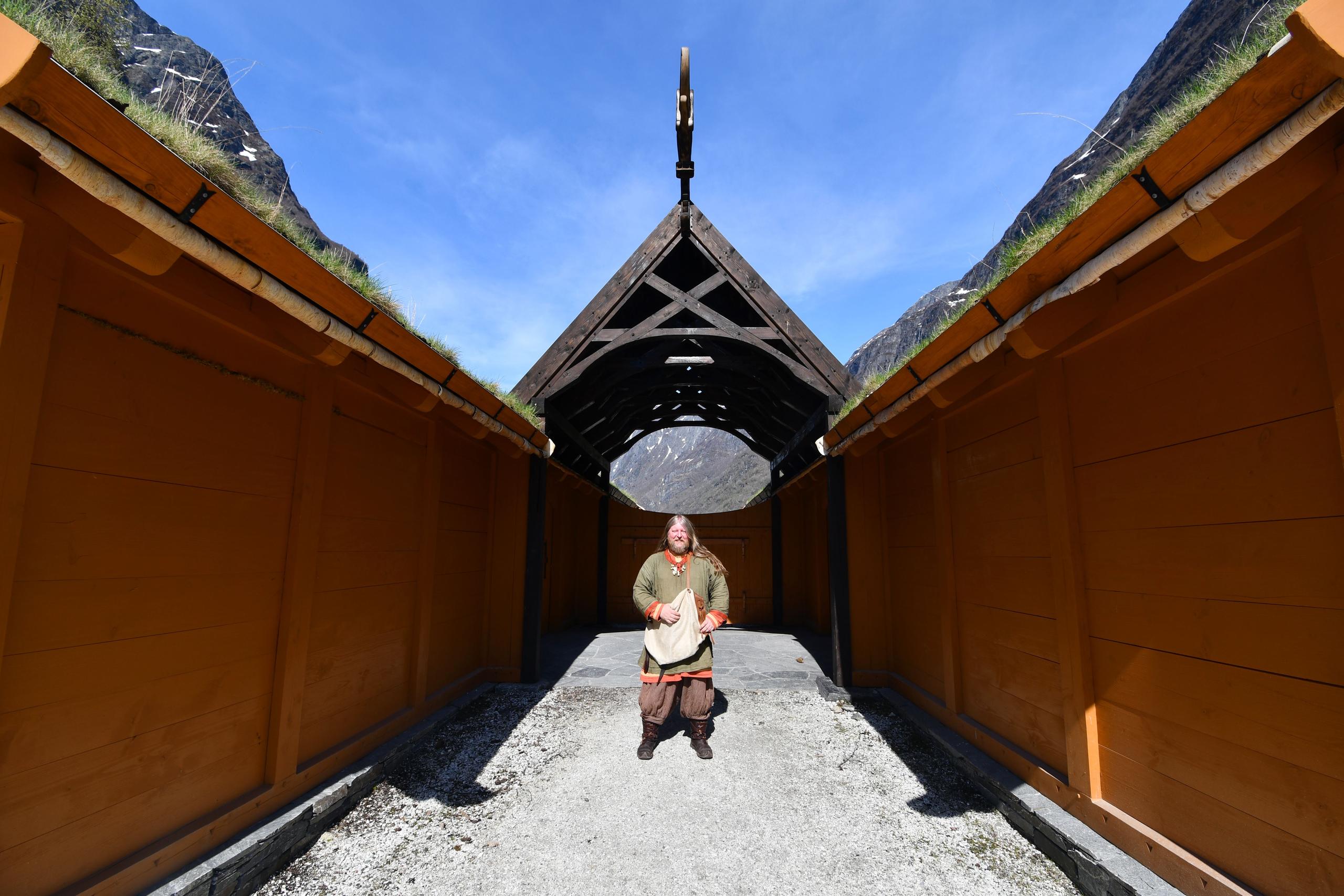
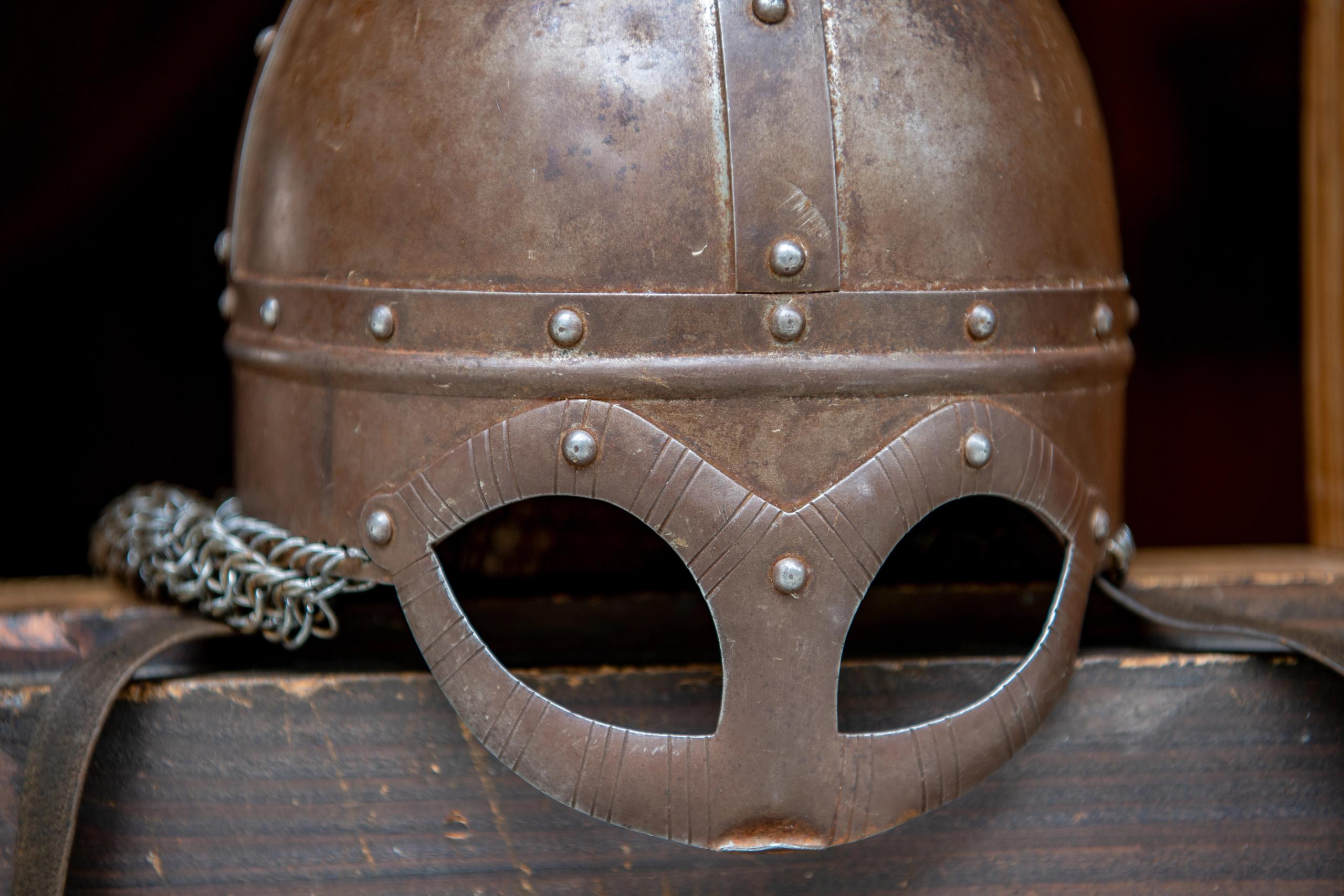
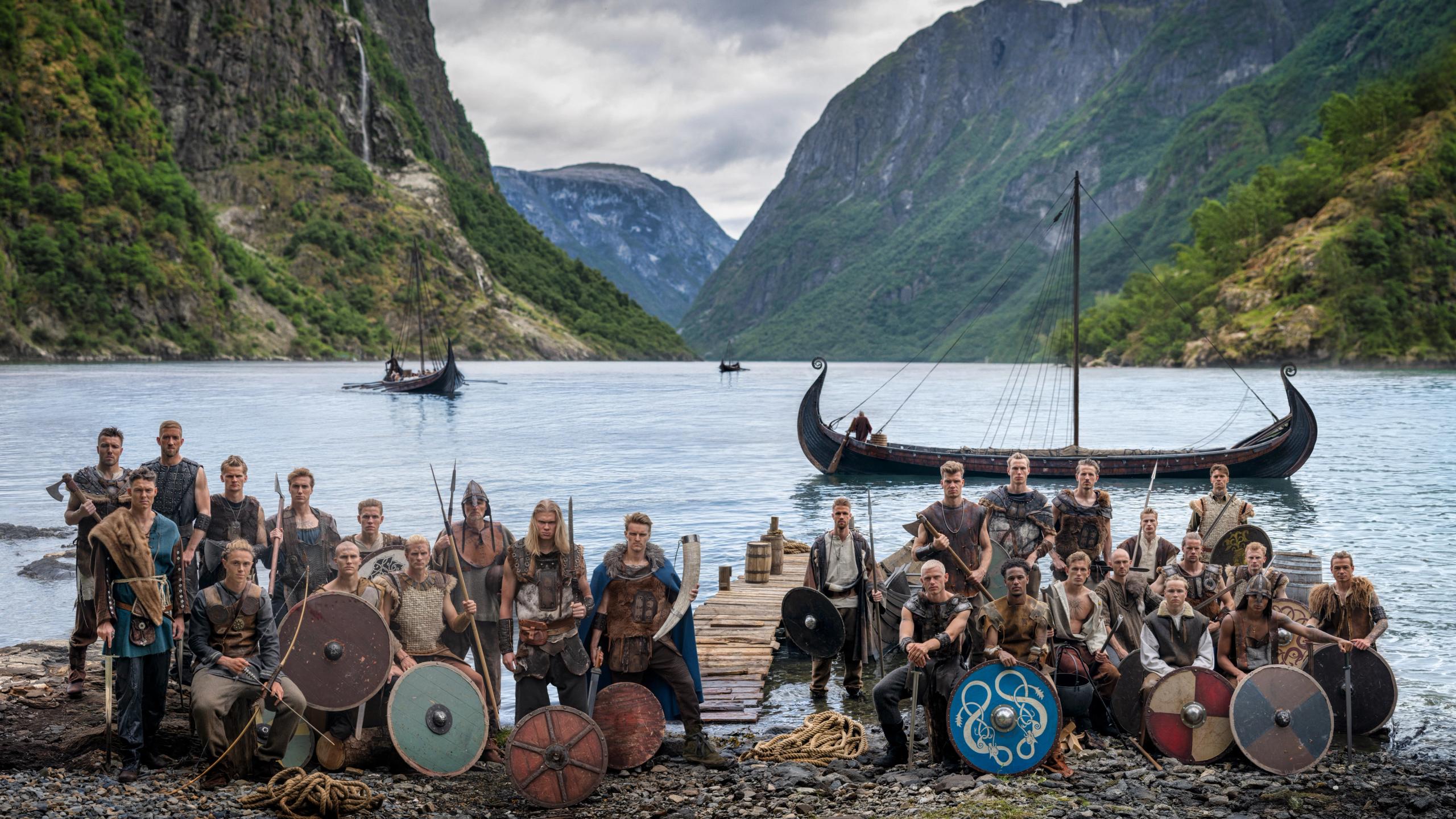
Viking in front of a viking ship in Viking Village in Gudvangen
Los vikingos noruegos
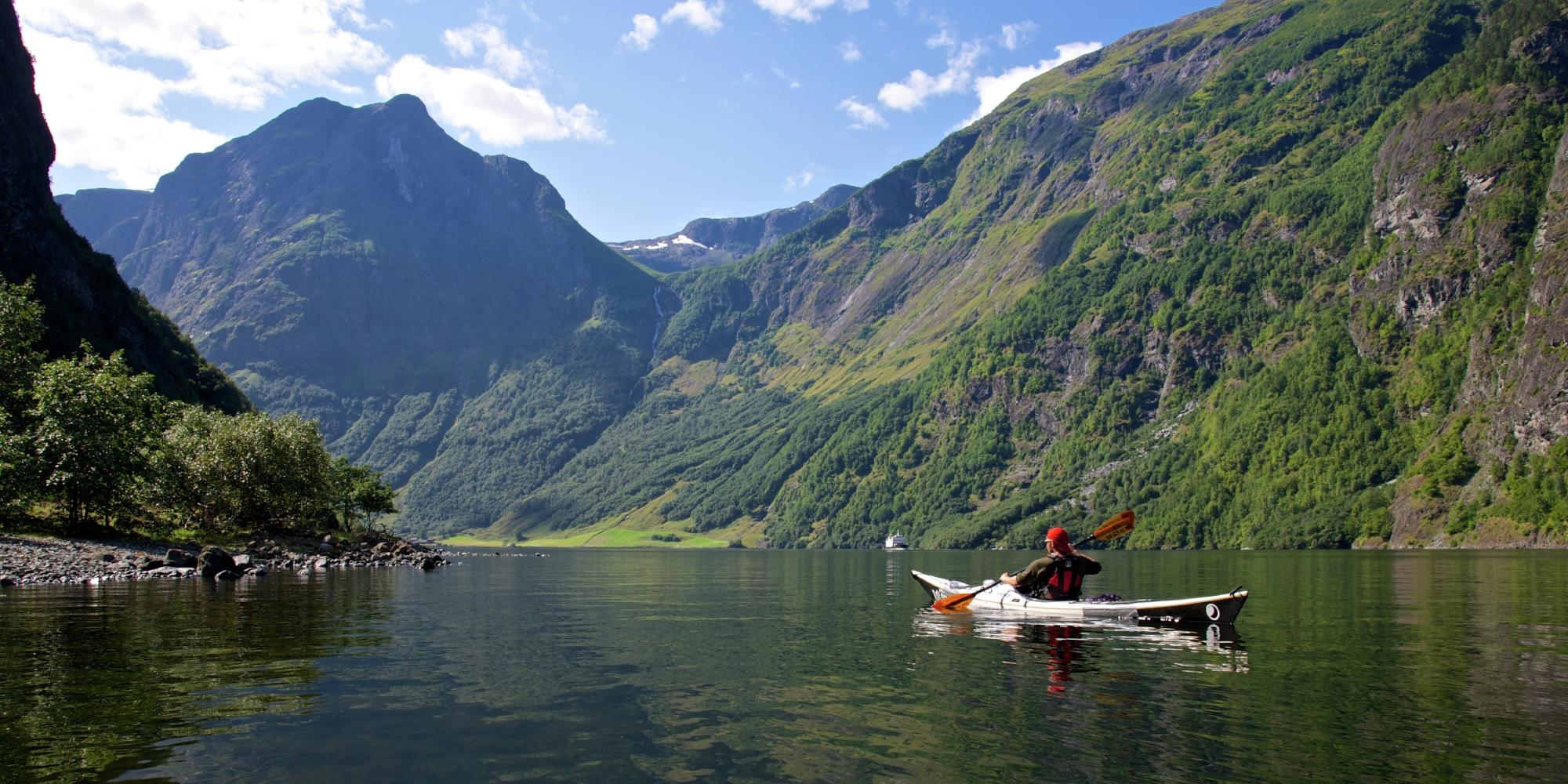
A person paddling in the Nærøyfjord in Fjord Norway
Los fiordos noruegos
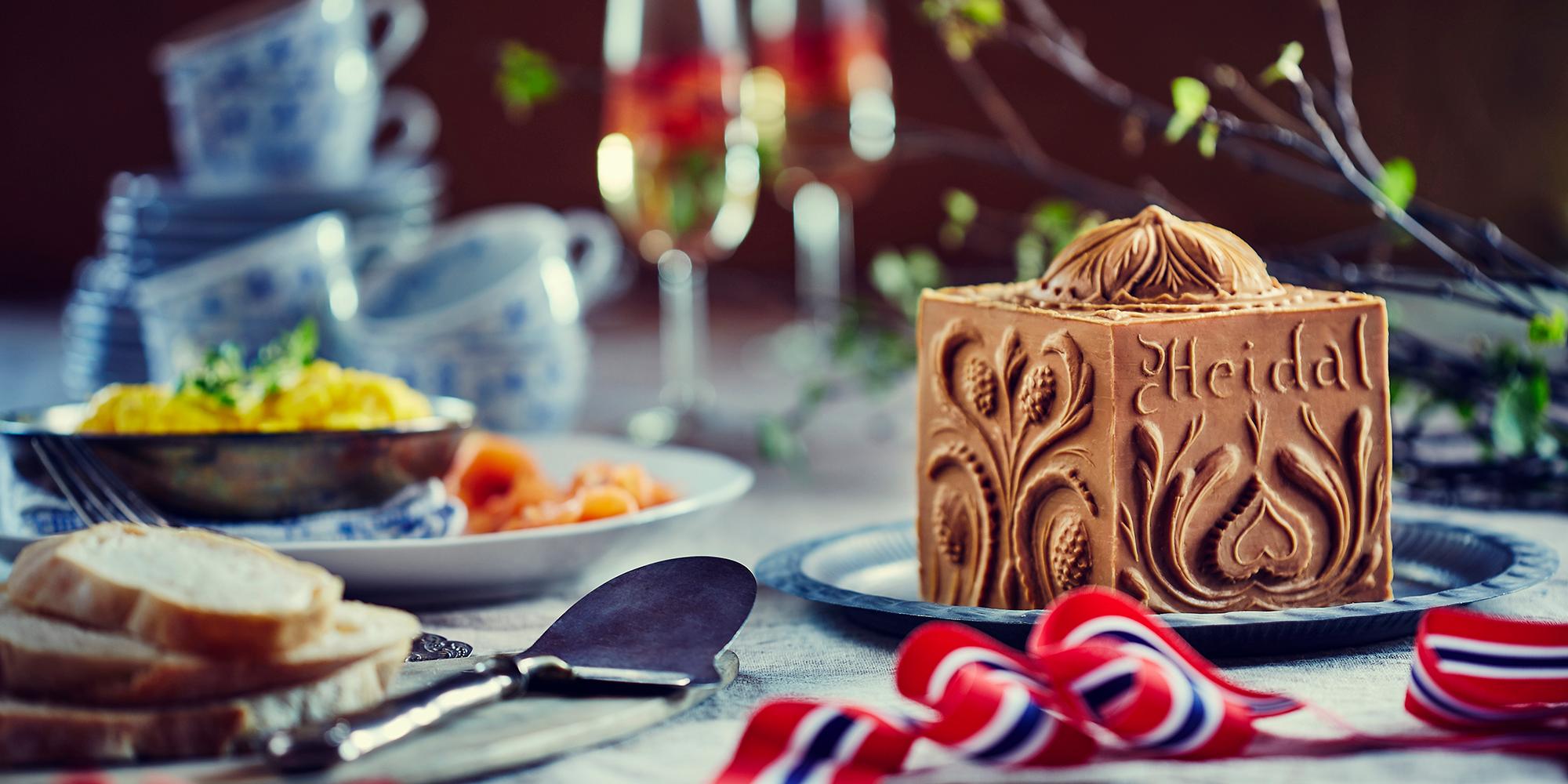
Brown cheese from the Norwegian creamery Heidal Ysteri in the Gudbrandsdalen valley, Eastern Norway
Brunost, el famoso queso marrón noruego
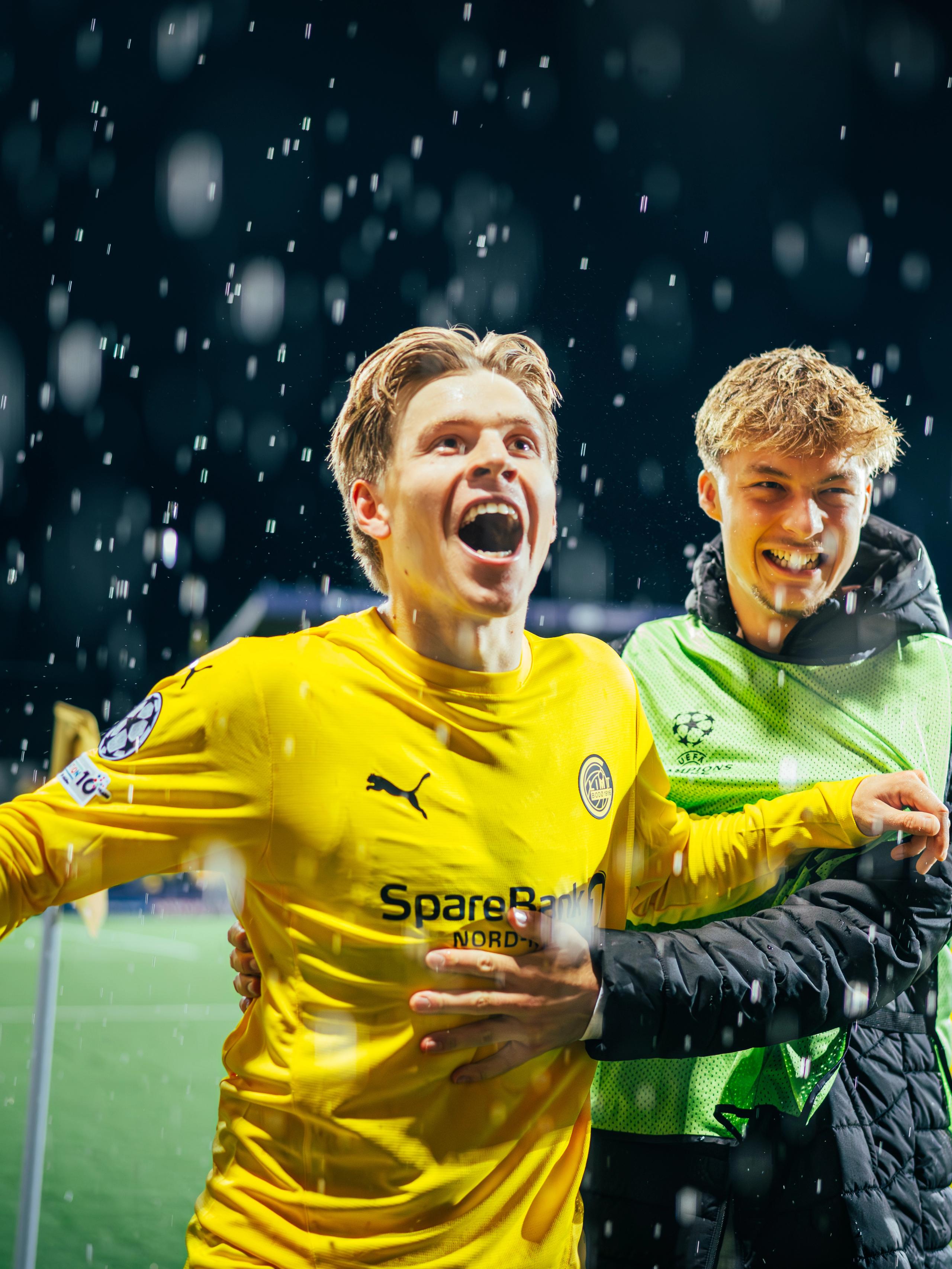
  • A football player celebrating at Aspmyra in Bodø.
    La fiebre del fútbol ártico: el Bodø/Glimt
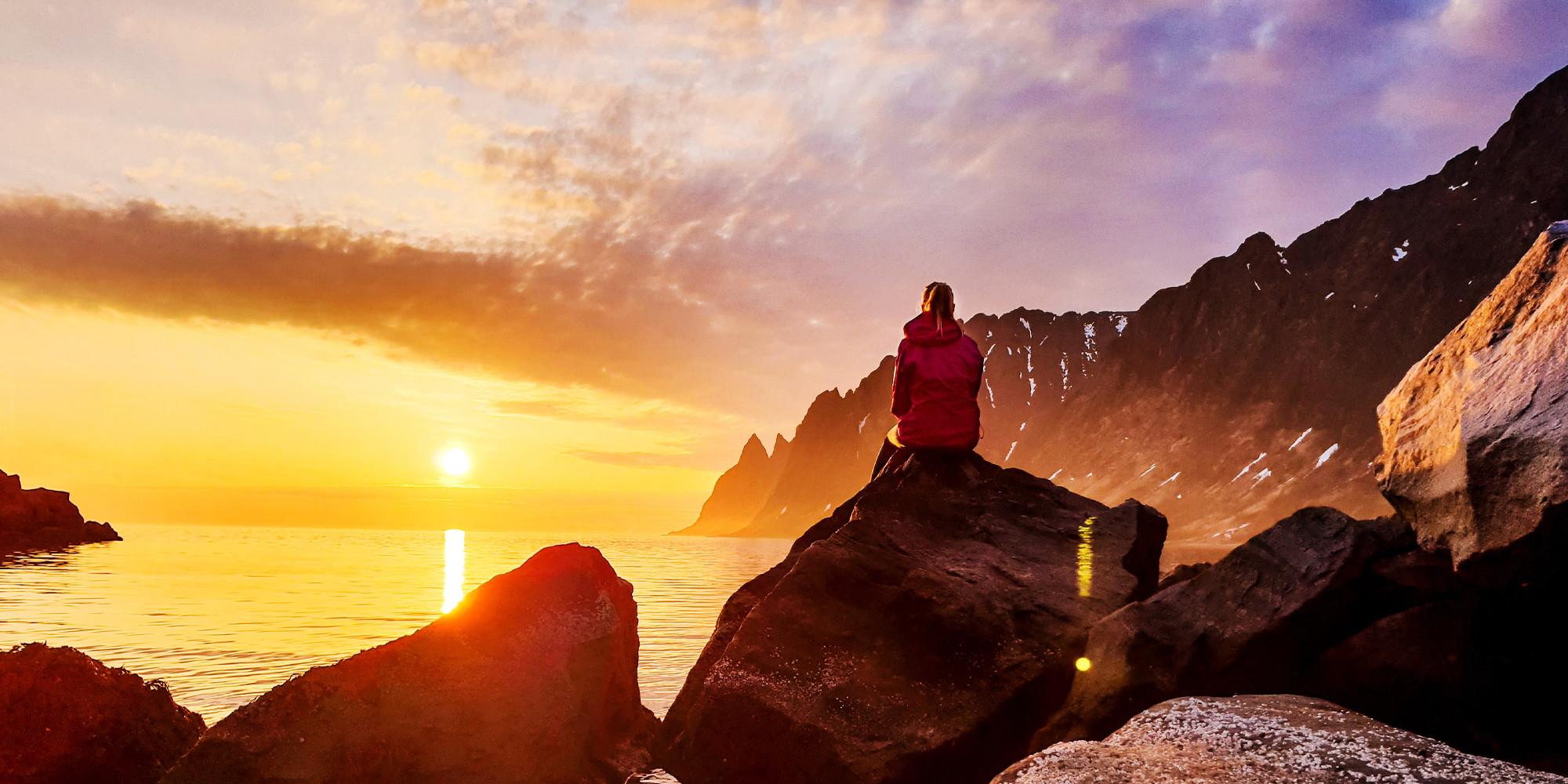
  • Una persona observa el sol de medianoche desde la isla de Senja, en el Norte de Noruega.
    El sol de medianoche
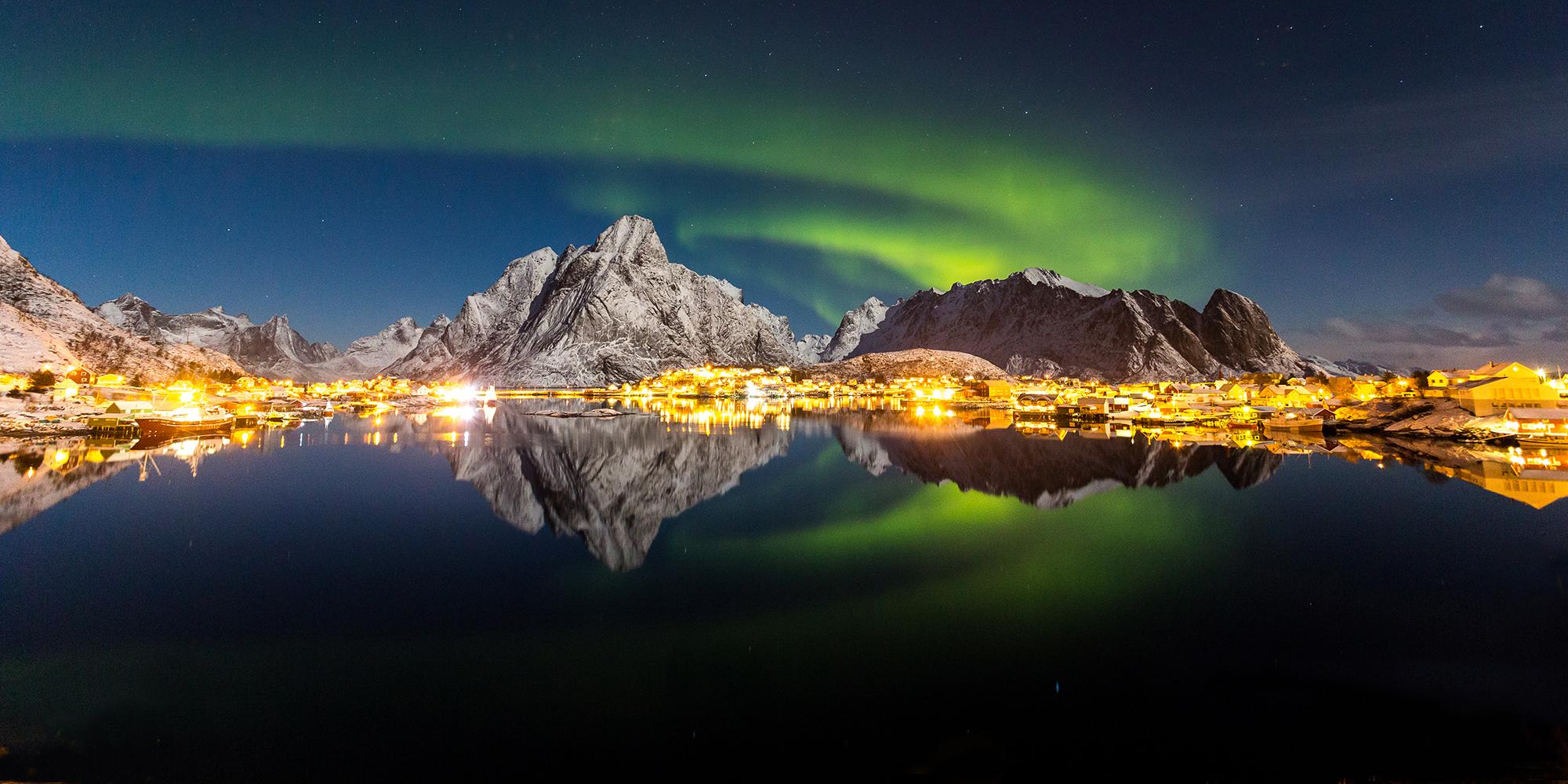
  • Vista de las auroras boreales sobre el pequeño pueblo de pescadores de Reine, en Lofoten, Norte de Noruega.
    La aurora boreal en Noruega